Sealless Pumps for a Safer and Greener World

Sealless magnetic drive pumps are often described as “leak-free,” but that phrase needs care. They eliminate the conventional shaft seal, a common leakage path, rather than making every connection or component incapable of leaking. A rotating magnetic coupling transfers torque through a containment shell. The liquid stays inside the pump casing, while the motor remains outside. In practice, that means fewer seal-related maintenance tasks—and a containment shell that deserves close attention.
Industry guidance helps put the design in context. API Standard 685 covers sealless centrifugal pumps for petroleum, petrochemical, and gas industry process service. The U.S. Department of Energy’s Improving Pumping System Performance sourcebook treats pump selection and system operation as important parts of industrial energy management. Neither source means a magnetic-drive pump is automatically the right choice. Liquid properties, temperature, flow, and dry-running risk still matter.
Pump reliability authority Heinz P. Bloch has written extensively about machinery reliability. A responsible paraphrase of his broader lesson is: “Reliability depends on sound design, correct operation, and disciplined maintenance.” That is not a verbatim quotation, so it should not be presented as one. The distinction matters. Magnetic drives can reduce exposure to seal leakage, but they introduce their own limits, including heat management and sensitivity to operating conditions. A pump selected for a clean, stable liquid may struggle with solids or poor lubrication. The details decide. This guide explains how the coupling works, where these pumps fit, and what engineers should check before choosing one.
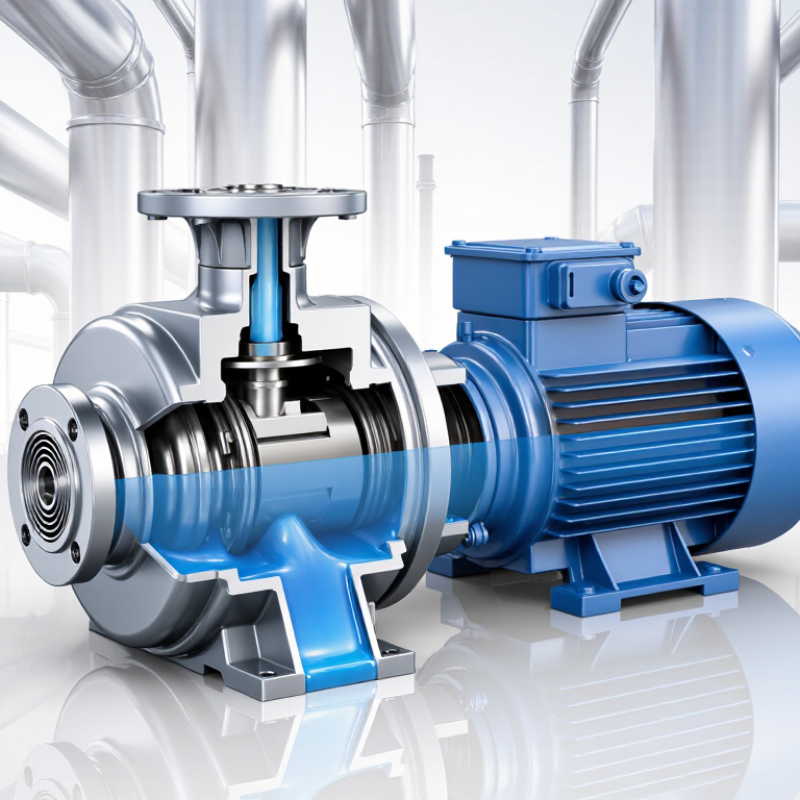
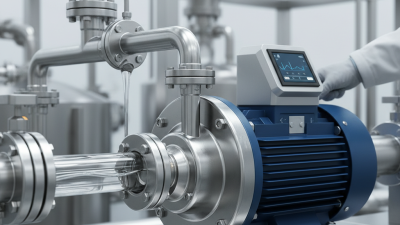
A sealless magnetic drive pump moves liquid without a rotating shaft seal where the shaft exits the casing. Its drive uses two magnets: an outer magnet connected to the motor and an inner magnet attached to the impeller. A stationary containment shell sits between them. No rotating shaft passes through this barrier.
The motor turns the outer magnet, and its magnetic field transfers torque through the shell to the inner magnet. The impeller then moves liquid through the pump. This layout removes a common leak path, but “sealless” does not mean that every joint is leakproof. Static gaskets and connections still need proper installation and inspection. Small details matter.
The shell is often made from a nonmagnetic material, and its shape affects strength, heat transfer, and efficiency. Pump materials and clearances must suit the liquid and operating conditions. Dry running can quickly damage internal parts, so confirm the pump stays primed and receives adequate flow. A magnetic coupling can also disengage if overloaded.
Tips: Check the liquid’s temperature, viscosity, and solids content against the pump’s operating limits. Listen for unusual noise, and investigate changes promptly. A small change can be easy to dismiss, but it may signal wear or poor flow.
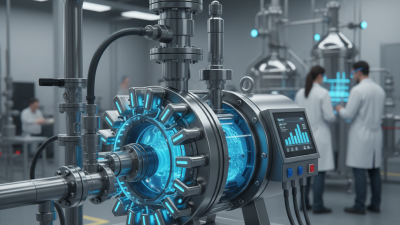
A sealless magnetic drive pump transfers motor torque to its impeller without a shaft passing through the pump casing. The motor turns an outer magnet assembly mounted behind a thin containment shell. Its rotating magnetic field passes through the shell and acts on an inner magnet assembly inside the pump.
The inner magnets are fixed to the impeller shaft, so they rotate in step with the outer magnets. As the impeller turns, its vanes draw liquid into the pump and push it toward the outlet. No shaft seal. That matters when leakage must be controlled, though the pump still needs correct installation and maintenance.
The containment shell separates the pumped liquid from the motor-side assembly. It is often made from a nonmagnetic material, allowing the field to cross while keeping the liquid contained. The gap and shell thickness affect coupling performance. If the impeller jams or the required torque exceeds the coupling’s capacity, the magnets may slip instead of turning together. That can generate heat and damage components if unnoticed. Magnetic coupling is reliable, but it is not magic; fluid properties, temperature, and operating conditions still deserve careful review.
How it works: The motor turns an outer magnet, which transmits torque through a containment shell to an inner magnet connected to the impeller. This arrangement drives the impeller without a rotating shaft seal. The chart shows the calculated shaft power for a constant transmitted torque of 10 N·m; values use P = T × 2π × rpm ÷ 60 and are illustrative, not pump specifications.
A sealless magnetic drive pump transfers torque without a shaft seal contacting the pumped liquid. The driver turns an outer magnet, which pulls an inner magnet and impeller through a stationary containment shell. No rubbing shaft seal. This arrangement can reduce leakage paths, but it does not make a pump immune to failure.
The impeller adds energy to the liquid; the casing guides flow toward the discharge nozzle. Internal bearings support the rotating assembly, often using the pumped liquid for lubrication and cooling. That detail matters: dry running or poor flow can quickly damage bearings. The containment shell separates the wet section from the motor-side magnets. Its material and thickness affect strength and magnetic efficiency, so engineers must match them to fluid, pressure, and temperature.
The U.S. Department of Energy’s Improving Pumping System Performance: A Sourcebook for Industry reports that pumping systems use nearly 20% of global electricity demand. That figure is system-wide, not specific to magnetic-drive pumps, but it shows why impeller selection and operating-point checks matter. A pump running far from its best efficiency point may waste energy and generate heat. In practice, the smallest overlooked detail can be a blocked circulation passage. Verify the actual fluid properties and operating conditions; catalog assumptions may not fit the installation.
| Component | What It Is | Primary Function | Key Operating Note |
|---|---|---|---|
| Electric motor | The external power source, usually connected to the pump through a coupling or mounting assembly. | Provides the rotational power that drives the pump. | The motor and pump must be correctly aligned and operated within their specified speed and load limits. |
| Outer magnet rotor | A rotating assembly of permanent magnets connected to the motor drive. | Creates a rotating magnetic field that transmits torque through the containment shell. | It drives the inner magnet rotor without a direct mechanical shaft connection through the pressure boundary. |
| Containment shell | A stationary barrier positioned between the outer and inner magnet rotors. | Separates the pumped liquid from the external drive while allowing magnetic torque transmission. | It is part of the pressure boundary. Its material and thickness affect pressure capability and magnetic losses. |
| Inner magnet rotor | A magnet assembly inside the containment shell, mechanically connected to the impeller. | Follows the rotating magnetic field and transfers torque to the impeller. | If the pump is overloaded or the impeller is obstructed, the magnetic coupling can decouple temporarily. |
| Impeller | A rotating hydraulic component with vanes that moves liquid through the pump. | Raises the liquid’s velocity and pressure as it rotates. | Its design determines much of the pump’s flow and head performance. |
| Pump casing | The pressure-containing housing around the impeller, with suction and discharge connections. | Directs liquid into and out of the impeller and converts part of its velocity into pressure. | Operating pressure and temperature limits depend on the casing design and materials. |
| Stationary shaft and internal bearings | Support components for the rotating inner assembly; bearing arrangements vary by pump design. | Maintain rotor position and support radial and axial loads. | Many designs use the pumped liquid to lubricate and cool internal bearings, so dry running can cause damage. |
| Internal circulation passages | Passages that route some pumped liquid through the bearing and magnetic-coupling area in many designs. | Help lubricate bearings and carry heat away from internal components. | Flow through these passages depends on the pump design and the properties of the pumped liquid. |
| Static gaskets or O-rings | Stationary sealing elements fitted at joints such as casing or containment-shell connections. | Seal fixed interfaces to help prevent leakage. | A sealless magnetic drive pump has no dynamic shaft seal, but it can still use static seals at stationary joints. |
A sealless magnetic-drive pump transfers motor torque through a sealed barrier rather than through a shaft opening. The motor turns an outer magnet assembly, which creates a rotating magnetic field across a thin containment shell. Inside the wetted chamber, that field turns an inner magnet connected to the impeller. The impeller then draws liquid into the pump and pushes it toward the outlet. No shaft penetrates. The shell stays fixed, while the magnets rotate on opposite sides of it.
This arrangement removes the conventional shaft seal, a common path for leakage in many pump designs. That matters when handling costly, corrosive, or hazardous liquids. It does not mean the pump can never leak. A damaged shell, worn bearings, or unsuitable materials can still cause trouble. In many models, the pumped liquid cools and lubricates internal bearings, so dry running or poor flow can quickly create heat. Not magic. Operators should check fluid compatibility, temperature limits, and circulation requirements before choosing a pump. Even a small design detail, such as a narrow internal passage, can affect cooling and reliability. “Sealless” is useful shorthand, but the actual barrier and maintenance needs deserve a closer look.
What Are Sealless Magnetic Drive Pumps?
A sealless magnetic drive pump transfers liquid without a rotating shaft passing through the casing. Instead, magnets turn the impeller through a sealed containment shell. This design removes a common leakage path. It can suit chemical processing, water treatment, and equipment handling corrosive or odorous liquids. “Sealless” does not mean maintenance-free; bearings, seals in the casing, and other wetted parts still need inspection.
Typical Applications and Important Operating Limits
These pumps are often chosen when leakage reduction matters, such as transferring acids, solvents, or clean process fluids. Their limits depend on the specific model and materials. Running dry can quickly overheat internal components. Thick liquids may overload the drive, while abrasive particles can wear bearings or obstruct narrow passages. High liquid temperatures may weaken magnets or exceed material ratings. Poor suction conditions can also cause cavitation, producing a gravel-like sound and damaging the impeller. Check the pump curve, fluid compatibility, temperature range, and minimum flow before installation. A first-pass selection can still miss a real operating condition; verify it against measured site data.
Tips: Keep the inlet flooded where required, and never assume brief dry running is harmless. Watch for unusual noise, rising temperature, or reduced flow. Small changes matter.