Sealless Pumps for a Safer and Greener World

Choosing the right pump can protect product quality, worker safety, and operating budgets. This is why sealless magnetic drive pumps are attracting global process industries. They transfer liquids without a traditional shaft seal, reducing one common leakage point around the pump casing. That detail matters in chemical, pharmaceutical, semiconductor, and water-treatment facilities.
Grand View Research estimates that the global industrial pumps market was worth approximately USD 67 billion in 2023. Its analysis also expects steady growth through 2030, supported by industrial modernization and stricter efficiency requirements. The U.S. Environmental Protection Agency identifies pumps as important sources of fugitive emissions in process equipment. These reports do not prove that every magnetic drive pump is superior. They show why containment deserves closer attention.
Pump specialist Dr. Lev Nelik captures the practical perspective: “The pump is the heart of the process.” A failed pump can stop an entire production line. A poorly selected magnet assembly can overheat, decouple, or lose efficiency. The best choice depends on fluid viscosity, temperature, solids content, pressure, materials, and duty cycle. Not just brand reputation.
This guide reviews seven sealless magnetic drive pumps for international buyers. It considers containment design, materials, efficiency, maintenance access, certifications, spare-part support, and total ownership cost. Some published specifications look impressive. Real-world performance may differ. Installation quality, operator training, and correct sizing still decide the outcome. That is where many comparisons become incomplete.
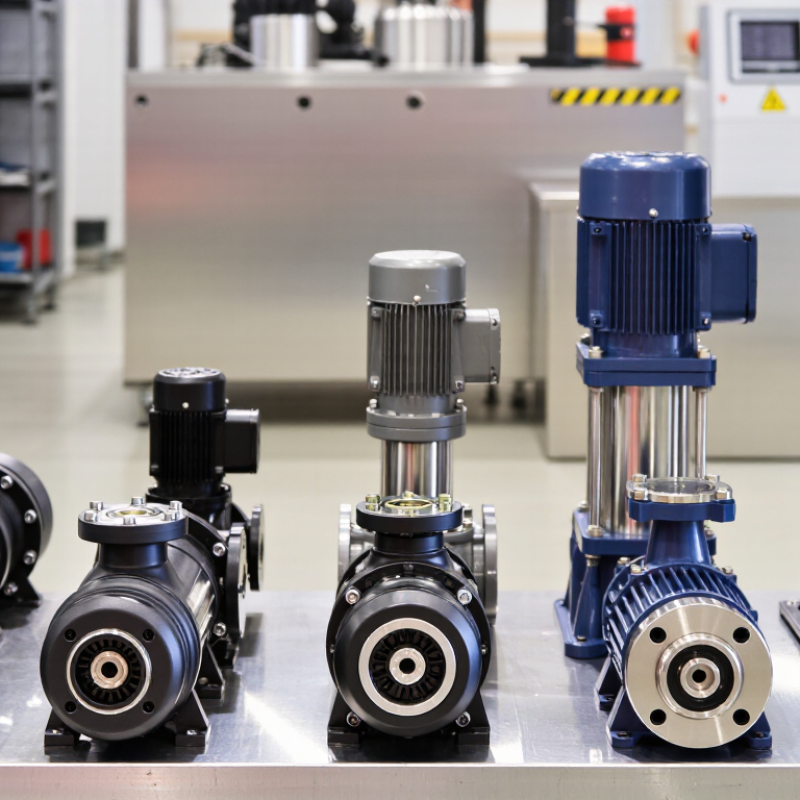
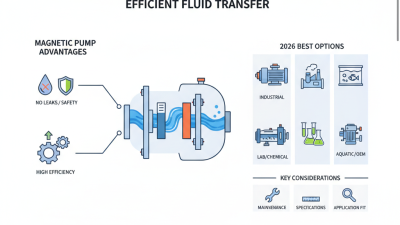
Sealless magnetic drive pumps use a magnetic coupling instead of a dynamic shaft seal. An outer magnet drives an inner magnet through a containment shell. The liquid remains isolated inside the pump chamber. This design removes a common leakage path around the shaft. It suits corrosive, toxic, volatile, or high-purity fluids when material compatibility is verified carefully.
During operation, the impeller transfers energy to the fluid while the coupling transfers torque without direct contact. Internal circulation often cools and lubricates the bearing system. Dry running can quickly damage these parts. So can closed discharge valves, excessive solids, or vapor formation. Flow, temperature, viscosity, and suction conditions deserve practical checks before selection. A clean, flooded suction line helps the pump start safely.
The seven best options for global buyers should be judged by duty, not appearance. Consider containment-shell material, bearing construction, motor efficiency, spare-part access, and local service capability. Metallic shells may reduce magnetic losses, while nonmetallic designs can improve chemical resistance. The choice is not always obvious. Field experience shows that oversized pumps may operate poorly at low flow. Buyers should request performance curves, test records, operating limits, and documented chemical compatibility. Independent verification remains valuable, especially when the fluid changes temperature or contains fine particles.
A practical comparison of common magnetic-drive pump configurations for chemical processing, water treatment, pharmaceuticals, electronics, and industrial fluid handling.
| Rank | Pump Configuration | Recommended Applications | Typical Flow Range | Typical Head Range | Common Wetted Materials | Typical Temperature Capability | Key Design Features | Main Advantages | Important Selection Considerations |
|---|---|---|---|---|---|---|---|---|---|
| 1 | Standard Horizontal Centrifugal Magnetic Drive Pump | General chemical transfer, solvents, acids, alkalis, water treatment, and process circulation. | Approximately 1–500 m³/h | Approximately 5–100 m | Polypropylene, PVDF, ETFE-lined metal, stainless steel, alloy steel, and ceramic components. | Commonly about −20°C to +120°C, depending on materials and construction. | External motor drives an outer magnet; the inner magnet rotates the impeller through a sealed containment shell. | No dynamic shaft seal, reduced leakage risk, simple maintenance, and broad industrial availability. | Must not run dry; minimum flow, vapor pressure, viscosity, and magnetic coupling limits must be checked. |
| 2 | High-Temperature Magnetic Drive Pump | Hot oils, heated chemicals, thermal-transfer liquids, high-temperature process fluids, and circulation systems. | Approximately 1–300 m³/h | Approximately 10–120 m | Stainless steel, nickel alloys, carbon-based or silicon-carbide bearing materials, and high-temperature polymers where suitable. | Commonly about +120°C to +350°C; the actual limit depends on the containment shell, bearings, magnets, and cooling arrangement. | Heat-resistant bearings, thermal expansion allowances, enlarged cooling zones, and temperature-compatible magnetic components. | Eliminates conventional mechanical-seal leakage in hot-fluid service and supports cleaner operation. | Requires careful evaluation of magnet temperature limits, fluid vaporization, thermal shock, insulation, and auxiliary cooling. |
| 3 | Fluoropolymer-Lined Chemical Magnetic Drive Pump | Strong acids, aggressive alkalis, oxidizing chemicals, corrosive transfer, and chemical dosing support systems. | Approximately 0.5–250 m³/h | Approximately 5–80 m | PTFE, PFA, ETFE, PVDF, ceramic, silicon carbide, and corrosion-resistant metal reinforcement. | Commonly about −20°C to +150°C, subject to chemical compatibility and lining design. | Corrosion-resistant internal lining isolates the process liquid from structural metal parts. | Strong chemical resistance, low contamination potential, and no mechanical seal exposed to the process fluid. | Lining permeability, temperature-pressure interaction, abrasive solids, and chemical concentration must be reviewed. |
| 4 | High-Purity Magnetic Drive Pump | Pharmaceutical water, semiconductor chemicals, laboratory systems, ultrapure liquids, and hygienic process circulation. | Approximately 0.1–100 m³/h | Approximately 3–70 m | Electropolished 316L stainless steel, high-purity fluoropolymers, sapphire, ceramic, and silicon carbide. | Commonly about +5°C to +120°C, with sterilization capability determined by the complete pump design. | Low-dead-volume passages, smooth internal surfaces, cleanable construction, and contamination-controlled materials. | Reduces leakage and product contamination risks while supporting clean transfer of sensitive fluids. | Confirm surface finish, extractables, clean-in-place or sterilization requirements, particle generation, and certification needs. |
| 5 | Self-Priming Magnetic Drive Pump | Drainage, tank-to-tank transfer, intermittent service, liquid recovery, and installations where the pump is above the liquid level. | Approximately 1–150 m³/h | Approximately 5–60 m | Polypropylene, PVDF, stainless steel, alloy steel, PTFE, and ceramic bearing materials. | Commonly about −20°C to +120°C, depending on construction and fluid properties. | Internal air-separation or recirculation chamber enables removal of air from the suction line during priming. | Can handle air-containing suction lines and reduces the need for a separate priming system. | Priming height, priming time, suction-line airtightness, fluid volatility, and dry-running tolerance are critical. |
| 6 | Vertical Magnetic Drive Pump | Sump service, plating tanks, chemical storage vessels, etching systems, and applications with limited floor space. | Approximately 0.5–200 m³/h | Approximately 5–100 m | Polypropylene, PVDF, PTFE-lined materials, stainless steel, ceramics, and silicon carbide. | Commonly about −20°C to +100°C; higher temperatures require specially designed components. | Vertical shaft arrangement places the pump casing or suction section inside or adjacent to the tank. | Saves floor space, supports tank-bottom suction, and can reduce suction-piping complexity. | Installation depth, shaft length, vibration control, tank mounting, bearing lubrication, and access for maintenance must be considered. |
| 7 | Multistage Magnetic Drive Pump | High-pressure chemical transfer, reverse-osmosis pretreatment, boiler-related auxiliary service, filtration systems, and long-distance circulation. | Approximately 0.2–80 m³/h | Approximately 50–250 m, depending on the number of stages and operating speed. | Stainless steel, alloy steel, fluoropolymers, ceramic, silicon carbide, and engineered carbon materials. | Commonly about −20°C to +120°C; high-temperature versions require specialized design. | Multiple impeller stages build higher differential pressure while the magnetic coupling maintains a sealed drive arrangement. | Provides higher pressure than many single-stage designs and avoids mechanical-seal emissions. | Requires accurate control of suction pressure, minimum flow, axial thrust, gas content, viscosity, and magnetic torque capacity. |
Technical note: The performance ranges shown are indicative industry ranges for generic pump configurations, not guaranteed operating limits. Final selection should be based on required flow and head, fluid temperature, viscosity, specific gravity, vapor pressure, solids or gas content, corrosion compatibility, motor frequency, available voltage, and applicable safety or hygiene standards.
Selecting a magnetic drive pump for global service requires more than comparing flow rates. Begin with the actual duty point, including flow, head, liquid temperature, viscosity, and specific gravity. Check the pump curve near the operating point, not only at its maximum rating. A pump running far from its best efficiency point may vibrate, overheat, or consume unnecessary power.
Material compatibility deserves careful review. Confirm wetted parts against the process liquid, especially when chlorides, solvents, or abrasive particles are present. Examine the containment shell, magnet assembly, bearings, and cooling path. For international projects, verify motor voltage, frequency, enclosure rating, connection standards, and local certification needs. Spare bearing availability also matters when service teams work far from the installation site. Documentation should include performance data, installation limits, maintenance instructions, and test records. Gaps here can create delays.
Tips: Ask for a dry-run protection option when operators may face unstable suction conditions. Measure the suction line carefully. Poor NPSH conditions can damage internal components, even without visible leakage. Consider ambient temperature and altitude during selection. These factors are often overlooked. A cautious review may reject a cheaper pump because its materials or service network seem uncertain. That decision is not always perfect, but it is usually safer than trusting a catalog headline alone.
Sealless magnetic drive pumps remove the shaft seal, reducing leakage around the drive shaft. The best choice depends on fluid, temperature, pressure, and installation space. For many buyers, a compact centrifugal model suits clean transfer duties. A fluoropolymer-lined model handles corrosive chemicals more confidently. Metallic construction offers stronger resistance to impact and heat. Material compatibility still needs verification.
A high-temperature option may support heated oils or process liquids, but cooling requirements can increase. A high-pressure design provides stronger hydraulic performance, yet it often demands better piping and motor selection.
Self-priming versions simplify drainage and intermittent suction duties, although they may lose efficiency during difficult starts. Vertical immersion pumps fit deep tanks and limited floor areas. They can be practical, but maintenance access is sometimes overlooked.
I compare seven points before approval: flow stability, head capacity, dry-run tolerance, solids handling, motor efficiency, spare-part access, and total operating cost. Shortlist two sizes. This exposes hidden trade-offs. In real installations, a pump rated for the fluid may still fail when vapor forms near the impeller. That detail is easy to miss. Buyers should request pump curves at actual liquid viscosity, not water only. Ask for material certificates, temperature limits, and a clear replacement schedule. A perfect option rarely exists. The safest selection usually balances chemical resistance, hydraulic margin, and serviceability rather than chasing the lowest purchase price.
7 Best Sealless Magnetic Drive Pumps for Global Buyers
Selecting a sealless magnetic drive pump starts with the fluid, not the catalog ranking. Corrosive acids may require fluoropolymer-lined wetted parts, while solvents demand carefully verified material compatibility. Clean water allows broader choices, but abrasive slurries need hardened internal components and slower operating speeds. A pump that handles water beautifully may fail quickly with crystals, fibers, or suspended solids.
Flow rate and pressure must match the real process. Check the required flow, discharge head, viscosity, temperature, and vapor pressure together. Oversizing can cause unstable operation and unnecessary energy use. Undersizing may produce weak delivery and overheating. From field evaluations, minimum-flow protection is often overlooked. That mistake can damage internal bearings.
Tips: Confirm chemical compatibility using concentration and temperature data. Ask for pump curves at your actual fluid viscosity. Review dry-run protection, containment, motor efficiency, and local service support. For high-temperature duty, inspect cooling paths and bearing limits. Keep a small operating margin, but do not treat a large margin as safer automatically.
Operating conditions separate a suitable pump from a merely attractive one. Outdoor systems may face dust, freezing weather, or unstable power. Hazardous process areas require appropriate equipment certification and installation practices. Sealless designs reduce leakage concerns, yet they are not maintenance-free. Impeller balance, filtration, alignment, and regular condition checks still matter. I have seen technically correct selections fail because operators ignored startup procedures. That part deserves more attention.
7 Best Sealless Magnetic Drive Pumps for Global Buyers
Installation, Maintenance, Safety, and International Purchasing Factors
Sealless magnetic drive pumps suit corrosive, toxic, or high-value fluids because they remove the external shaft seal. During installation, keep the pump level and align the pipework without forcing the casing. A small pipe strain can create vibration and shorten bearing life. Confirm the required flow, head, fluid temperature, viscosity, and solids content. Never run the pump dry. It takes only a short test to cause serious internal damage.
Maintenance starts with clean operating conditions. Inspect the suction strainer, motor temperature, vibration, and pressure readings at planned intervals. Ceramic or carbon components may tolerate many chemicals, but they are not universal. Flush the pump before changing fluids, especially when crystallization is possible. My practical concern is simple: maintenance teams often trust a quiet pump too much. Low noise does not prove healthy operation.
Safety controls should include spill containment, isolation valves, grounding, emergency shutdown access, and suitable electrical protection. Verify the containment shell material and pressure rating against the process data. For international purchasing, check voltage, frequency, motor efficiency rules, certificates, customs codes, warranty terms, and local service capability. Request drawings, test records, spare-part lists, and clear installation instructions before payment. Delivery may look attractive, yet unavailable bearings can stop production for weeks. Temperature limits and material compatibility should be confirmed in writing, not assumed from a short product description.