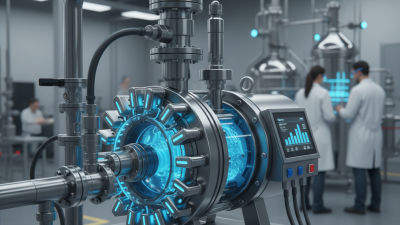
Sealless Pumps for a Safer and Greener World

Choosing the right pressure pump begins with the job it must perform, not a headline flow rate. A household system supplying a shower and kitchen tap has different demands from a workshop, irrigation line, or production facility. Pressure, flow, lift, water quality, and daily operating hours all affect the choice. Fit comes first.
This guide examines ten pressure pumps for home and industrial use, comparing practical features rather than treating every model as interchangeable. It considers rated flow and pressure, motor power, construction materials, noise, maintenance access, and built-in protections. Manufacturer specifications and installation guidance matter, since performance can change with pipe diameter, elevation, and system layout. A pump that looks powerful on paper may disappoint when paired with undersized plumbing.
Some models suit occasional household use; others are designed for longer duty cycles or demanding applications. We also note trade-offs, including energy use, installation complexity, and replacement-part availability. Those details can be easy to overlook. No single pump is best for every property, and product listings do not always explain real-world limitations clearly. Use this comparison as a starting point, then confirm the required pressure and flow with the manufacturer or a qualified installer. A careful match can reduce noise, wear, and frustrating pressure drops—but choosing still involves judgment.
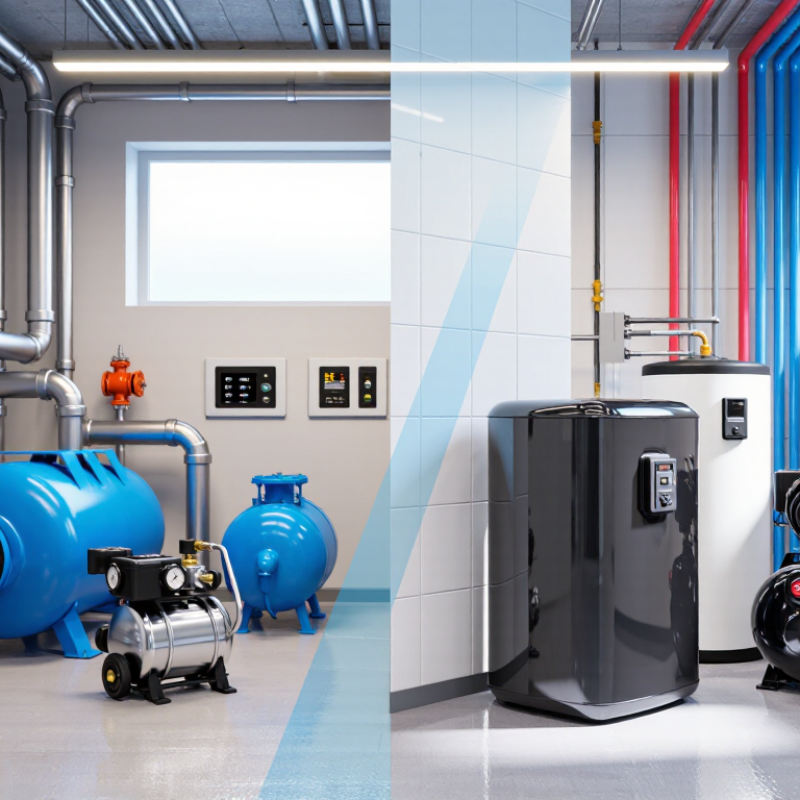
A pressure pump adds energy to moving water or another compatible fluid, helping it overcome elevation, pipe friction, and equipment resistance. In a common centrifugal design, a rotating impeller accelerates fluid, and the casing converts much of that motion into pressure. Positive-displacement pumps instead trap and push measured volumes. The distinction matters: a pump suited to steady household boosting may not handle thick fluid or changing industrial demand well.
At home, booster pumps can improve weak shower flow, supply upper floors, or move water from a storage tank. A pressure switch may start the pump when pressure falls; a pressure tank reduces frequent cycling. The small details count. Narrow pipes, clogged filters, and closed valves can undermine performance, even with a powerful pump. I have seen pump selection treated as a horsepower contest. That is a poor shortcut.
Industry uses pumps for cooling loops, irrigation, washdown, and process-water circulation. The U.S. Department of Energy’s Improving Pumping System Performance: A Sourcebook for Industry reports that pumping systems account for nearly 20% of global electrical energy demand, and 25–50% of energy use in some industrial plant operations. Those figures explain why matching pump capacity to actual system demand matters. Oversizing can waste energy and cause excessive cycling; undersizing can leave distant outlets starved. Measure flow and pressure under real operating conditions. A gauge reading at one point is useful, but it does not tell the whole story.
Compare the required flow rate and pressure at the same operating point. A pump’s maximum-pressure figure alone can mislead. Check its performance curve against pipe length, elevation changes, and restrictions such as filters. Small details matter. For a household supply, note whether pressure stays steady when several taps run. In industrial service, verify the expected duty cycle and whether the pump can handle the fluid’s temperature and chemical properties.
Efficiency deserves attention, too. The U.S. Department of Energy’s Improving Pumping System Performance sourcebook reports that pumping systems account for nearly 20% of the world’s electrical energy demand. It also notes that pumps can use 25–50% of energy in some industrial operations. Compare motor input, efficiency, and control options, including variable-speed operation where demand changes. Check suction conditions and maintenance access; a hard-to-reach filter can turn routine servicing into a shutdown. Match wetted materials to the fluid, and confirm any applicable requirements for drinking-water use. I would not choose from a datasheet alone: real pipework, wear, and changing demand can alter performance.
Pressure pumps serve very different needs, from steady showers to process lines. For homes, a booster pump can improve flow when municipal pressure is weak. Shallow-well and deep-well jet pumps lift groundwater from different depths. A submersible pump works underwater, while a multistage centrifugal pump can supply strong, steady pressure for irrigation or building systems.
Industrial settings may call for piston, diaphragm, plunger, regenerative turbine, or gear pumps. Piston and plunger designs can produce high pressure for cleaning and testing tasks. Diaphragm pumps handle some fluids that should not contact moving parts directly. Regenerative turbine pumps suit modest flows with higher pressure, while gear pumps move viscous liquids. No type fits every site. Pipe length, fluid properties, required flow, and operating hours all matter; overlooking one can mean noisy operation or early wear.
Tips: Check the pump’s flow and pressure curves, not just its maximum rating. Match the materials to the fluid, and include filter and maintenance access in the layout. Leave room for adjustment. Real systems rarely behave exactly like a catalog example.
Typical operating pressure by pump type
Illustrative representative operating pressures in bar. Actual pressure depends on pump design, system conditions, and application requirements.
Choosing a pressure pump starts with two measurements: required flow and pressure at the point of use. Flow is usually listed in gallons or liters per minute. Estimate how many taps, showers, machines, or spray lines may run together. A pump sized for one outlet can disappoint when several operate at once. It happens.
Pressure needs include elevation and pipe losses, not just the reading at the source. Water loses pressure as it travels through long, narrow pipes, elbows, filters, and valves. For a home, check the pressure while fixtures are running. For industrial equipment, use the manufacturer’s operating range and consider peak demand. Compare these needs with the pump’s performance curve; its maximum pressure rarely occurs at its maximum flow.
Tips: Write down the expected flow and pressure at the farthest outlet. Include the height water must rise and any filters in the line. Check suction conditions, pipe diameter, and power supply before selecting a model. A pressure tank may reduce frequent starting in some systems, but it does not fix an undersized pump. I’d recheck the numbers after installation, too. Real systems can behave differently from a neat calculation.
A pressure pump performs best when its installation matches the system, not just the advertised flow rate. Check the pump’s pressure and flow requirements against the pipes, fixtures, and expected demand. Place it on a firm, level base; a loose mounting can turn a faint vibration into a persistent rattle. Keep the inlet line short and properly sized, and fit isolation valves where maintenance access is needed. For industrial systems, have a qualified technician verify electrical supply, grounding, and pressure controls before startup. Small shortcuts here can become expensive later.
Before operating the pump, follow its manual for priming and startup. Never run a pump dry unless it is specifically designed for that condition. Watch for leaks, unusual noise, and pressure that surges instead of settling. Turn it off. Let pressure fall. Then isolate power before opening a housing or checking a connection. Stored pressure can remain in the line after shutdown, an easy detail to overlook when work feels routine.
Maintenance should follow the operating environment and manufacturer’s schedule. Inspect seals, filters, hoses, and electrical connections; clear debris before it restricts flow. Keep a simple log of pressure readings and repairs. A gradual change may reveal wear earlier than a sudden failure. It is tempting to tighten every fitting when a drip appears, but over-tightening can damage threads or seals. Pause, identify the cause, and replace worn parts with compatible components.