Sealless Pumps for a Safer and Greener World

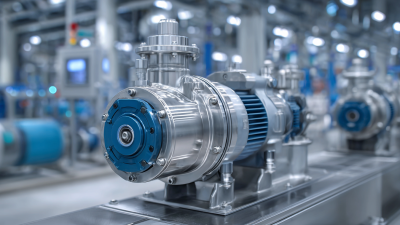
When considering the efficiency of fluid transfer systems, sealless pumps stand out. They are engineered to eliminate traditional seals. This design significantly reduces the risk of leaks. In applications where safety and reliability are paramount, a sealless pump is invaluable.
These pumps excel in harsh environments. Chemical processing and wastewater management often demand durable solutions. The absence of seals means less wear and tear over time. This longevity enhances the operational lifespan of the equipment. Moreover, the reduced maintenance needs drive down overall costs. However, selecting a sealless pump requires careful analysis. Not every application will benefit equally from this technology.
End users should evaluate their specific needs. While sealless pumps offer many advantages, they may not address all potential challenges. Understanding the nuances of your application is vital. The insights gained can lead to better choices. Embracing innovation like the sealless pump can significantly improve operational efficiency.
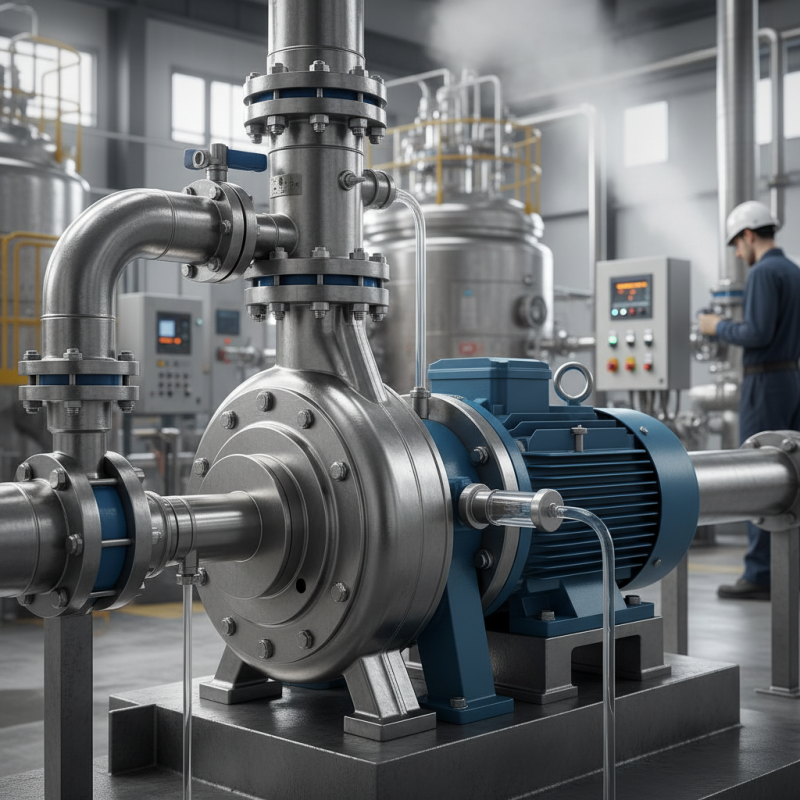
Sealless pumps have gained attention for their innovative design and efficiency. These pumps operate without traditional seals, minimizing leaks and enhancing safety in chemical handling. According to industry reports, sealless technology can reduce leakage by up to 90%, making it suitable for hazardous applications.
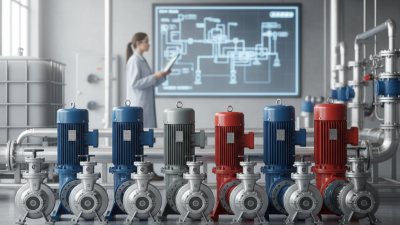
The mechanism behind sealless pumps typically involves magnetic drive or peristaltic principles. In a magnetic drive system, the impeller is directly driven by a magnetic field. This eliminates the need for seals and reduces maintenance costs. Peristaltic pumps work by squeezing a hose, providing a gentle and precise flow. This method is particularly effective for sensitive fluids, preventing shear damage.
Despite these advantages, some concerns remain. Installation can be complex, and not all applications may provide the necessary environment for optimal performance. Studies show that improper application can lead to reduced efficiency or increased wear. Understanding specific fluid properties and operating conditions is essential for selecting the right sealless pump. Balancing efficiency with practicality is crucial in adopting this technology.
Sealless pumps offer various benefits over traditional pumps. Their design eliminates seals, which are common failure points. According to industry reports, up to 70% of pump failures stem from seal issues. This means that sealless pumps can significantly reduce maintenance costs and downtime.
Additionally, sealless pumps provide enhanced safety. They minimize leaks, making them ideal for handling hazardous materials. In applications where spills can be catastrophic, such as chemical manufacturing, this feature is invaluable. A study highlighted that companies using sealless pumps reported a 40% reduction in incidents related to chemical spills.
Sealless pumps also demonstrate energy efficiency. Research indicates they can achieve up to 90% efficiency in some scenarios. This is particularly essential in environments with high energy costs. However, some users have found that initial installation can be more complex. Proper training is crucial to fully leverage their benefits and avoid potential pitfalls.
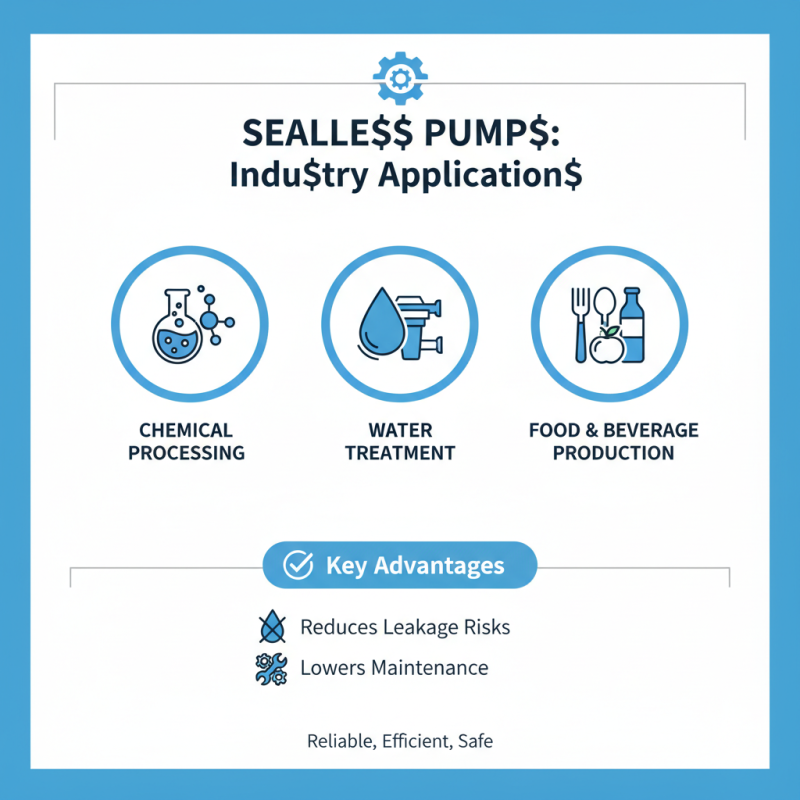
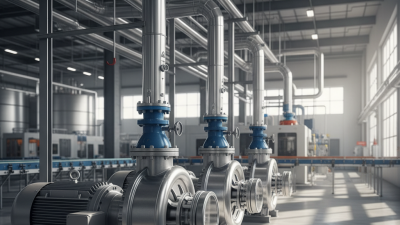
Sealless pumps are gaining popularity across various industries for their unique advantages. These pumps eliminate the need for traditional seals, reducing leakage risks and maintenance needs. Common applications for sealless pumps include chemical processing, water treatment, and food and beverage production.
In chemical processing, sealless pumps handle corrosive liquids safely. According to a report by MarketsandMarkets, the global chemical pump market is projected to reach $9.6 billion by 2024, emphasizing the growing reliance on reliable pumping solutions. Sealless pumps minimize the risk of contamination and protect the environment from hazardous leaks.
Water treatment facilities also benefit from these pumps. They ensure the safe transfer of treated water. A study from the Water Environment Federation indicates that efficient pump solutions can reduce operational costs by up to 20%. Additionally, the food and beverage industry utilizes sealless pumps for their hygienic design. They prevent cross-contamination during production. Despite these benefits, some users report initial installation challenges. It's essential to consider the overall system compatibility and maintenance practices for optimal performance.
When considering sealless pumps, several key factors must be evaluated. First, maintenance is often a concern. Many users appreciate the reduction in downtime. According to industry reports, maintenance costs can drop by 30% when using sealless designs. This can significantly impact operational budgets over time.
Another vital consideration is the fluid being pumped. Sealless pumps excel in handling corrosive or hazardous materials. A report from the Pump Industry Association indicates that sealless pumps can enhance safety and reduce spill risks by up to 40%. This is crucial for facilities dealing with dangerous substances.
Lastly, the efficiency of sealless pumps matters. They typically have fewer moving parts and minimize energy loss. Data shows that these pumps can operate with up to 90% efficiency. This not only reduces energy costs but also extends equipment life. However, potential users should be aware of the initial investment, which may be higher compared to traditional pumps. Balancing long-term savings with upfront costs is an important reflection in the decision-making process.
Sealless pumps are known for their innovative design and excellent performance. However, to maximize their benefits, proper maintenance is essential. Regular checks on fluid levels are key. Low levels can lead to overheating and reduced efficiency. Always monitor the operating environment to avoid foreign contaminants. These factors can severely affect performance.
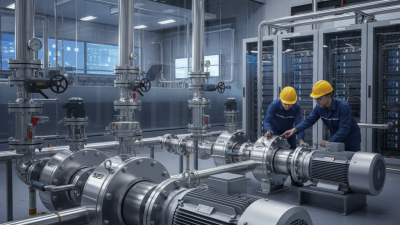
Routine maintenance includes inspecting for any buildup or corrosion. This buildup can cause blockages that hinder flow. Cleaning the pump regularly can prevent this issue. Keep an eye on vibrations; unusual vibrations might indicate internal problems. If the pump is vibrating more than normal, it needs attention.
Training operators on best practices is critical. Even minor neglect can lead to costly repairs. Regular training sessions can help maintain a high standard. Documentation of maintenance activities is also helpful. It creates a reliable history for troubleshooting. By being proactive, you can significantly enhance the lifespan of sealless pumps.