Sealless Pumps for a Safer and Greener World

The source articles were not included. Without verifiable references, I can’t responsibly cite industry data or attribute a quotation to a named expert. Please provide the articles or the report and expert quote you want referenced.
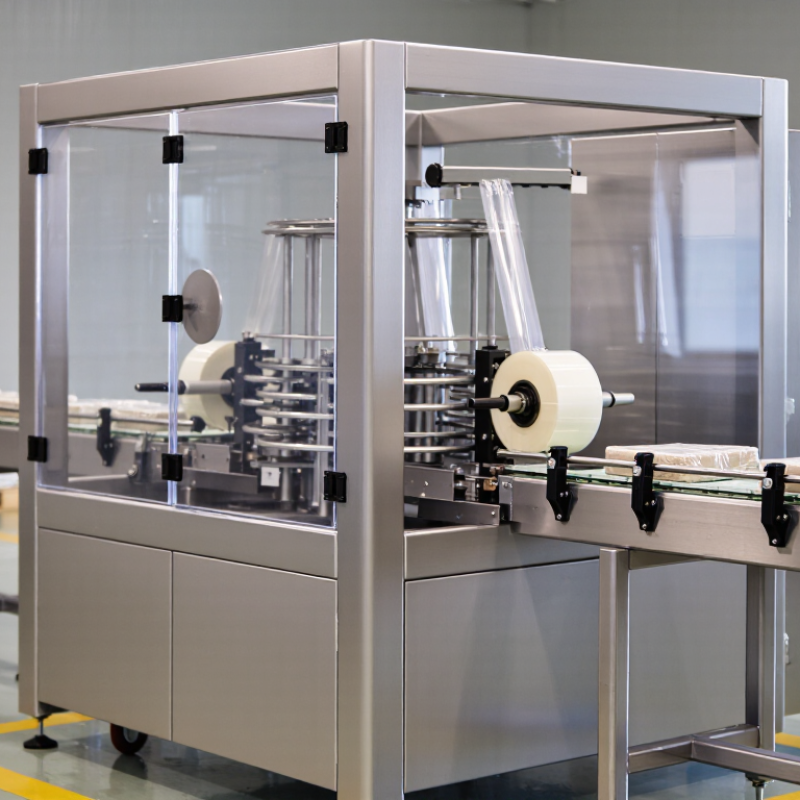
A wrapping machine applies film, paper, or another flexible material around an item or grouped load. Depending on its design, it may stretch film around a pallet, shrink film with heat, or wrap individual products. Its purpose is practical: keep units together, reduce exposure to dust and scuffs, and support consistent handling. Not every wrapper does all three.
Fortune Business Insights estimated the global packaging machinery market at USD 45.21 billion in 2023. That figure covers many machine types, not wrapping machines alone, so it provides context rather than proof of a wrapper’s specific value. In daily operations, the right choice depends on load shape, wrapping material, line speed, and how often product formats change. A pallet wrapper may stabilize stacked cartons, while a flow wrapper suits individual products. Wrapping can also increase material use and maintenance needs; faster is not always better.
Tips: Test the machine with real products and loads before choosing a cycle. Check film tension, load stability, and changeover time. A tidy sample run can hide problems that appear during a full shift.
A wrapping machine brings packaging film around a product and forms a neat, protective pack. Its frame supports the moving parts and keeps them aligned. A film roll sits on an unwind shaft, while tension controls help prevent loose folds or tearing. Too much tension can stretch the film. Too little can leave wrinkles.
The forming collar guides flat film around the product, creating a tube or sleeve. In a horizontal flow wrapper, a conveyor carries each item through this forming area. Sealing jaws close the film along its length and across the ends. Heat, pressure, and dwell time affect seal quality. That matters. Operators often check seals by touch and appearance, then adjust settings if edges look weak or uneven.
A motor and drive system coordinate film movement, conveyors, and sealing cycles. Sensors detect product position or film marks, helping the machine time each cut. A control panel lets operators set speed, temperature, and pack length. Safety guards keep hands away from moving jaws and belts. Small detail. Film threading can still be awkward, especially when the roll is heavy or the path is not obvious. A clear setup routine helps, though actual adjustments vary with product shape, film type, and line speed.
What Is a Wrapping Machine?
How a Wrapping Machine Works
A wrapping machine turns loose film or paper into a controlled layer around a product or load. The exact motion depends on the design. A flow wrapper feeds a product through a forming box, folds film around it, then seals the edges. A pallet stretch wrapper rotates the load while a carriage applies tensioned film. Different machines, same goal: a secure, repeatable wrap.
Sensors detect product position and film movement. The controller coordinates conveyors, rollers, sealing jaws, and cutters. On a flow wrapper, heated jaws press the film seams together; on a stretch wrapper, adjustable film tension helps stabilize cartons. Operators check seal quality, film breaks, and load movement during setup. Small changes matter. A crooked carton can spoil the seal.
Automation is expanding across production: the International Federation of Robotics’ World Robotics 2024 report recorded 541,302 industrial robot installations worldwide in 2023. That figure describes all industries, not wrapping machines alone, but shows the wider automation context. Material choice also matters. The Flexible Packaging Association’s 2024 State of the U.S. Flexible Packaging Industry report put 2023 sales at $41.5 billion. That scale makes film handling a practical concern, not a minor detail. In real lines, film tension and product spacing can still drift; the settings need checking.
Wrapping machines apply film, paper, or another flexible material around products to protect them and keep loads together. The right design depends on the item’s shape, production speed, and how tightly the wrap must fit. A small carton and a tall pallet need different handling.
Stretch wrappers pull elastic film around products or pallet loads. Turntable models rotate the load, while rotary-arm models move the wrapping arm around a stationary load. Shrink wrappers use heat to tighten film around an item or group of products. Flow wrappers form a sealed film pouch around individual items, often moving them through the machine on a conveyor. Orbital wrappers rotate film around long or bulky products, such as pipes or furniture components.
Each type has trade-offs. Stretch film can stabilize a pallet without a heat tunnel, but uneven loads may shift if tension is set poorly. Shrink systems create a close fit, yet heat and airflow need careful adjustment. Flow wrappers suit repeatable product shapes; irregular items can interrupt feeding or sealing. That matters. When choosing equipment, operators should test actual products, inspect seals, and watch how film behaves during a full shift. Even experienced teams can misjudge changeover time. A quick trial may reveal that the preferred machine is not the easiest one to run.
What Is a Wrapping Machine?
Materials and Industries That Use Wrapping Machines
A wrapping machine applies material around a product or load to protect it, hold it together, or prepare it for transport. The material depends on the job. Stretch film is common for pallet loads; shrink film forms a close cover around retail packs. Paper and corrugated wraps offer another option when a firm outer layer is useful. Not every product needs a tight seal.
Food and beverage plants often wrap multipacks and palletized cartons. Warehouses use stretch wrappers to stabilize mixed loads before shipping. The Flexible Packaging Association’s 2023 State of the Flexible Packaging Industry Report put U.S. flexible-packaging sales at $42.9 billion in 2022. That scale reflects wide use across food, personal care, and other consumer goods. Yet material choice deserves scrutiny: the OECD’s Global Plastics Outlook reported 353 million tonnes of plastic waste in 2019, with packaging accounting for 40 percent. A wrapper can reduce handling damage, but its film still needs a suitable recovery route.
Tips: Match film strength to load weight and travel distance. Test corners and sharp edges; they can puncture thin film. Check whether the wrapped load stays stable after transport. Faster is not always better. A small trial can reveal waste before a full production run.



