Sealless Pumps for a Safer and Greener World

In the ever-evolving world of water management, understanding the nuances of vertical centrifugal pumps is crucial. Industry expert John Smith, a seasoned engineer with over 20 years of experience, has noted, “Choosing the right pump technology can significantly impact operational efficiency.” Buyers must be well-informed when selecting these essential tools, as the right choices will determine long-term performance.
Vertical centrifugal pumps play a key role in various applications, from agriculture to industrial processes. These pumps excel in moving water and fluids vertically, making them indispensable in systems with height challenges. However, selecting the best model can be daunting. With numerous options available, it’s easy to feel overwhelmed. Users often encounter issues related to energy consumption, maintenance, and alignment. Each decision can lead to costly mistakes.
Understanding the characteristics and applications of vertical centrifugal pumps is fundamental. This knowledge empowers buyers to make educated decisions. As the market evolves, it is essential to stay updated on technologies and innovations. Investing time in research and consultation can pay off significantly. In a sector where reliability is key, making informed choices leads to enhanced operational success.
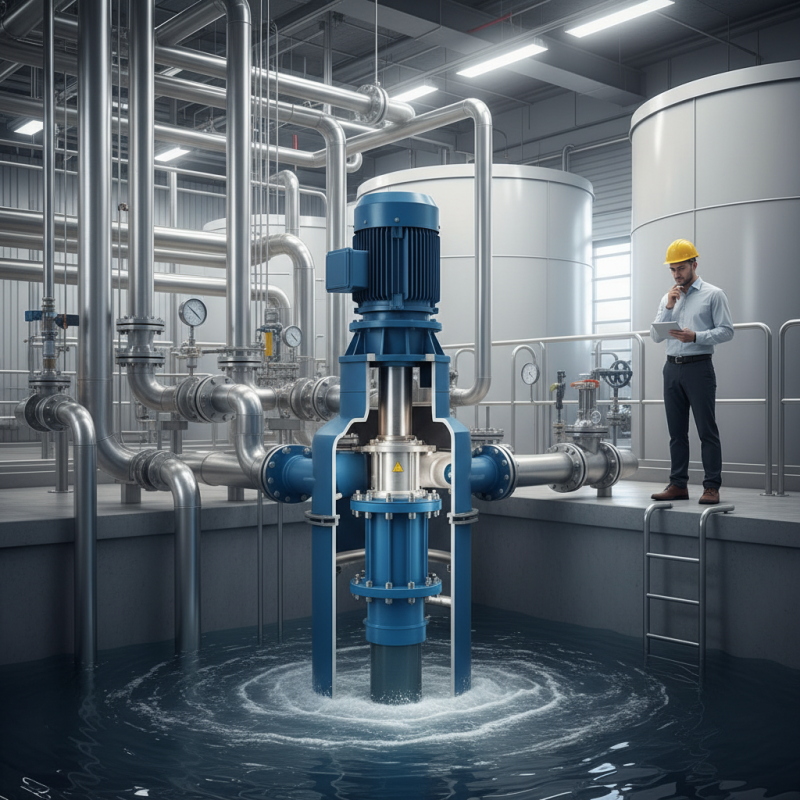
Vertical centrifugal pumps are essential in various industries, ranging from water treatment to chemical processing. They operate by converting rotational energy into fluid flow. This design is particularly effective for lifting liquids from underground sources or in situations requiring significant elevation differences. Understanding their mechanics is crucial for selecting the right pump for specific applications.
These pumps can efficiently handle a variety of fluids, including slurries and viscous liquids. However, while their operational efficiency is high, factors such as wear and tear can impact performance over time. Users should watch for signs of cavitation, which can damage the impeller. It's vital to evaluate the system's overall requirements, such as flow rate and head pressure, for optimal usage. Regular maintenance often gets overlooked but is necessary to ensure longevity.
Choosing the right vertical centrifugal pump also involves understanding the environment in which it operates. Factors like temperature, chemical composition, and potential contaminants are critical. Sometimes, the specifications may not align perfectly with operational needs, leading to adjustments in other system components. Users need to be open to continuous learning and adaptation.
This bar chart illustrates key specifications of vertical centrifugal pumps that buyers should consider, including flow rate, head, power, efficiency, weight, and price.
When selecting vertical centrifugal pumps, understanding key features is paramount. Efficiency is a crucial attribute. A pump that operates effectively lowers operational costs. Look for models with high energy ratings to maximize performance. Additionally, consider the material construction. Stainless steel or cast iron options often provide durability and corrosion resistance. This choice is vital for long-term usage in various environments.
Another important feature is the pump's flow rate. Determine your specific needs to ensure optimal performance. A pump with adjustable speed offers flexibility. Explore capabilities for handling different fluid types. Some pumps are more suited for clear liquids, while others can manage abrasives. Assess the pump's maintenance requirements, too. Ease of service can save you time and money.
Think about the installation process as well. Some pumps are designed for straightforward setups, while others may require more effort. This aspect can influence your decision significantly. Consult with experts for advice on installation and maintenance. Gauge their recommendations against your operational requirements. Navigating these features will lead you to a more informed purchase.
| Feature | Description | Importance |
|---|---|---|
| Capacity | Maximum flow rate the pump can handle. | High |
| Head | Height to which the pump can effectively lift the fluid. | High |
| Material | Construction material affects durability and resistance to corrosion. | Medium |
| Efficiency | Energy consumption vs. output performance. | High |
| Design | Vertical design contributes to compactness and ease of installation. | Medium |
| Maintenance | Ease of maintenance and availability of spare parts. | High |
| Installation | Requirements for installation and setup process. | Medium |
| Pump Type | Type of vertical pump (e.g., inline, multistage). | High |
| Price | Cost of the pump relative to its features and performance. | High |
| Warranty | Duration and coverage of the warranty offered. | Medium |
When selecting vertical centrifugal pumps, understanding the brands is vital. Various manufacturers offer unique features. Some focus on energy efficiency, while others emphasize durability. This variety can be overwhelming for buyers. Each brand's reputation and history can guide decision-making. Uncertainty may arise when comparing specifications. Analyzing customer reviews can provide valuable insights.
Efficiency is a key consideration in vertical centrifugal pumps. Some brands utilize advanced materials. This innovation can enhance performance and longevity. Users often report better reliability with certain manufacturers. However, others may experience maintenance challenges. Buyers should evaluate their specific needs. Consider operational environments and fluid types. Feedback from industry peers can shine a light on these factors. Selecting the right pump requires careful thought.
Price points also vary, reflecting features and brand prestige. Less expensive pumps may appear attractive. However, they sometimes lack crucial support services. A pump's total cost of ownership includes maintenance and energy costs. This understanding prompts buyers to weigh their options carefully. Decision-makers must balance budget constraints with performance needs. Adopting a strategic approach is essential in procurement.
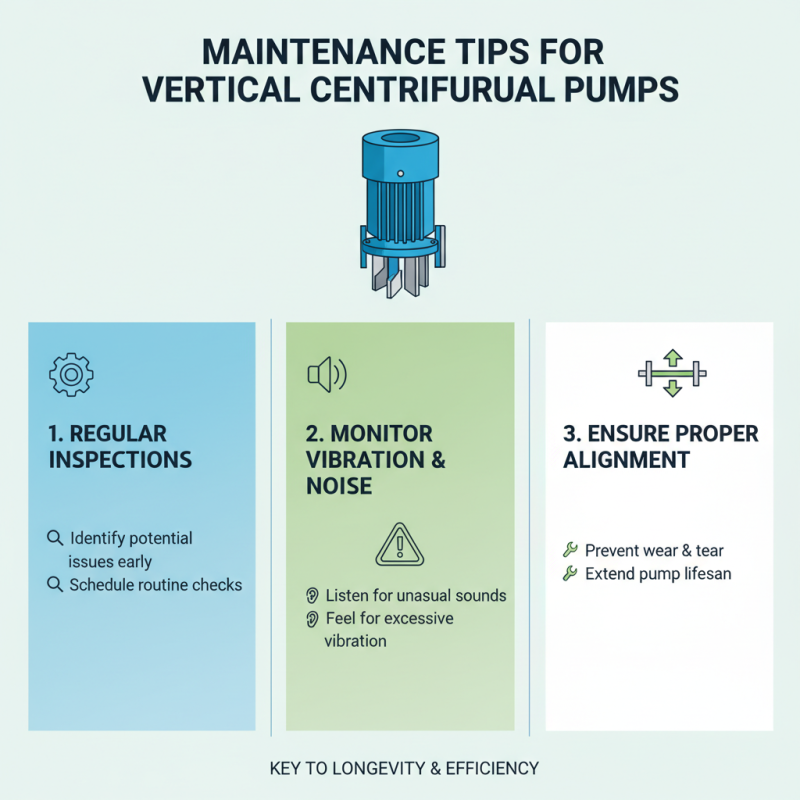
Maintaining vertical centrifugal pumps is crucial for their longevity and efficiency. Regular inspections can identify potential issues before they escalate. Check for any unusual vibrations or noises during operation. These might signal an underlying problem. Moreover, ensure the pump is properly aligned to prevent excessive wear and tear.
Regular cleaning is another vital aspect. Accumulation of dirt or debris can hinder performance. A simple rinse can help maintain optimal function. Lubricate moving parts according to manufacturer guidelines. This reduces friction and prolongs the pump's lifespan. Ensure correct oil levels; too much or too little can cause failures.
Monitoring the operating conditions is essential. Keep an eye on temperature and pressure readings. Extreme fluctuations can damage components. If the pump operates outside recommended parameters, consider adjustments. Lastly, periodic training for operators can enhance understanding of best practices, minimizing the risk of mistakes.
Vertical centrifugal pumps are vital in various industrial applications. Yet, users often encounter persisting issues affecting performance. One common problem is cavitation. This occurs when vapor bubbles form in liquids, impacting the pump’s efficiency. Users might notice unusual vibrations or noise. To mitigate cavitation, ensure the pump operates at the correct fluid levels and temperatures. Addressing suction line restrictions can also help.
Another frequent concern is seal failure. Leaky seals can lead to significant efficiency losses and increase maintenance costs. Users should routinely inspect seals for wear and replace them as necessary. Regular monitoring of pressure and temperature can prevent unexpected breakdowns. Finally, improper alignment can lead to excessive wear and operational failure. It is crucial to check alignment regularly and adjust accordingly, ensuring longevity. Small oversights can lead to major repairs and downtime. Being proactive instills reliability in your pumping systems.