Sealless Pumps for a Safer and Greener World

Choosing the right vertical centrifugal pump can be a daunting task for global buyers. These pumps play a crucial role in various industries, including agriculture, construction, and water management. Understanding their features is vital for making informed decisions.
Vertical centrifugal pumps are designed to move fluids efficiently. Their unique structure allows for effective fluid handling in confined spaces. However, various factors influence their performance, such as flow rate, pressure, and material compatibility. Buyers must evaluate these parameters carefully.
While manufacturers often highlight pump durability and efficiency, not all claims are trustworthy. Some pumps may fail under specific conditions, resulting in costly repairs and downtime. Thus, buyers should seek expert advice and conduct thorough research. Carefully analyzing reviews and performance data before making a choice is essential. Reflecting on these aspects leads to successful investments in vertical centrifugal pumps.
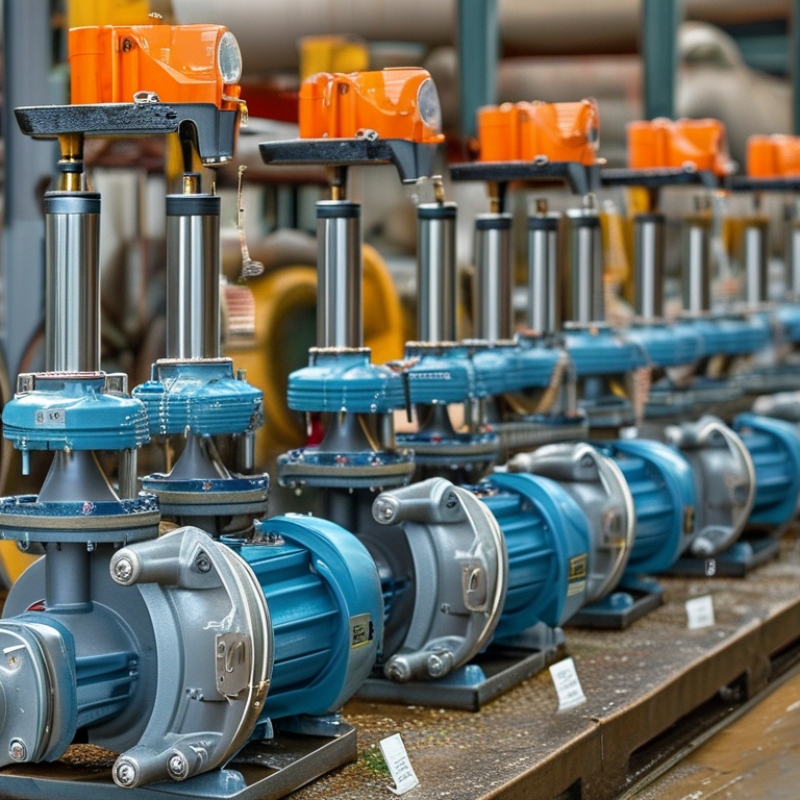
Vertical centrifugal pumps play a crucial role in various industries, from water treatment to chemical processing. These pumps are designed to handle large volumes of fluids with efficient performance. According to a recent market report by Fortune Business Insights, the global vertical centrifugal pump market is projected to reach USD 5.68 billion by 2026, growing at a CAGR of 5.2%. This growth is driven by rising infrastructure developments and increasing industrial activities worldwide.
Understanding the mechanics of vertical centrifugal pumps is essential for making informed purchasing decisions. These pumps operate on the principle of centrifugal force, converting rotational energy into hydraulic energy. Their vertical design saves space and is ideal for applications where installation depth is a concern. For instance, many models are designed to pump fluids from deep wells or basements, an essential feature in urban environments.
However, buyers should be mindful of potential challenges. Vertical centrifugal pumps can be sensitive to wear and operating conditions. Inadequate maintenance can lead to decreased efficiency and increased operational costs. Furthermore, not all models are suitable for every application. Evaluating the specific requirements, such as fluid type, temperature, and flow rate, is crucial. Ensuring compatibility with existing systems can prevent problems down the line.
When purchasing vertical centrifugal pumps, buyers should focus on key features that ensure reliability and efficiency. One important aspect is the pump's material construction. Pumps made of corrosion-resistant materials can enhance longevity, especially in harsh environments. The choice between cast iron, stainless steel, and thermoplastics can significantly impact performance metrics, according to market studies. Additionally, understanding the flow rate and head pressure is crucial. An ideal pump should meet the specific requirements of your application to prevent inefficiencies.
Tip: Always check the manufacturer's specifications for flow characteristics. This helps in selecting a pump that aligns with operational needs.
Another important feature to consider is the pump's energy efficiency. According to the U.S. Department of Energy, using energy-efficient pumps can reduce operational costs by approximately 20-50%. High-efficiency motors and optimized designs enhance performance while lowering energy consumption. Furthermore, the ease of maintenance should not be overlooked. A pump design that allows for simple access to components can save time and costs in the long run.
Tip: Regular maintenance checks can prevent costly downtime. Prioritize pumps with intuitive designs that make maintenance accessible.
When considering vertical centrifugal pumps, understanding the different types and their applications is essential. These pumps are commonly used in various industries due to their reliability and efficiency. There are three main types: single-stage, multi-stage, and submersible vertical centrifugal pumps. Each type serves different purposes based on the required flow rate and head pressure.
Single-stage pumps are ideal for applications that need low to moderate flow rates. They work well in water supply and irrigation systems. On the other hand, multi-stage pumps are designed for higher pressure applications, often found in boiler feedwater and industrial processes. Submersible vertical pumps are used in deep well applications or sewage systems, efficiently pumping fluid from below ground levels.
Choosing the right type is vital for functionality and efficiency. However, many buyers struggle with understanding specifications. This confusion can lead to mismatched pump selections, causing operational inefficiencies. While it's crucial to consider each pump's capabilities, buyers should also be aware of their unique requirements. Not all solutions are one-size-fits-all; understanding the nuances can save time and resources.
When considering the purchase of vertical centrifugal pumps, several factors influence their cost. The pump's materials are crucial. Premium materials, like stainless steel, increase durability but raise the price. Conversely, lower-grade metals can reduce costs but may lead to shorter operational life. Understanding the trade-off between price and longevity is essential.
Vertical Centrifugal Pump
The pump's design complexity also plays a significant role. Custom designs or pumps with advanced features, such as multi-stage capabilities, commonly attract higher price points. Buyers need to evaluate their specific needs. A simple design may suffice for some applications, while others may require more extensive customization, impacting overall costs.
Pump Design Complexity
Maintenance requirements should not be overlooked. Some pumps demand frequent servicing, which adds to the total cost over time. Assessing operational environments is vital. For example, harsh conditions may necessitate additional features, which can further increase initial expenses. It’s critical for buyers to consider all these factors, ensuring their investment aligns with operational demands and budget constraints.
When considering vertical centrifugal pumps, understanding the key players in the market is essential. Various manufacturers worldwide specialize in this technology. They focus on producing reliable pumps that cater to diverse applications, from industrial to municipal uses. A thorough evaluation of their product offerings reveals differences in performance specifications and material choices.
Top brands often emphasize energy efficiency and durability. They invest in research to enhance pump designs, addressing the needs of modern industries. Buyers should seek out manufacturers that provide technical support and have a solid reputation for customer service. Prominent companies usually have user-friendly guides and documentation available, a testament to their commitment to quality and customer care.
However, not all brands meet high standards. Some may compromise on material quality to lower prices. This raises concerns about long-term reliability and maintenance costs. Buyers must carefully assess promotional claims against real-world performance. A pump's efficiency and durability should take precedence over minor cost savings. Transparent manufacturers will offer data on their products, helping buyers make informed decisions.