Sealless Pumps for a Safer and Greener World

Rotating Machines play a vital role in various industries today. These machines convert energy into mechanical motion, making them essential for numerous applications. From power generation to transportation, the significance of rotating machines is undeniable.
In many sectors, rotating machines are the backbone of efficiency. For example, electric motors drive countless devices, from industrial equipment to household appliances. Turbines, another type, generate electricity and propel ships. Each type of rotating machine has unique features that suit different tasks.
However, the wide use of rotating machines also raises some concerns. They can sometimes lead to energy waste or mechanical failure. Additionally, maintenance is critical yet often overlooked. Understanding the different types of rotating machines helps in selecting the right one for specific needs. This knowledge is essential for improving performance and reducing potential issues in many applications.
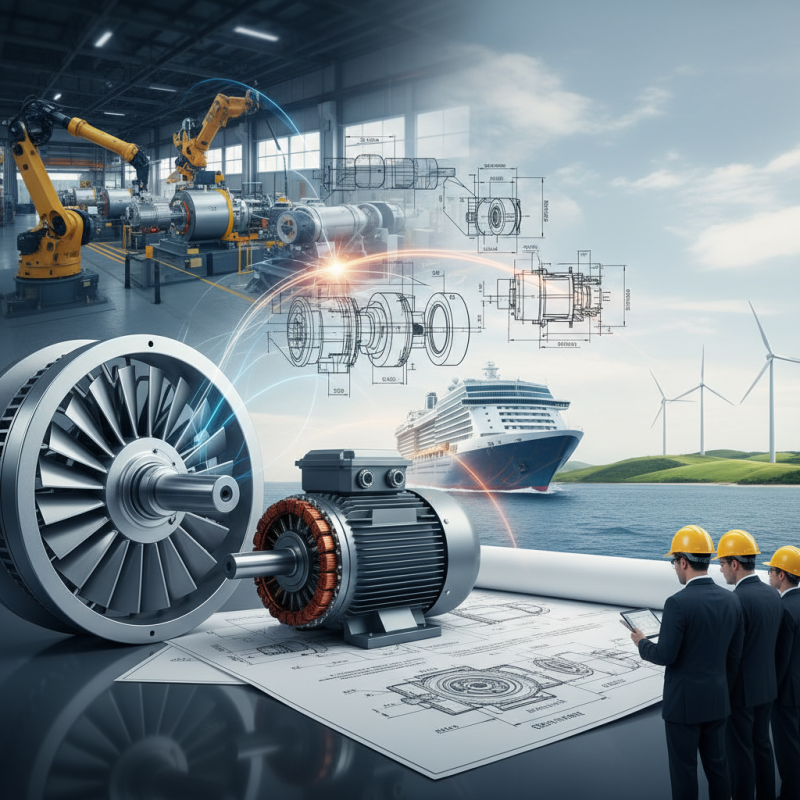
Rotating machines play a crucial role in various industries. These machines convert energy into rotary motion. Common types include motors, generators, and turbines. Each type serves unique functions, influencing production and efficiency.
Electric motors are ubiquitous. They are found in household appliances, industrial tools, and vehicles. Generators, on the other hand, are vital for power generation. They produce electricity from mechanical energy. Meanwhile, turbines convert fluid energy into mechanical power, aiding in transportation and electricity generation.
The design of rotating machines can often be complex. Balancing efficiency and cost is a continuous challenge. Some machines may suffer from wear and tear, leading to unexpected downtimes. This limitation calls for regular maintenance and inspections. Understanding these machines can lead to innovative improvements and solutions.
Electric motors play a crucial role in numerous industries. They convert electrical energy into mechanical energy, powering everything from household appliances to industrial machinery. In fact, according to a report by Global Industry Analysts, the electric motor market is projected to reach USD 176.39 billion by 2026. This highlights the growing demand across sectors.
These motors provide immense versatility. For instance, they are vital in HVAC systems, which regulate air temperature and quality in buildings. Additionally, in manufacturing, electric motors drive conveyor belts, enhancing efficiency. Without them, many operations would slow down significantly. Yet, not all motors are created equal. Selection can be challenging, and efficiency varies.
Tips: When choosing an electric motor, consider its application. Different tasks may require specific features. Always assess efficiency ratings and ensure compatibility with your systems. Regular maintenance also improves lifespan and efficiency. A well-maintained motor can prevent costly downtimes, yet many neglect this aspect. Addressing inefficiencies early can save resources in the long run.
Turbines play a crucial role in power generation, converting various forms of energy into electricity. In 2020, the global turbine market was valued at over $160 billion. Wind turbines and steam turbines dominate this sector. Wind power is now one of the fastest-growing energy sources. By 2021, global wind capacity reached approximately 743 GW, providing clean energy solutions.
However, turbines do face challenges. Maintenance can be costly and complex. In some cases, up to 20% of turbine downtime is due to mechanical issues. The harsh environments where turbines operate can further complicate this. This adds to operational costs and reflects the need for better technologies.
The efficiency of turbines varies significantly. For instance, modern gas turbines can achieve efficiencies above 60%. Yet, many older models still operate below 30% efficiency. This highlights the ongoing need for innovation. Improving turbine designs may minimize waste and enhance energy capture. As we push for sustainability, addressing these inefficiencies is imperative.
Pumps are vital rotating machines used in various industries. They facilitate the movement of fluids, making them essential in sectors such as water management and chemical processing. According to a report by ResearchAndMarkets, the global pump market is expected to reach $77 billion by 2027, growing steadily at a compound annual growth rate (CAGR) of 5.5%.
Different types of pumps serve specific functions. Centrifugal pumps, for example, are widely used for transporting liquids. They work effectively in industrial applications, from irrigation to oil transfer. Positive displacement pumps provide high efficiency, especially in low-viscosity fluids. However, they can also create unnecessary turbulence. Such details highlight the need for careful selection based on the application.
Despite their importance, not all pumps perform effectively. Inefficient pump designs can lead to energy loss and increased operational costs. A report by the International Energy Agency (IEA) indicates that improving pump efficiency could save up to 20% in energy consumption globally. This underlines the importance of focusing on both performance and sustainability in pump technology.
| Type of Rotating Machine | Description | Applications | Key Features |
|---|---|---|---|
| Centrifugal Pumps | Pumps that use centrifugal force to move fluids. | Water supply, irrigation, and drainage. | High flow rates, efficient fluid transfer. |
| Positive Displacement Pumps | Pumps that move fluid by trapping a fixed amount and forcing it into the discharge pipe. | Food processing, cosmetics, and pharmaceuticals. | Consistent flow rate, handles viscous fluids. |
| Turbine Pumps | Pumps that utilize rotating blades to convey liquid. | Flood control, sewage pumping, and water treatment. | High head, efficient in moving large volumes. |
| Diaphragm Pumps | Pumps that use a diaphragm to pump fluid, which is separated from the mechanical components. | Chemical transfer, water treatment, and fuel transfer. | Ideal for hazardous fluids, self-priming. |
| Gear Pumps | Pumps that use gears to pump fluid by displacement. | Lubrication systems, hydraulics, and chemical processes. | Compact design, high efficiency for viscous fluids. |
| Peristaltic Pumps | Pumps that move fluid through a hose by a series of rollers compressing it. | Food & beverage, pharmaceuticals, and waste management. | Minimal contamination, easy to clean. |
| Screw Pumps | Pumps that use one or more screws to move fluids along the screw axis. | Oil transfer, wastewater treatment, and marine applications. | Handles high viscosity, smooth flow. |
| Submersible Pumps | Pumps designed to operate while submerged in the liquid being pumped. | Borehole pumping, dewatering, and sewage systems. | Space-saving design, reliable operation underwater. |
| Magnetic Drive Pumps | Pumps that use a magnetic field to drive the impeller. | Chemical processing, aquariums, and pharmaceutical lab uses. | No leaks due to sealed design, minimal maintenance. |
| Vertical Turbine Pumps | Multi-stage pumps mounted vertically to provide higher pressures. | Irrigation, municipal water supply, and industrial applications. | Space-efficient, reliable in deep well applications. |
Generators play a crucial role in modern power systems. They convert mechanical energy into electrical energy efficiently. According to the International Energy Agency (IEA), global electricity generation reached over 27,000 terawatt-hours in 2020. This figure highlights the immense demand for reliable power sources.
Mechanical energy is often derived from various sources. In many cases, it comes from turbines driven by wind, water, or steam. Each type of generator operates under specific principles. Efficiency is key, yet challenges remain. For instance, some generators struggle with energy losses during conversion processes. Research indicates that up to 10% of energy is lost in traditional systems, emphasizing the need for innovation.
Moreover, the adaptability of generators is both a strength and a challenge. While they can serve diverse applications—from industrial plants to remote locations—balancing efficiency and output remains complex. In regions with unstable grids, generators must respond quickly to variations in demand. This requires advanced technologies and constant monitoring to minimize disruptions. As the energy landscape evolves, the focus must shift towards enhancing generator performance and sustainability.



