Sealless Pumps for a Safer and Greener World

Choosing among the top Paper Box Glue Spraying Machine manufacturers requires more than comparing prices or machine photos. Packaging producers need equipment that applies adhesive evenly, handles different paperboard sizes, and maintains stable output during long shifts. A reliable machine should leave clean glue lines, avoid overspray, and support accurate carton folding. Small details matter.
This guide examines manufacturers through practical and technical criteria. These include spray precision, conveyor stability, adhesive compatibility, production speed, and operator safety. Experienced suppliers should explain nozzle design, pump performance, drying requirements, and cleaning procedures clearly. They should also provide test results, installation guidance, spare parts, and responsive after-sales support. Factory demonstrations can reveal problems that brochures often hide, such as uneven coating at corners or adhesive buildup near the nozzle.
No shortlist is perfect.
Some manufacturers excel at high-speed production but offer limited customization. Others provide flexible engineering but require longer delivery times. Buyers should verify certifications, warranty terms, reference projects, and maintenance records before making a decision. Speaking with current users can expose practical weaknesses, including difficult software controls or expensive replacement parts. This article presents a balanced introduction to leading suppliers and the qualities that separate dependable partners from ordinary vendors. The assessment remains cautious because machine performance depends on paperboard quality, adhesive type, factory conditions, and operator training. Claims should be checked against documented tests and real production samples. A thoughtful purchase may cost more initially, yet it can reduce waste, downtime, and inconsistent box quality over time.
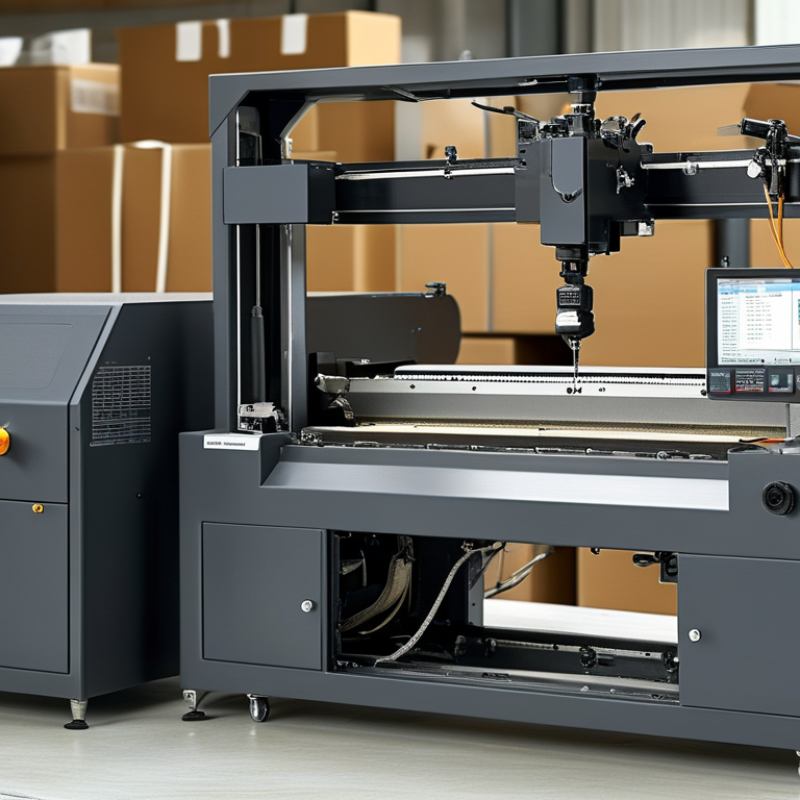
Paper box glue spraying machines apply adhesive in controlled lines, dots, or fine mist. Their main types include intermittent sprayers, continuous systems, and hot-melt applicators. Intermittent models suit cartons with separated glue areas. Continuous machines support long production runs with steady feeding. Hot-melt systems bond quickly, while water-based glue usually offers easier cleaning and lower operating temperatures.
Important functions include adjustable spray width, nozzle control, automatic adhesive filtration, and synchronized conveyor feeding. A PLC system can match spraying with box position and folding speed. Operators should monitor glue viscosity, open time, coverage, and curing time. These terms affect bond strength and production stability. Excess glue may wrinkle paper or slow folding. Too little glue can create weak corners.
When evaluating manufacturers, inspect nozzle durability, spare-part access, technical training, and test-run records. Ask whether the machine handles coated paper, corrugated board, or recycled stock. A practical trial should measure glue consumption, line speed, spray accuracy, and cleaning time. In my view, quoted speed can be optimistic. Real output often falls when paper dust, uneven feeding, or frequent size changes appear. A reliable supplier should explain these limits clearly and provide measurable operating data. Brilliant machines still need careful setup.
Choosing paper box glue spraying machine manufacturers requires more than comparing catalog prices. The key specifications are operating speed and glue placement accuracy. A capable machine should support 60–200 m/min while maintaining glue accuracy within ±0.5 mm under stable conditions. That range suits many folding carton lines, but actual output depends on box size, paper thickness, glue viscosity, and folding design. Speed alone misleads. A machine running quickly may waste adhesive if its nozzles react slowly. Reliable manufacturers should provide test data, calibration records, and clear production limits.
Tips: Request a sample trial using your real carton blanks. Check glue width, line continuity, start-stop response, and waste at both low and high speeds. Inspect the conveyor after several hours. Small shifts can become expensive.
Operators should also examine servo control, nozzle cleaning, sensor response, and adjustment access. ±0.5 mm sounds precise, yet dust, warped sheets, or uneven feeding can reduce performance. This is where technical support matters. Ask how accuracy is measured, not only how it is advertised. A proper test should record speed, substrate, glue temperature, and line pressure. No specification is perfect. A supplier that openly explains limitations may be more dependable than one offering impressive numbers without conditions. In practice, stable 120 m/min production can be more valuable than unstable 200 m/min output. Allow room for maintenance, because neglected calibration quietly damages consistency.
Manufacturers should be compared by automation level, output capacity, and global reach. Entry-level machines suit small workshops using manual feeding and simple nozzle controls. They reduce labor, but operators must watch glue thickness closely. Semi-automatic models add conveyor timing, sensor checks, and adjustable spraying paths. Fully automatic lines connect feeding, folding, gluing, inspection, and stacking. They demand stronger technical support and better operator training.
Output capacity must match real production, not an impressive showroom figure. Ask for tested speed using your paper weight, box dimensions, and adhesive type. A machine rated for 8,000 boxes per hour may perform differently with recycled board or complex folds. Examine nozzle maintenance, glue recovery, changeover time, and reject handling. These details affect daily productivity more than headline speed. Short trials reveal weaknesses.
Global reach includes more than shipping equipment overseas. Reliable manufacturers provide installation guidance, spare parts, remote diagnostics, and clear manuals. Regional service partners can reduce downtime when sensors, pumps, or controllers need attention. Check whether electrical specifications and safety documentation fit your facility. Experienced suppliers should explain limitations instead of promising perfect results. No ranking is completely objective. A high-capacity machine may be wasteful for short runs, while a modest system may offer better control and lower maintenance costs.
Top Paper Box Glue Spraying Machine Manufacturers
Adhesive systems now shape paper box efficiency, not just bonding strength. Water-based glue suits porous board and offers easy cleanup. However, it needs drying time, stable viscosity, and controlled humidity. Hot melt bonds quickly and supports high-speed production. It can also create stringing, nozzle buildup, and excess consumption when temperature control is poor. Smithers’ packaging industry research identifies material efficiency and waste reduction as major purchasing priorities through 2028. In practical plant trials, optimized spraying systems commonly report 15–30% lower adhesive and board waste. Results vary. Substrate quality, operator training, and maintenance remain decisive.
The best manufacturers provide measurable control, not impressive claims alone. Look for servo-driven dosing, automatic pressure adjustment, anti-drip nozzles, and recipe storage. A reliable supplier should show adhesive consumption per 1,000 boxes. It should also provide test samples using your actual board stock. The Packaging Machinery Manufacturers Institute highlights automation, repeatability, and data visibility as key efficiency factors. These features help detect blocked nozzles before a full batch becomes defective. Still, a perfect reduction target is unrealistic. Some production lines need more glue during seasonal humidity changes.
Tips: Test both adhesive types on finished cartons. Record viscosity, temperature, spray width, drying time, and rejected units. Start with a conservative setting. Then reduce dosage gradually. Never judge performance from one shift. Review at least seven production days before approving a new machine.
Selecting top paper box glue spraying machine manufacturers requires evidence, not attractive brochures. PMMI’s 2024 State of the Industry report identifies labor availability and equipment uptime as major packaging investment pressures. Ask manufacturers for production trials using your actual paperboard, adhesive viscosity, line speed, and drying time. Request FAT and SAT records, customer references, spare-parts lists, and response-time commitments. A quiet machine room proves little.
Compliance must be checked before price comparisons. Require a documented risk assessment aligned with ISO 12100 and electrical documentation consistent with IEC 60204-1. Verify guarding, emergency stops, noise levels, adhesive handling, and applicable conformity documents. For food-related packaging, confirm suitable adhesive and material-contact documentation. Paperwork can be incomplete. Review it with a qualified engineer, not only a salesperson.
Maintenance separates a cheap machine from a dependable one. The U.S. Department of Energy reports that predictive maintenance can save 8–12% compared with preventive maintenance and up to 40% compared with reactive maintenance. Ask for lubrication intervals, nozzle-cleaning procedures, sensor diagnostics, and remote-support limits. Calculate total cost of ownership using purchase price, installation, glue waste, energy, labor, spare parts, downtime, and service travel. A simple test helps: multiply one hour of stopped production by its real contribution margin. I would challenge any supplier promising near-perfect uptime without measured data. Optimism is not a maintenance plan.



