Sealless Pumps for a Safer and Greener World

When it comes to maintaining a smooth sailing experience, understanding the significance of marine pumps is essential for every boat owner. These dependable devices play a crucial role in ensuring that water is effectively managed on board, thereby helping to prevent potential hazards such as flooding. Selecting the right marine pumps not only safeguards the vessel but also enhances overall performance and efficiency. With a wide variety of options available on the market, it can be overwhelming to navigate through the choices.
This guide delves into the top ten marine pumps while highlighting the essential features that every boat owner should consider when making their selection. From different types of pump systems to crucial factors such as flow rates, installation ease, and maintenance requirements, this comprehensive overview aims to equip boat owners with the knowledge they need to make informed decisions. By focusing on the necessary attributes of marine pumps and providing insightful tips, we can help ensure that your boating adventures are safe, enjoyable, and worry-free.
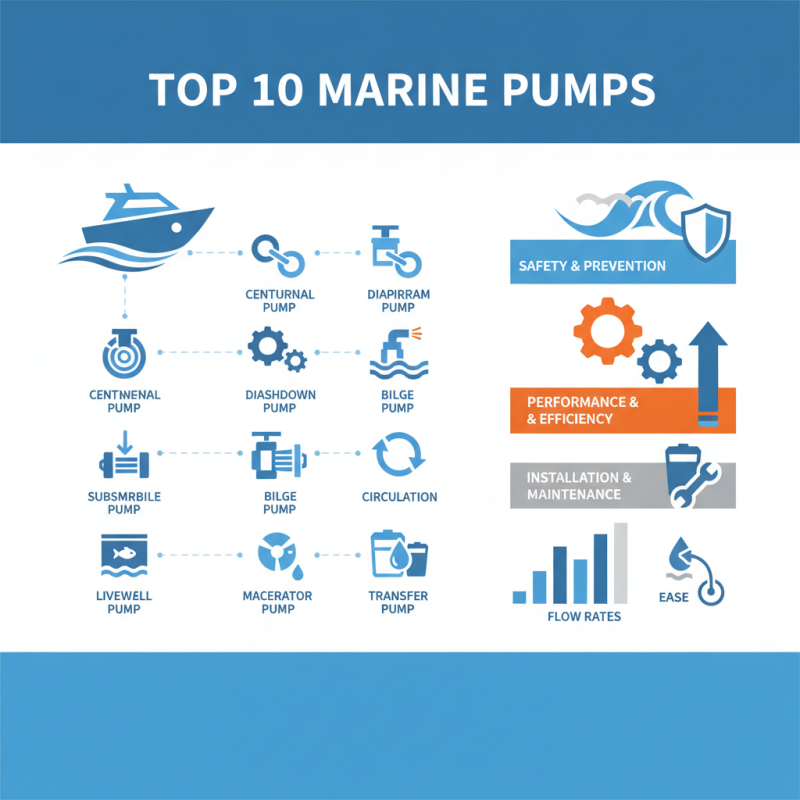
When selecting the right marine pump for your boat, it's crucial to understand the essential types designed for various applications. For example, bilge pumps are fundamental for removing water from the bilge area, helping to prevent flooding and ensuring the safety of your vessel. These pumps are typically automatic, activating when water levels rise to a certain point, providing peace of mind to boat owners.
Another key type is the fuel transfer pump, which is vital for moving fuel from storage tanks to the engine or between tanks. These pumps can operate both manually and automatically, depending on the design and purpose. When choosing a fuel pump, it's critical to evaluate the materials used, as they need to be resistant to corrosion and compatible with various fuel types.
**Tips:** Always consider your specific boating needs before making a purchase. Check the flow rate and maximum head pressure of the pump to ensure it meets the requirements for your intended application. Additionally, keep in mind the maintenance ease; pumps that are accessible for servicing will save you time and hassle in the long run.
This chart displays the top 10 types of marine pumps based on their applications in boating. The data reflects the pump types along with their efficiency ratings, showing which pumps are more suited for specific tasks.
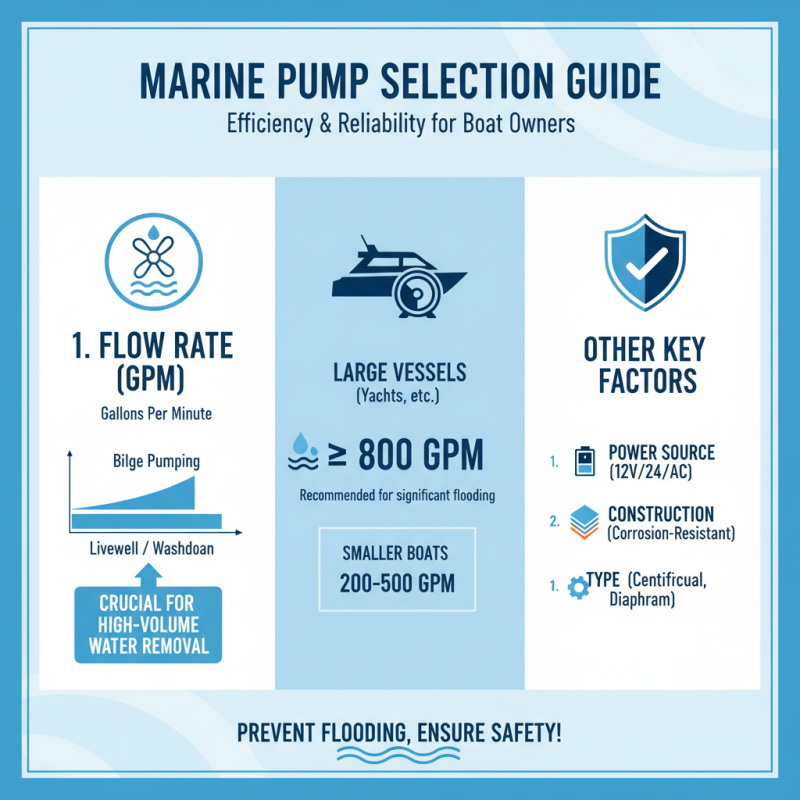
When selecting a marine pump, it is crucial for boat owners to consider essential features that ensure efficiency and reliability on the water. One of the key factors is the pump’s flow rate, typically measured in gallons per minute (GPM). Industry reports indicate that an adequate flow rate is vital for applications such as bilge pumping, where high volume removal is required to prevent capsize or flooding. For instance, a flow rate of at least 800 GPM is recommended for larger vessels facing significant water ingress.
Durability is another critical feature. Marine pumps are exposed to harsh environments, including saltwater, humidity, and temperature fluctuations. According to market research, pumps constructed from corrosion-resistant materials can significantly extend service life and performance, reducing maintenance costs. Additionally, the ease of installation and access for repairs is important. Many boat owners prefer modular designs that allow straightforward replacement of parts, potentially reducing downtime at sea. Understanding these features and their implications on the pump's operation will help boat owners make informed decisions, ensuring safety and reliability on their journeys.
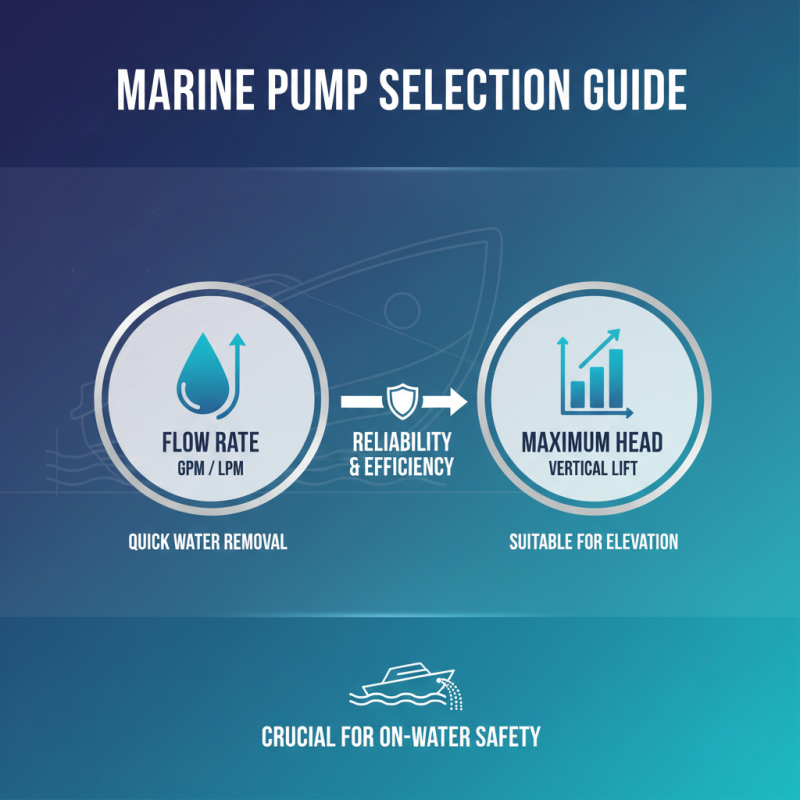
When selecting a marine pump, understanding pump performance ratings and specifications is crucial for ensuring reliability and efficiency on the water. The primary ratings to consider include flow rate, which is typically measured in gallons per minute (GPM) or liters per minute (LPM). Higher flow rates facilitate quicker water removal from your vessel, which is particularly important in emergency situations. Additionally, look for the pump's maximum head, which indicates how high the pump can lift water vertically. This specification will help you determine if the pump is suitable for your particular boat setup and any elevation requirements.
Another significant aspect to evaluate is the pump’s power consumption and efficiency. A pump that operates efficiently will save energy and reduce operational costs over time. This is especially pertinent for longer trips where power management is essential. Moreover, consider the materials used in the construction of the pump, as resistance to corrosion and wear can significantly affect longevity and performance in a marine environment. Additionally, ensure that the pump complies with relevant maritime standards, which often dictate the performance and safety features essential for marine applications.
Maintaining marine pumps is crucial for ensuring their longevity and optimal performance on the water. According to data from the National Marine Manufacturers Association, proper maintenance can extend the lifespan of marine equipment by up to 30%. Regular inspections, including checking for wear and tear, leaks, and corrosion, are essential. Owners should also consider cleaning filters and strainers frequently to prevent debris buildup, which can cause significant performance issues.
Additionally, lubricating moving parts and ensuring that seals are intact can greatly reduce the likelihood of pump failure. Marine pumps operate in harsh conditions, meaning that exposure to saltwater and varying temperatures can lead to accelerated wear. A survey from the American Boat and Yacht Council highlights that approximately 70% of pump failures can be attributed to inadequate maintenance practices. Setting up a routine maintenance schedule, ideally before and after the boating season, is an effective strategy for keeping marine pumps in excellent working condition and avoiding costly repairs or replacements in the long run.
| Pump Type | Flow Rate (GPH) | Power Source | Weight (lbs) | Material | Key Features |
|---|---|---|---|---|---|
| Bilge Pump | 1100 | Electric | 6 | Plastic | Automatic float switch |
| Livewell Pump | 800 | Electric | 5 | Marine-grade plastic | Quiet operation |
| Pressure Water Pump | 300 | Electric | 8 | Stainless steel | Self-priming |
| Sump Pump | 1500 | Electric | 10 | Plastic | High capacity |
| Transfer Pump | 400 | Electric | 7 | Aluminium | Portable design |
When it comes to installing marine pumps, adhering to best practices is crucial for ensuring efficiency and longevity. First, it’s essential to select the right location for your pump. The mounting surface should be sturdy and capable of handling vibrations without compromising the pump's performance. Additionally, ensure that the pump is positioned below the waterline for gravity to assist in priming and to avoid air pockets in the system. Utilizing vibration dampening mounts can further enhance stability and reduce noise during operation.
Proper installation goes hand-in-hand with routine maintenance. Regularly check connections for leaks and ensure that all fittings are secure. It’s advisable to inspect the pump's filters and impellers consistently, replacing them as needed to prevent clogs and maintain optimal flow rates. Furthermore, keeping the pump and surrounding areas clean will reduce the risk of corrosion and extend the lifespan of your equipment. By adhering to these best practices, boat owners can ensure their marine pumps operate effectively and reliably, ensuring smooth sailing on the water.