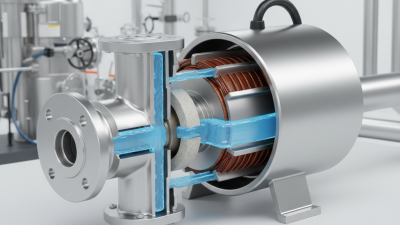
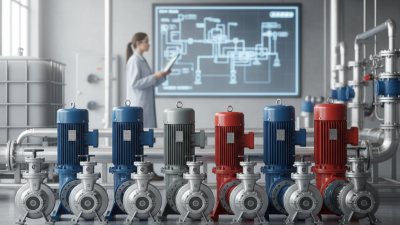
Sealless Pumps for a Safer and Greener World

As industries continue to evolve, the canned motor market is expected to see significant changes by 2026. Leading expert in the field, Dr. Emily Carter, noted, "The canned motor technology is on the verge of a transformative phase." This underscores a pivotal moment where technology meets efficiency.
The demand for canned motors is growing. Applications range from HVAC systems to robotics. Buyers should prioritize understanding the nuances of these motors. Knowledge about energy efficiency and maintenance will become crucial. Canned motors offer distinct advantages, such as compact design and high reliability.
However, challenges exist. Some may find it difficult to choose the right model due to the diversity available. The landscape will be more competitive, with emerging technologies impacting performance. Reflecting on these developments is vital for informed purchasing decisions. Keeping up with trends is essential for any buyer navigating the canned motor sector.
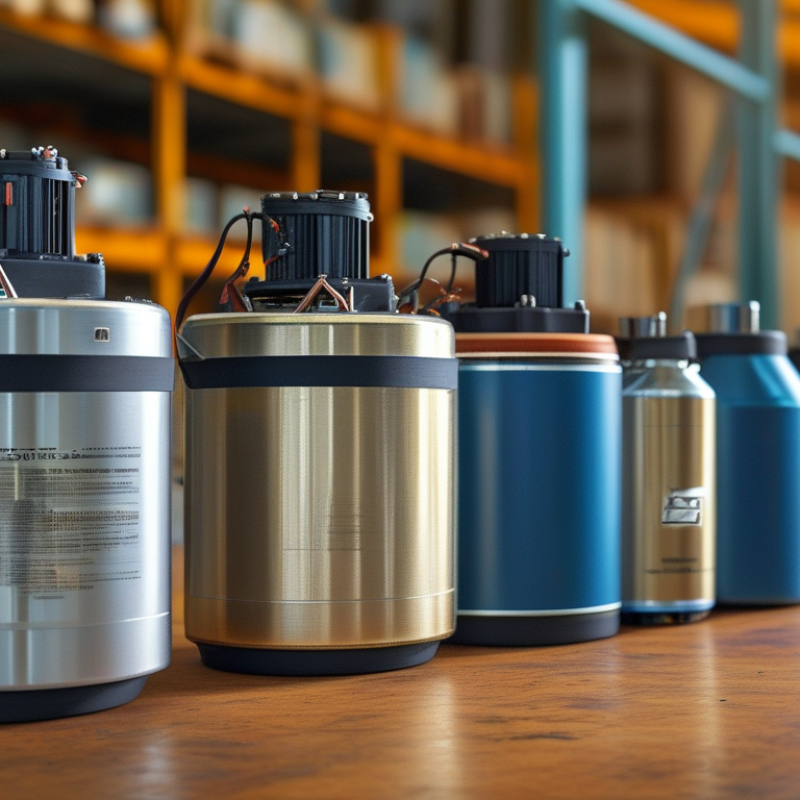
In 2026, canned motor technology will undergo significant advancements. Industry reports indicate a growing preference for energy-efficient designs. These motors will utilize advanced materials, reducing weight and enhancing performance. For instance, the shift to high-strength polymers could lead to a 30% decrease in weight without compromising durability. This change will appeal to industries that prioritize efficiency and sustainability.
Another critical trend is the integration of smart technologies. Canned motors will increasingly feature sensors for real-time data monitoring. This allows operators to track performance metrics continuously. According to recent studies, predictive maintenance can reduce downtime by up to 40%. However, the transition to these technologies poses challenges. Users may need retraining to effectively manage new systems and leverage data insights.
The market will also focus on modular designs. This flexibility enables easier upgrades and repairs, promoting a longer product lifecycle. Yet, achieving this could result in higher initial costs, creating hesitance among potential buyers. Companies will need to balance innovation with affordability to ensure widespread adoption. The future of canned motors is exciting, but careful consideration of these technologies’ implications will be crucial for buyers.
Canned motors are gaining significant traction in diverse industries. These motors are sealed units that offer high efficiency and reliability. Their enclosed design protects them from dust and moisture, making them ideal for challenging environments. In manufacturing, they are increasingly used in conveyor systems and robotics. Their compact size allows for installation in tight spaces.
Emerging applications in pharmaceuticals and food processing highlight their benefits. The ability to maintain cleanliness is crucial in these sectors. Canned motors can operate without the risk of contamination. An interesting trend is their use in laboratory automation. Precise movements and silent operation are essential here, and canned motors excel in both areas.
While the adoption of canned motors is growing, some challenges remain. Higher initial costs may deter certain buyers. Additionally, limited customization options could be a concern for specific applications. As industries evolve, innovations in canned motor technology will undoubtedly address these issues. The future looks promising for these powerful devices. They meet the demands of various sectors with increasing efficiency and versatility.
As we move towards 2026, the trend of eco-friendly canned motors is gaining momentum in various industries. A study by the International Energy Agency shows that electric motor systems account for nearly 70% of electricity used in industry. This underscores the need for more sustainable options. Many manufacturers are focusing on reducing environmental impact by using recyclable materials and optimizing energy efficiency.
In the realm of design, advancements like integrated energy recovery systems are becoming more common. These systems can capture energy loss during operation, potentially reclaiming 15 to 20% of energy that would otherwise be wasted. Furthermore, emerging regulations are pushing for greener solutions. For instance, companies are increasingly required to report their carbon footprints, driving demand for more efficient motor technologies.
However, the transition isn't without challenges. Many traditional motor designs are not inherently adaptable to eco-friendly modifications. This raises questions about the long-term sustainability of some existing motor technologies. As industries navigate this shift, the importance of ongoing research and development cannot be overstated. Buyers must stay informed about these trends and consider both the ecological and economic impacts of their choices.
When selecting canned motors, buyers should focus on several key aspects. First, examine the motor's efficiency rating. Energy-efficient motors can significantly reduce operational costs. Look for designs that optimize airflow and minimize power losses. Efficiency not only saves money but also supports sustainable practices.
Next, consider the motor's size and weight. Compact designs are often easier to install. They can fit into tight spaces where traditional motors might not. Ensure that the specifications match your application needs. Compatibility with existing systems is crucial for seamless integration.
Finally, pay attention to the motor's reliability and lifespan. Research materials used in construction. Durable materials often lead to longer-lasting performance. Also, consider the availability of support and replacement parts. While it may be tempting to choose the cheapest option, investing in quality can prevent future headaches. In an evolving market, finding the right balance between innovation and practicality is vital for success.
| Feature | Trend Indicator | Expected Impact | Recommendation for Buyers |
|---|---|---|---|
| Energy Efficiency | Increasing demand for low-energy solutions | Reduced operating costs | Look for motors with high-efficiency ratings |
| Compact Design | Shift towards smaller setups | Increased versatility and ease of installation | Consider multi-functional motors |
| Smart Technology Integration | Rise in IoT applications | Enhanced monitoring and control capabilities | Seek motors with digital connectivity |
| Longer Lifespan | Focus on durability and reliability | Lower maintenance costs | Assess warranties and lifecycle data |
| Sustainability | Green manufacturing processes | Positive impact on brand image | Choose environmentally friendly options |
The canned motor market is experiencing significant shifts as we approach 2026. Industry reports indicate a projected CAGR of 5.5% from 2023 to 2028. This growth is largely driven by rising energy efficiency demands and advancements in motor technology. However, challenges remain, particularly in meeting stringent environmental regulations. The increasing emphasis on sustainability requires manufacturers to innovate while adhering to these standards.
As buyers navigate this evolving landscape, understanding the unique challenges is crucial. One opportunity lies in the integration of smart technologies. A recent study found that 30% of buyers prioritize automation features in their purchasing decisions. This trend underscores the market's focus on enhancing operational efficiency. Yet, potential pitfalls, like cybersecurity threats from interconnected systems, pose risks that need careful consideration.
Investors must also recognize market fragmentation. A 2022 analysis revealed that over 40% of canned motors were produced by smaller firms. This can lead to variability in quality and reliability. Buyers must tread cautiously, ensuring thorough due diligence. The merging of innovation and reliability will ultimately define success in the canned motor market of the future.
This chart illustrates the projected trends in the canned motor market for 2026, highlighting key areas such as cost efficiency, energy efficiency, technological innovation, market demand, and sustainability. The values represent the anticipated importance of each trend in the evolving marketplace.