Sealless Pumps for a Safer and Greener World

Choosing iso pumps is not just a matter of matching a catalogue number. The right choice depends on the liquid, operating conditions, and system requirements. A pump handling clean water may need different materials and seals from one moving a viscous or mildly corrosive liquid. Small details matter. A few millimetres of pipework or a change in temperature can affect performance.
A neat datasheet can still mislead. Check the required flow rate and head, then compare them with the pump’s operating range. Consider suction conditions, motor capacity, wetted materials, seal options, and access for maintenance. These checks help prevent common problems, such as insufficient flow, repeated seal wear, or energy use higher than expected. There is no universal best choice.
This guide presents seven practical tips for selecting a pump with confidence. It explains what to verify in specifications, how to assess material compatibility, and which questions to ask suppliers. Where possible, compare stated performance with your actual duty conditions, not just ideal figures. Even experienced buyers can overlook one assumption. I might, too. Careful selection takes time, and the available information is not always complete. A thoughtful review can narrow the options and help you choose iso pumps suited to your process, installation, and maintenance plan.
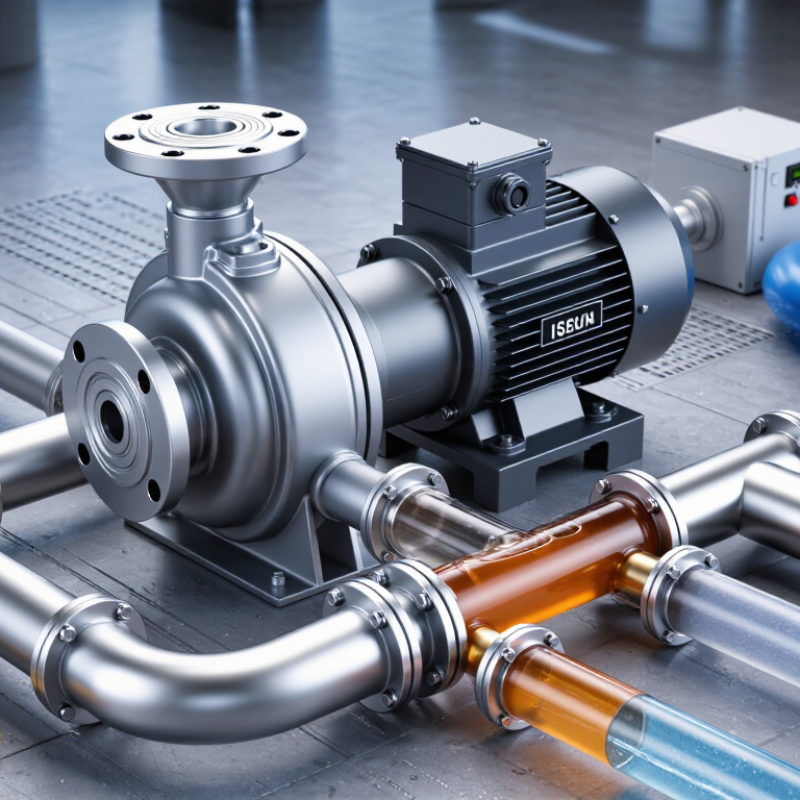
ISO pump standards cover specific design and test boundaries, not every aspect of a pump’s suitability. ISO 2858 specifies dimensions and designation for certain end-suction centrifugal pumps. ISO 5199 sets technical requirements for centrifugal pumps in Class II applications. ISO 9906 describes acceptance tests for hydraulic performance. These standards help buyers compare equipment and agree on test conditions.
That distinction matters. A pump can meet a dimensional standard yet still miss your required flow, head, materials, or operating range. Check the duty point against the pump curve, then confirm the test grade and permitted tolerances. Ask for the test results, not just a standards reference. Small details count: a few millimetres of clearance or a different fluid temperature can affect an installation. Standards help. They do not replace engineering judgment.
Energy use gives the choice real weight. The U.S. Department of Energy’s Improving Pumping System Performance: A Sourcebook for Industry reports that pumping systems account for nearly 20% of global electricity demand. That figure describes pumping systems broadly, not ISO-compliant pumps alone. Still, it shows why efficiency and operating conditions deserve attention alongside conformity. I would also question a specification that lists an ISO number without naming the edition or acceptance criteria. It is an easy detail to overlook.
| Tip | Selection Dimension | What to Check | Relevant ISO Standard and Scope |
|---|---|---|---|
| 1 | Match the pump type to the application | Confirm whether the duty calls for a centrifugal pump, and establish the required flow rate, total head, liquid properties, and operating conditions before comparing models. | ISO 2858 covers principal dimensions and designation for specified end-suction centrifugal pumps. It does not by itself select a pump for a particular system. |
| 2 | Check the required technical-requirements class | Review the project specification for the required design, construction, inspection, and testing requirements. Confirm the specified class with the purchaser or engineer. | ISO 5199 sets technical requirements for centrifugal pumps in Class II. ISO 9905 covers Class I, while ISO 9908 covers Class III requirements. |
| 3 | Verify duty-point performance | Compare the required flow and head with the pump's performance data. Check the operating range and whether the stated duty point is appropriate for the installation. | ISO 9906 specifies hydraulic performance acceptance tests for rotodynamic pumps, including acceptance grades and associated tolerances. |
| 4 | Consider the liquid and operating conditions | Document the liquid's density, viscosity, temperature, vapor pressure, solids content, and any corrosive or hazardous characteristics. These factors affect materials and performance. | The applicable pump technical-requirements standard depends on the service and project specification. A standard's stated scope should be checked rather than assuming it covers every liquid or operating condition. |
| 5 | Check suction conditions and cavitation risk | Compare available net positive suction head (NPSHA) with the pump's required NPSH (NPSHR) at the intended duty. Account for liquid temperature, pressure, and suction-piping losses. | ISO 9906 provides a framework for hydraulic performance acceptance testing; the project should specify how NPSH performance is to be assessed and accepted. |
| 6 | Confirm dimensional and installation compatibility | Check nozzle arrangement, mounting, baseplate, shaft arrangement, driver, and available space. Verify that the specified dimensions and connections suit the piping and installation. | ISO 2858 applies to the principal dimensions and designation of the end-suction centrifugal pumps within its scope. Confirm the selected pump falls within that scope. |
| 7 | Specify testing, documentation, and edition | State the required inspection and acceptance criteria, test documentation, and applicable standard editions in the purchase specification. Resolve any project-specific requirements before ordering. | Use the relevant technical-requirements standard together with ISO 9906 when hydraulic acceptance testing is required. Standards have distinct scopes and are not interchangeable. |
Before comparing ISO pumps, define the duty point in measurable terms. Specify the required flow rate and total differential head, including losses through pipes, valves, filters, and heat exchangers. A flow figure without its corresponding head can lead to a poor selection. Small details matter.
Describe the liquid at normal and upset conditions. Record its temperature, viscosity, density, vapor pressure, and any solids or gas. These properties affect power demand, material selection, and pump performance. Also note suction pressure and available NPSH, especially when the liquid is hot or the suction line is long. Measure, don’t guess.
Map the full operating range, not just the expected daily point. Include minimum and maximum flow, startup frequency, run time, and likely changes in system resistance. Compare this range with the pump curve and check motor load across it. A common mistake is treating a calculated duty as exact; field measurements often reveal different pressures or flow. Leave room to review assumptions with operating data, but avoid adding arbitrary capacity that could push the pump far from its efficient range.
Choosing an ISO pump starts with the system’s actual duty point, not just its pipe size or catalog rating. Define the required flow and total head, including static lift, friction losses, and pressure needed at the outlet. Then compare that duty point with the pump curve at the intended speed and impeller diameter. A pump that delivers the target flow at one condition may struggle when filters clog or valves move. Real systems change.
Check how the pump will operate across the full expected range. Staying near the best-efficiency point can reduce energy use and limit vibration, but the system rarely behaves exactly like an early calculation. Pipe roughness, fluid temperature, and future equipment changes can shift the operating point. Numbers can mislead. Review suction conditions, too: available NPSH should exceed the pump’s required NPSH with an appropriate margin. A short, crowded suction line may create trouble even when the discharge curve looks right. Consider a small flow increase or reduced demand, and ask whether the selected pump remains stable in both cases. If estimates are uncertain, document the assumptions and verify them during commissioning. That step can reveal a mismatch before it becomes a persistent operating problem.
When comparing ISO pumps, start with the liquid, not the catalog description. Cast iron can suit clean water, while stainless steel may better resist corrosion. Yet 316 stainless is not a universal upgrade; chloride levels and temperature can change the choice. Small details matter. Check the fluid.
The U.S. Department of Energy’s 2006 Improving Pumping System Performance sourcebook reports that pumping systems can use 25–50% of energy in some industrial plants. That figure makes efficiency worth checking alongside material cost. Ask for the pump’s operating point, not only its best-efficiency figure. A throttled pump may waste energy, even with corrosion-resistant construction.
Seal selection needs the same care. Silicon-carbide faces can handle abrasive service better than softer options, but the elastomer must match the fluid and temperature. EPDM and FKM do not suit every chemical. Check the supplier’s compatibility data against actual concentration and temperature. For maintenance access, compare back-pullout construction, shaft sleeves, and casing arrangement. ISO 5199 addresses technical requirements for certain centrifugal pumps, but it does not choose the right material for your process. A datasheet can still leave gaps. Ask how seal life and corrosion assumptions were established.
Representative density of common pump construction materials
Density is one material property, not a measure of corrosion resistance or overall pump suitability. Actual values vary by alloy and grade; select materials and seals based on the pumped fluid, temperature, pressure, and operating conditions.
An efficient ISO pump is not simply the model with the highest published efficiency. Compare its performance curve with your real operating point, including flow, head, and expected changes in demand. A pump running far from its best-efficiency point may consume more power and experience greater vibration. Check motor loading, too. Small differences become significant when the unit runs for long shifts. Measure, don’t guess.
Reliability depends on more than a robust casing. Review the materials, seal arrangement, bearing design, and suitability for the pumped liquid and site conditions. Ask for test data and clear maintenance intervals; vague claims are hard to verify. Consider access for routine work: can a technician reach the seal without moving nearby pipework? This detail is easy to overlook. It matters later.
Long-term support deserves equal weight. Confirm that operating manuals, spare-parts lists, and service expertise will remain available throughout the expected service life. Ask how quickly common wear parts can be supplied, and whether local technicians can diagnose faults. A low purchase price may look convincing, but downtime and energy use can change the calculation. I would still leave room for uncertainty: actual performance depends on installation, controls, and maintenance habits, not just the selection sheet.