Sealless Pumps for a Safer and Greener World

When selecting an API 685 canned motor pump, understanding the critical factors is essential. These pumps are known for their reliability and efficiency in handling various liquids, especially in challenging environments. However, not all pumps are alike. The performance and suitability of each unit can vary based on specific application requirements.
Choosing the right API 685 canned motor pump involves considering various elements like size, materials, and operational conditions. For example, the construction materials should withstand the fluid properties. Additionally, understanding the operational environment helps in selecting the right features. Each detail can significantly impact the pump's lifecycle and efficiency.
It is important to question assumptions during the selection process. A common mistake is overlooking the manufacturer's expertise or not seeking advice from industry experts. This can lead to poor performance or failures. Ultimately, making an informed decision can enhance your system's reliability and operational efficiency.
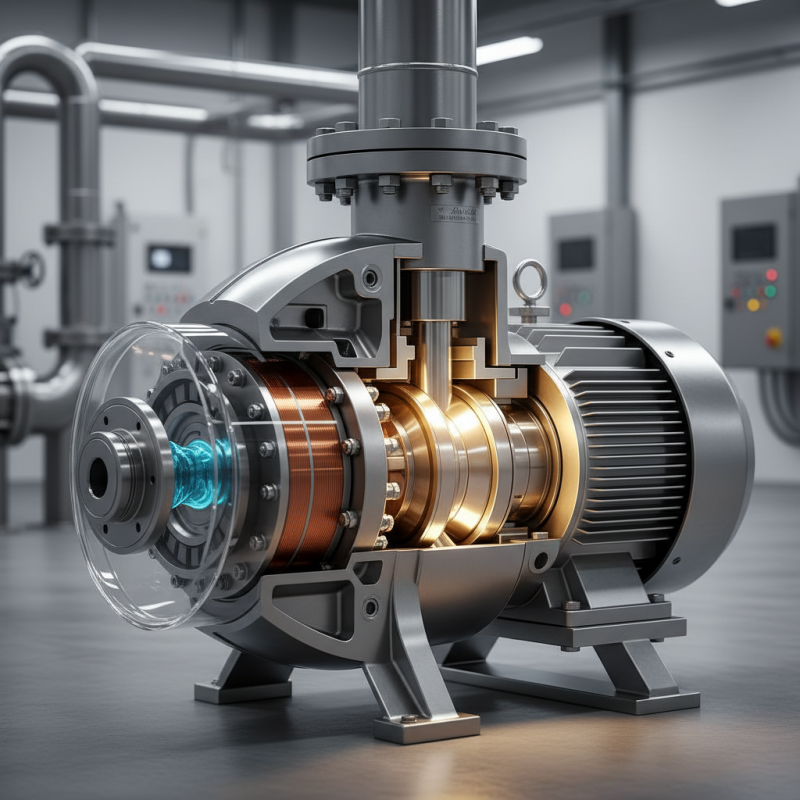
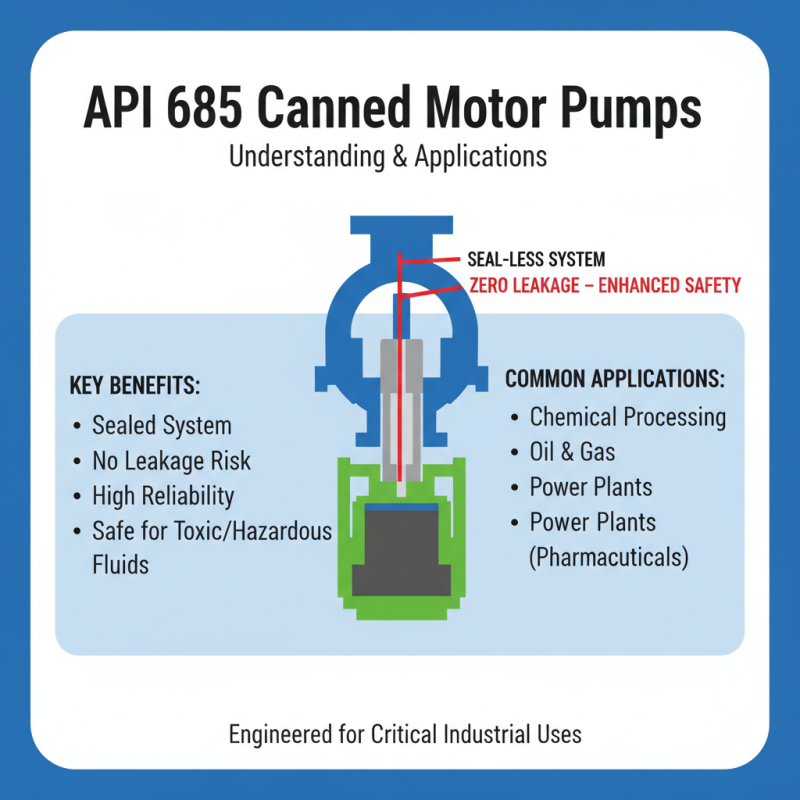
API 685 canned motor pumps are engineered for various industrial applications. They provide a sealed system that enhances safety and reliability. The design eliminates the risk of leakage, making them ideal for toxic or hazardous fluids. These pumps are commonly used in chemical processing, oil and gas industries, and power plants.
Understanding the applications of API 685 pumps is critical. They operate efficiently in environments where standard pumps might fail. Temperature fluctuations, high viscosity fluids, or materials requiring frequent maintenance are common scenarios for these pumps. Users must be trained on proper installation and maintenance practices.
Some challenges arise with API 685 pumps. Selection might be influenced by specific requirements and operational conditions. Careful attention must be paid to temperature limits and fluid compatibility. Consulting with professionals can be beneficial, yet some users may overlook this step. Emphasizing the importance of thorough research can prevent future complications and downtime.
When selecting API 685 canned motor pumps, several key factors demand careful consideration. The operational environment plays a significant role. For instance, these pumps often handle hazardous fluids, making material compatibility critical. A report from the Hydraulic Institute highlights that approximately 20% of pump failures are related to corrosion or material degradation. Choosing the right materials ensures long-term reliability and efficiency.
Another important factor is the pump's efficiency. According to a recent study from the American Society of Mechanical Engineers, implementing efficient pump designs can reduce energy consumption by up to 30%. Evaluating the pump’s hydraulic performance curves can help determine its efficiency in your specific application. Additionally, considering the size and layout of the installation site is essential. Canned motor pumps often have unique space requirements, which may limit options if overlooked.
Lastly, assess the manufacturer's support and service offerings. The availability of technical support can significantly impact the total cost of ownership. In many cases, inadequate post-installation service leads to costly downtime. A reliable vendor should provide comprehensive documentation and troubleshooting assistance. Taking these factors into account can lead to a more informed decision when choosing the right canned motor pump for your needs.
Choosing the right materials and design for API 685 canned motor pumps is critical. Compatibility with the fluid being pumped is essential. Corrosive or abrasive fluids can wear down pumps quickly if materials are not suitable. For instance, stainless steel may work well for water, but not for aggressive chemicals. Understanding the chemical properties of your fluid is necessary to prevent failures.
Consider the pump design carefully. Look for features that enhance durability. A robust sealing design can protect against leaks. It's also vital to evaluate thermal compatibility, especially if pumping high-temperature fluids. Temperature fluctuations can lead to material stress. If ignored, this may cause unexpected failures and maintenance costs.
It’s worth exploring different materials, such as duplex stainless steels or various polymers. Each has unique advantages. However, always keep in mind that no single material fits all applications. Regular assessments of your pump's performance can highlight potential issues, making it easier to address them proactively. Relying solely on manufacturer recommendations might overlook specific operational challenges you may face.
| Tip No. | Tip Description | Material Considerations | Design Features | Compatibility Factor |
|---|---|---|---|---|
| 1 | Assess your fluid's properties | Corrosive properties, viscosity | Seal design, motor enclosure | Chemical compatibility with materials |
| 2 | Evaluate temperature ranges | Material thermal limits | Cooling features, insulation | Temperature stability of components |
| 3 | Consider operational environment | Presence of dust, moisture | Sealing mechanisms, housing protection | Ingress protection ratings |
| 4 | Determine motor power needs | Power ratings of components | Efficiency features, load capacities | Power supply compatibility |
| 5 | Check maintenance requirements | Material wear resistance | Accessibility of components | Compatibility with tools and resources |
Choosing the right API 685 canned motor pump involves a deep dive into performance specifications and efficiency ratings. These elements are crucial for optimal operation in various applications. Begin by examining the pump's flow rate and head. A pump that matches your system’s needs will minimize the energy consumed during operation. Look for performance curves that clearly show how the pump behaves under different conditions.
Efficiency ratings are equally important. The Hydraulic Efficiency (HE) and Pumping Efficiency (PE) can greatly impact energy costs. A higher efficiency rating indicates better performance and lower operational costs over time. However, don’t just focus on numbers. Real-world applications may reveal discrepancies between test conditions and your operational environment.
Assessing the materials used in the pump can also make a difference. Corrosion resistance is vital for longevity, especially in harsh environments. Ask questions about the reliability of these materials. Understanding the long-term implications of your choice is essential for sustainable operations. Choosing a pump isn’t merely about specs; it requires thoughtful consideration of all these factors.
When choosing API 685 canned motor pumps, manufacturer support and maintenance services play a crucial role. A good manufacturer provides not just products, but also expertise. Their support can help troubleshoot issues quickly. The right guidance can prevent prolonged downtime. Without this, even the best equipment can lead to inefficiencies.
Regular maintenance is essential for optimal performance. A reliable manufacturer offers scheduled services and training. They ensure you understand how to operate the pumps properly. Some may overlook this aspect, but it’s vital. In times of trouble, having a supportive partner can make all the difference. You need immediate access to knowledgeable technicians. Their insight can save time and money.
Moreover, manufacturers that prioritize customer feedback improve their services. Engaging with clients shows a commitment to quality. Some companies may fall short in this area. This can lead to frustration and greater repair costs. Therefore, consider long-term relationships with manufacturers. Their ongoing support is invaluable for your operations.