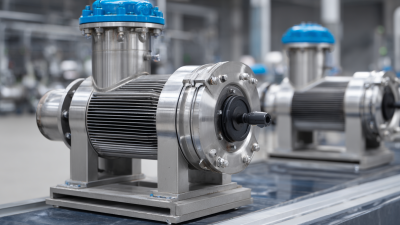
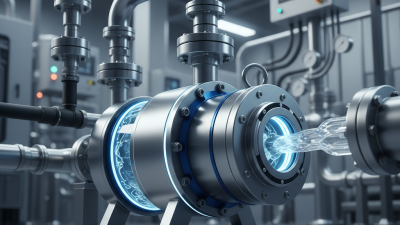
Sealless Pumps for a Safer and Greener World

Sealless magnetic drive pumps offer efficient and reliable solutions for various industries. Their design eliminates traditional seals, reducing maintenance needs and leaks. This innovation enhances safety and minimizes downtime. However, many users still face challenges when implementing these systems.
Efficiency is key when using sealless magnetic drive pumps. Proper installation and operation can significantly affect performance. Users often overlook the importance of fluid compatibility. A mismatch can lead to inefficiencies or even pump failure. Additionally, regular monitoring is essential to identify potential issues before they escalate.
While these pumps provide several advantages, some shortcomings persist. For instance, initial costs can be higher than conventional pumps. This financial consideration can deter some users from making the switch. Understanding the balance between costs and benefits is crucial for informed decision-making in choosing sealless magnetic drive pumps.
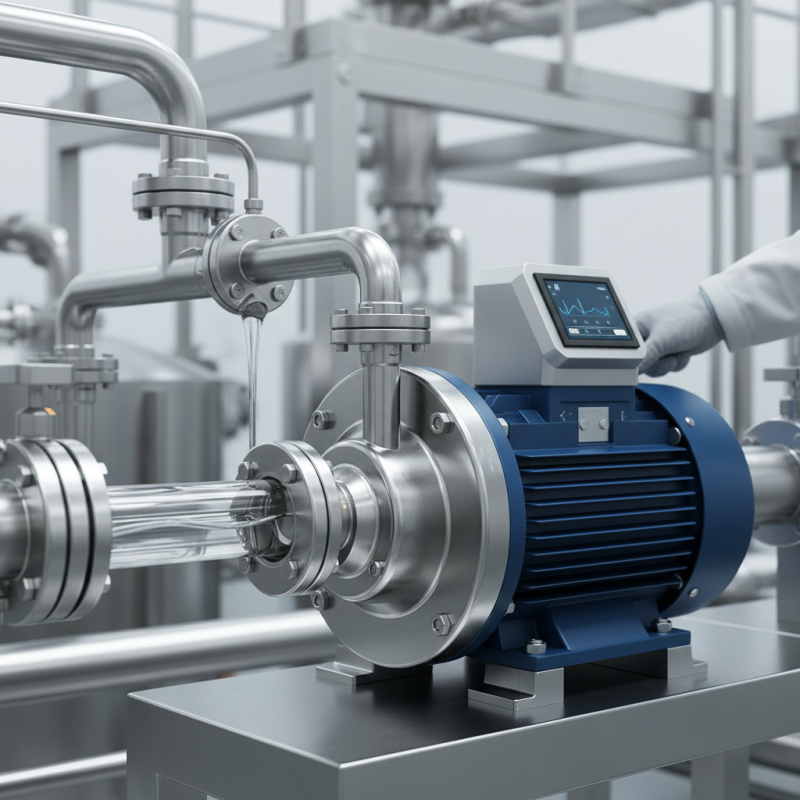
Sealless magnetic drive pumps are quite innovative. They offer several key features that enhance efficiency. One main aspect is their unique design. This design eliminates traditional seals. Consequently, there is a reduced risk of leaks. This is particularly beneficial for corrosive or hazardous liquids.
These pumps also operate quietly. The lack of seal friction leads to less noise during operation. Operators often appreciate this quietness in sensitive environments. Moreover, maintenance becomes simpler. Fewer components mean fewer potential issues. However, some users might find initial costs daunting.
Energy efficiency is another significant feature. Sealless magnetic drive pumps consume less power. Properly sized, they minimize energy waste. Users should remember that installation requires careful planning. This is vital for maximizing performance. Adjustments might be needed during use. Balancing flow rates is critical. Over time, this could lead to better outcomes.
| Feature | Description | Benefit |
|---|---|---|
| Sealless Design | Eliminates leakage through traditional seals. | Reduces the risk of contamination and enhances safety. |
| Magnetic Drive | Uses magnets to transfer rotational energy to the impeller. | Improves reliability and reduces maintenance costs. |
| Variable Speed Control | Allows adjustment of flow rates according to requirements. | Enhances energy efficiency and process control. |
| Wide Chemical Compatibility | Constructed from materials resistant to corrosion. | Suitable for diverse applications in different industries. |
| Low Noise Operation | Minimal sound emissions during operation. | Creates a quieter working environment. |
In industrial applications, the choice between sealless magnetic drive pumps and traditional pumps is crucial. Sealless pumps are known for their unique design, which eliminates mechanical seals. This feature significantly reduces the risk of leaks, a common issue with traditional pumps. According to a report from the American Society of Mechanical Engineers, around 20% of pump failures are due to seal leakage. This makes sealless pumps a more reliable choice in sensitive environments.
Efficiency is another critical factor. Sealless pumps can operate at higher efficiencies compared to traditional models. A study by the Hydraulic Institute found that sealless pumps often achieve efficiencies above 80%, while traditional pumps tend to hover around 60-70%. This difference can lead to substantial energy savings over time. However, installation and maintenance costs for sealless systems can be higher. Not every application may justify these expenses, requiring careful consideration.
Another point of comparison lies in the versatility of applications. Sealless pumps excel in handling corrosive and hazardous liquids, where traditional pumps may struggle. Yet, they require precise alignment and installation, which may challenge some maintenance teams. Understanding the specific needs of a facility is essential. Choosing the right type of pump impacts operational efficiency significantly, and both options have pros and cons that merit thorough examination.
Efficiency metrics for sealless magnetic drive pumps are essential for assessing their performance. Key indicators include flow rate, power consumption, and overall system efficiency. Flow rates typically range from a few liters per minute to several cubic meters per hour, depending on the application.
A significant report from the Hydraulic Institute indicates that efficiency rates can vary. Some pumps achieve an impressive 85% efficiency, while others lag at about 60%. The design and materials significantly impact these numbers. Pumps made from corrosion-resistant materials tend to perform better and last longer.
Understanding these metrics allows for informed decisions. Regular maintenance and monitoring can prolong pump life. However, the impact of wear over time must be considered. Operators often neglect the influence of small inefficiencies. As a result, energy consumption can rise, leading to increased operational costs. Evaluating performance metrics regularly can mitigate these issues and enhance pump reliability.
Sealless magnetic drive pumps are vital in many industries. Their design avoids mechanical seals, reducing leaks. This makes them a popular choice for chemical, pharmaceutical, and food applications. According to a recent industry report, over 30% of chemical processing plants use these pumps due to their reliability and safety.
In the pharmaceutical sector, sealless pumps are preferred. They provide sterile conditions. A study shows they enhance production efficiency by 15%. However, not all users are aware of maintenance needs. Overlooking regular checks can lead to failures. In the food industry, these pumps ensure compliance with hygiene standards. Yet, if improperly installed, they can still pose risks.
Some companies still choose traditional pumps. This is concerning, as their failure rates can be higher. Data indicates that mechanical seal failures account for 40% of all pump issues. The choice is clear: sealless pumps offer efficiency and safety but require proper practices. Investing time in training and maintenance is essential to reap the full benefits of these modern solutions.
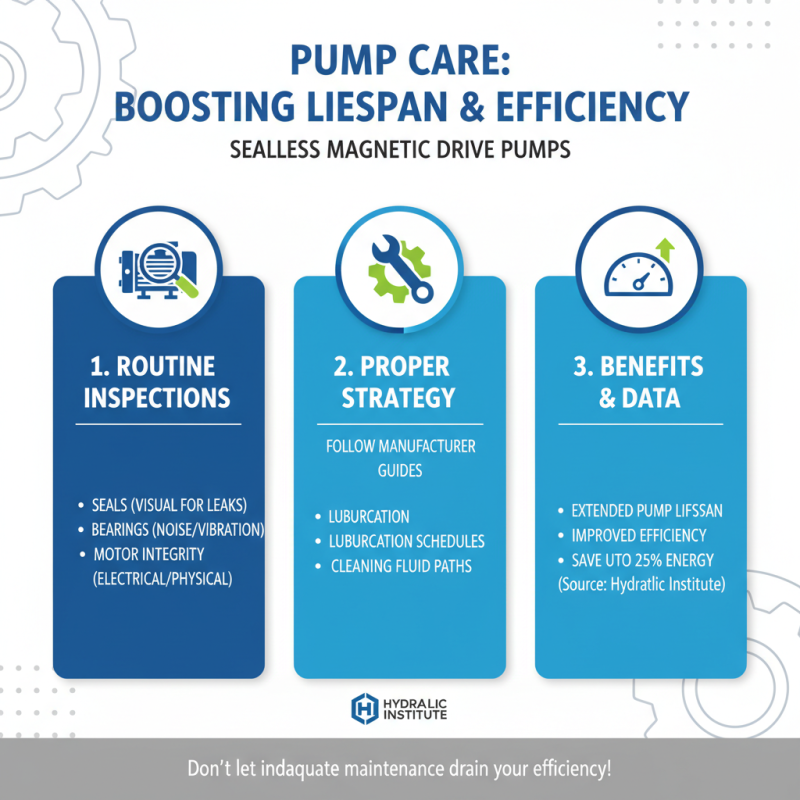
Sealless magnetic drive pumps are efficient but require proper care. Regular maintenance enhances their lifespan. According to the Hydraulic Institute, inadequate maintenance can lead to a 25% decrease in pump efficiency. Routine inspections should focus on seals, bearings, and motor integrity.
Monitor the pump’s performance metrics closely. Unusual vibrations or temperature changes indicate issues. Ignoring these signs can result in significant failures. A report from the American Society of Mechanical Engineers states that 70% of pump failures are linked to improper maintenance practices.
Bearing lubrication is often overlooked yet crucial. Proper lubrication reduces friction, extending the pump’s operational life. However, choosing the right lubricant can be tricky. Over-lubricating may lead to grease buildup, negatively impacting performance. These details are essential for maintaining efficiency.