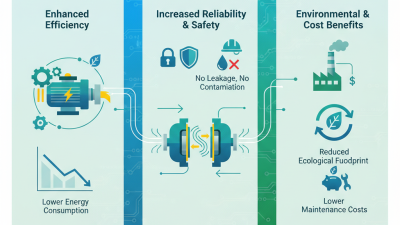
Sealless Pumps for a Safer and Greener World

In today's industrial landscape, the efficient selection of motor pumps is vital for both performance and cost savings. Richard Baxter, a renowned expert in the motor pump industry, once stated, “Choosing the right motor pump can significantly affect your operation’s bottom line.” This highlights the importance of making informed decisions when purchasing motor pumps.
Many buyers overlook critical factors when selecting a motor pump. For instance, the pump's energy efficiency can lead to substantial long-term savings. A poorly chosen motor pump may increase operational costs and maintenance challenges. Therefore, understanding the specifications and applications of various motor pumps is crucial. Some common issues arise from not assessing the system’s requirements thoroughly.
Furthermore, buyers often rush into decisions, driven by immediate needs. This can result in regret down the line. Taking time to research different types, brands, and models can yield significant benefits. Aligning your operational needs with the right motor pump technology ensures optimal performance and reliability. Careful consideration in the initial purchasing phase can pave the way for sustained efficiency in any industrial setup.
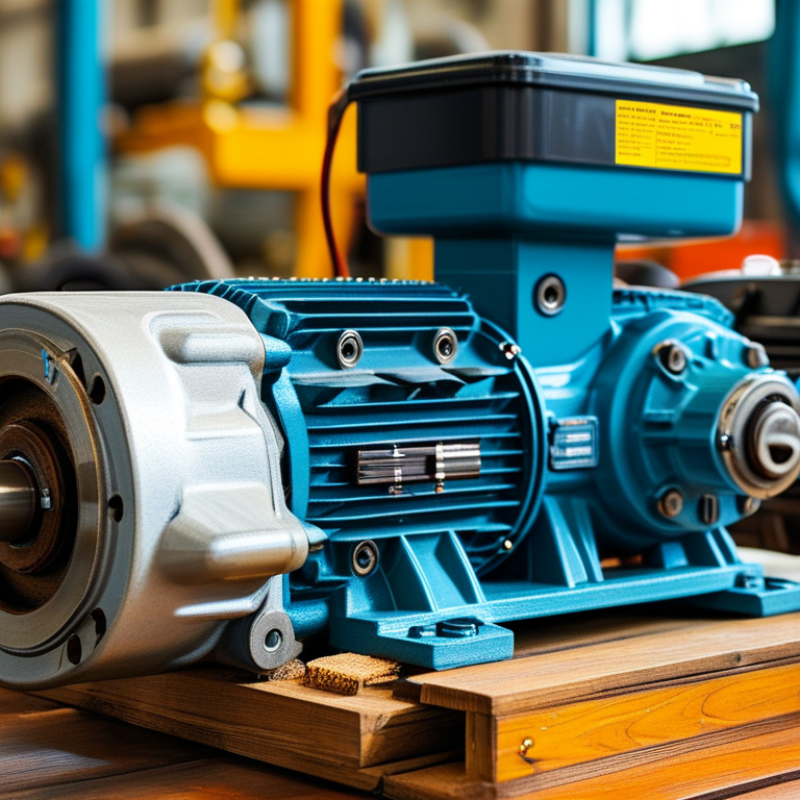
Motor pumps play a crucial role in various industries. Understanding the types available can save you time and money. There are several categories of motor pumps, such as centrifugal pumps, positive displacement pumps, and submersible pumps. Each type serves different needs depending on fluid characteristics and application requirements. Centrifugal pumps are ideal for high flow rates, while positive displacement pumps handle thick fluids effectively. Submersible pumps excel in applications where the pump needs to be submerged in the fluid.
When choosing a motor pump, consider its efficiency rating. Look for pumps that match your specific requirements, not only in flow rates but also in energy consumption. Investing in a more energy-efficient model may cost more upfront, but it leads to significant savings over time. Examine the installation requirements as well. Some pumps may need additional fittings or modifications, costing both time and money.
Also, factor in the maintenance needs of your chosen pump. Some models require regular upkeep and monitoring, which can become a long-term expense. Research the average lifespan and parts availability for different pumps. A reliable pump reduces downtime and ensures a smoother operation. Each choice comes with its own set of challenges, so weigh these factors carefully.
| Type of Motor Pump | Efficiency Rating | Common Applications | Estimated Cost ($) | Maintenance Frequency |
|---|---|---|---|---|
| Centrifugal Pump | 80-85% | Water supply, HVAC | 500 - 3,000 | Annual |
| Positive Displacement Pump | 75-90% | Oil & gas, food processing | 1,000 - 5,000 | Bi-annual |
| Diaphragm Pump | 70-85% | Chemical transfer, pharmaceuticals | 800 - 4,000 | Quarterly |
| Submersible Pump | 85-95% | Wastewater, irrigation | 400 - 2,500 | Annual |
Choosing the right motor pump involves understanding several key factors. Efficiency is crucial for cost-effectiveness. Look at the pump's performance curve. Ensure it matches your specific requirements. Consider the flow rate and pressure needed for your application. A mismatch can lead to increased energy consumption or inadequate performance.
Material selection is another critical aspect. Pumps are made from different materials like stainless steel or thermoplastics. Corrosion resistance and durability are essential, especially for specific fluids. Evaluate the environment the pump will operate in. High temperatures or aggressive chemicals may necessitate special considerations.
Maintenance costs can accumulate quickly. Check the ease of servicing the motor pump. Some models require frequent maintenance, while others are designed for longevity. Consider whether replacement parts are readily available. This can impact the long-term reliability and efficiency of operations. Reflect on your operational needs and the potential for future expansion. Making a well-informed decision can yield significant savings and ensure efficiency for years to come.
When choosing a motor pump, energy efficiency ratings are crucial for cost savings. These ratings indicate how effectively a pump converts electrical energy into fluid movement. A pump with a high energy efficiency rating can significantly lower your electricity bills over time. Understanding these ratings requires careful attention. Consider the efficiency percentage and the conditions in which the pump operates.
Research shows that investing in energy-efficient pumps can yield substantial savings. However, not all high-rated pumps are suitable for every application. It’s essential to evaluate your specific needs, such as flow rate and pressure requirements. This could reveal that a less efficient pump may actually perform better for your particular situation. Regularly reviewing operational conditions can also help identify underperforming equipment that may be more costly in the long run.
In some cases, the latest models promise greater efficiency but may not deliver in reliability. User feedback plays a vital role in assessing performance claims. Look beyond the specifications and consider real-world experiences. Understanding both the benefits and potential drawbacks of your pump choices will lead to more informed decisions.
Proper maintenance of motor pumps is essential for optimal performance and longevity. Regular upkeep can lead to a 20% increase in efficiency, as reported by industry studies. Scheduled checks can prevent minor issues from escalating, saving costly repairs down the line. This proactive approach can enhance the lifespan of your equipment significantly.
Monitoring lubrication levels is crucial. Many motor pumps fail due to insufficient lubrication, leading to overheating and premature wear. Routine inspections can help detect leakage or contamination in lubricants. Following manufacturer guidelines on service intervals is vital, yet many users overlook this. A recent survey indicated that failure to follow recommended maintenance schedules results in a 30% drop in operational efficiency.
In addition, regular cleaning of the pump housing and intake filter can improve performance. Debris buildup can block flow, causing inefficiencies. Surprisingly, operators often neglect these simple tasks. Implementing a straightforward cleaning schedule can yield noticeable improvements. Ignoring maintenance can lead to a cycle of underperformance, affecting overall productivity and energy consumption. Proper care ensures reliability and extends the life of motor pumps, simplifying workflows and maximizing returns.
When considering motor pump procurement, it is essential to analyze cost-effective strategies to enhance efficiency and savings. Industry reports indicate that optimizing pump operations can save up to 30% in energy costs. Regular monitoring can yield actionable insights into performance, ensuring pumps function at peak efficiency.
One effective approach is to invest in energy-efficient models. These pumps may have a higher initial cost, but their operational savings often justify the investment. Additionally, manufacturers report that proper sizing of pumps can reduce energy consumption by nearly 15%. Analyzing the specific needs of your operation allows for informed purchase decisions, resulting in long-term savings.
Implementing routine maintenance practices is equally important. For instance, checking for leaks can prevent up to 10% of unnecessary costs. Moreover, staff training on operational best practices can lead to better performance. Overlooking these elements may result in inefficiencies that drive up costs over time. Focus on continuous improvement in both procurement and maintenance strategies to ensure not only savings but also optimal operational efficiency.