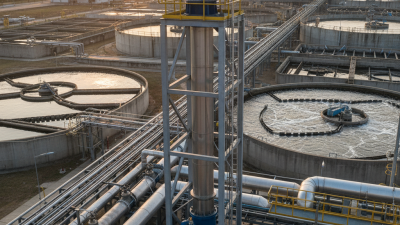
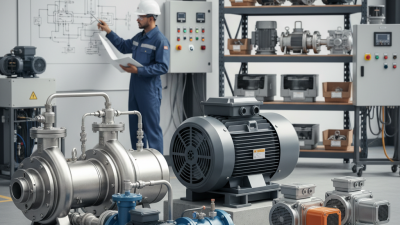
Sealless Pumps for a Safer and Greener World

Choosing the right vertical centrifugal pump is crucial for optimal performance in various industrial applications. Industry expert Dr. Emily Carter emphasizes, "Understanding the specifications is key to selecting the right vertical centrifugal pump." Her insights shed light on the complexities involved in the decision-making process.
When selecting a vertical centrifugal pump, consider critical factors like flow rate and head. Each application has unique demands. A mismatch can lead to inefficiencies. Size, material, and energy consumption also matter significantly. Quality pumps ensure durability and reduce maintenance costs.
However, many still overlook these essentials. Some might focus solely on price, not realizing the long-term implications. A poorly chosen pump can result in operational delays and increased expenses. Reflecting on these challenges is vital. Choosing wisely can enhance efficiency and extend the pump's life.

Vertical centrifugal pumps are crucial in various industries. Their designs allow for effective fluid transfer in applications ranging from wastewater management to chemical processing. Understanding how these pumps operate can aid in selecting the right one for your needs.
These pumps work by using a rotating impeller to increase fluid velocity. This velocity creates a difference in pressure, drawing liquid into the pump and pushing it out. Applications often involve transporting liquids at high flow rates, which can lead to wear and tear. It’s essential to consider the fluid’s characteristics, such as viscosity and temperature. For example, a thick slurry may require a more robust design compared to a clean water application.
Choosing the right pump is not always straightforward. Factors like energy efficiency, maintenance requirements, and overall operational costs must be evaluated. Sometimes, a more complex system may appear advantageous but can lead to higher long-term expenses. Assessing the specific needs of your operation will help avoid costly mistakes and ensure the pump serves its intended purpose effectively.
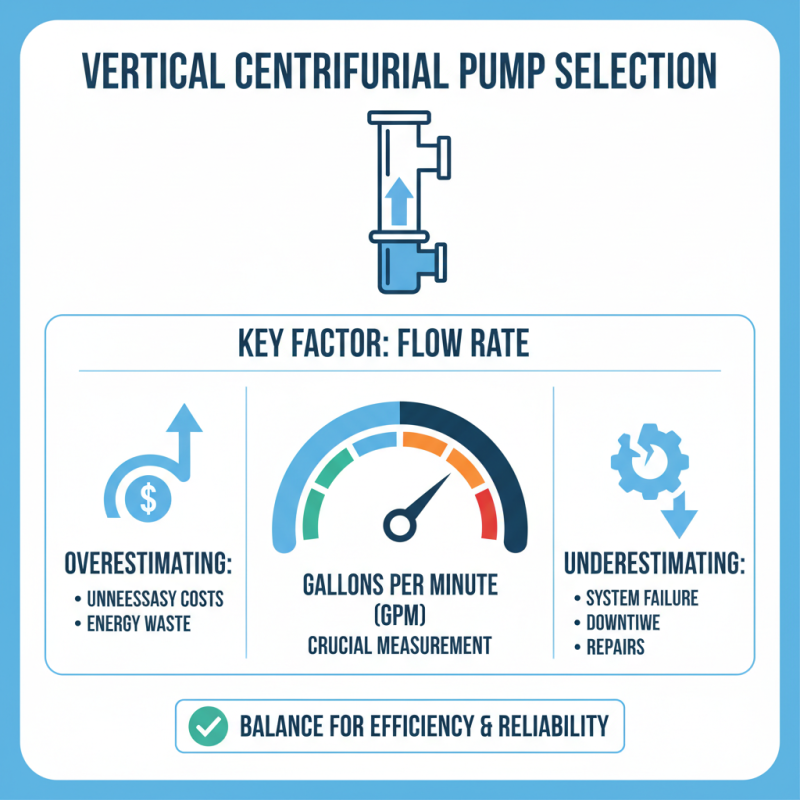
When selecting a vertical centrifugal pump, several key factors require careful consideration. Flow rate is crucial. Understand the required gallon per minute (GPM) that your system needs. Overestimating this can lead to unnecessary costs. However, underestimating it risks system failure and downtime.
Another pivotal aspect is the liquid properties. The temperature, viscosity, and chemical composition of the fluid will affect the pump's performance. For example, corrosive fluids may require specific materials for durability. It’s essential to assess operational conditions thoroughly.
Finally, think about installation and maintenance. The design must fit the available space. It should allow easy access for future maintenance. Ideally, a reliable pump will last longer, reducing the need for frequent replacements. Emphasizing these factors can improve overall efficiency and performance in the long run. Careful planning and consideration will yield better results.
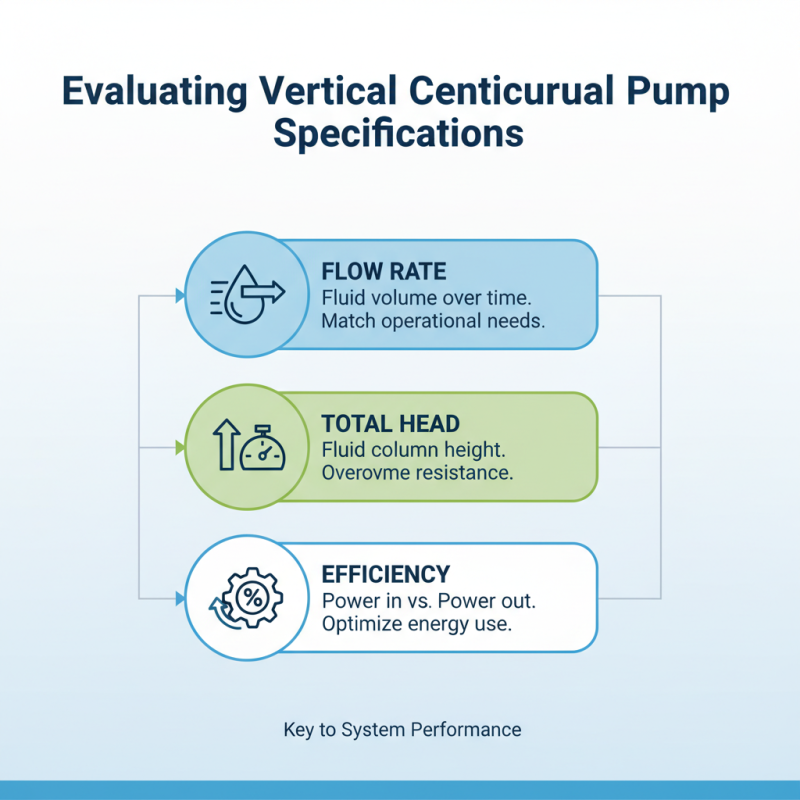
When choosing a vertical centrifugal pump, evaluating the pump specifications is crucial. Flow rate is one of the main factors. This measurement indicates how much fluid the pump can move within a certain timeframe. Knowing your required flow rate helps in selecting a pump that satisfies your operational needs. A pump with a flow rate too low may cause system inefficiencies.
Next is head, which refers to the height the pump can lift fluid. It is essential to ensure the pump can overcome the resistance in your system. Calculating the total dynamic head includes pipe losses, elevation changes, and fitting losses. A mismatch here can lead to pump failure or inadequate performance.
Efficiency is another significant consideration. This ensures energy is not wasted during operation. Higher efficiency means lower energy costs and better long-term performance. However, high-efficiency pumps may have a higher initial cost. Balancing these factors can be challenging. Always review operational conditions and maintenance needs before making your choice.
Selecting the right material for a vertical centrifugal pump significantly impacts its durability and performance. Corrosion resistance is often a priority. Many pumps face harsh environments, so choosing high-quality materials is essential. Stainless steel is popular due to its strength and resistance to rust. However, it may not be suitable for all fluids.
Another important aspect is the temperature range. Some materials perform better in extreme conditions. For example, plastics can handle certain corrosive substances but can degrade under high temperatures. This trade-off can lead to unexpected failures if not carefully considered.
Moreover, frequent maintenance is a necessity regardless of material choice. Even robust materials can wear down over time. Regular inspections can catch early signs of degradation. Choosing the right material is only part of the solution; ongoing evaluation is crucial. It's a continuous process that requires attention and adjustment.
This chart illustrates the material selection for vertical centrifugal pumps based on durability and performance characteristics. The data compares the most common materials used, their cost implications, and their relative performance ratings.
When selecting a vertical centrifugal pump, maintenance and support aspects are crucial. Regular maintenance ensures optimal performance. Pumps can wear out over time. Identifying parts that need attention is essential. The right support can prolong the pump's life and reduce costs.
Tips: Always check for a maintenance schedule. Regular checks help spot issues early. Make sure you have access to technical support. They can assist with troubleshooting and replacement parts.
Ensure the manufacturer provides reliable documentation. This should include manuals and service guides. A knowledgeable team should be available for any inquiries. It's okay if the pump has some imperfections. Understanding its quirks can lead to better handling. Keep in mind that each pump is unique. Reflections on past maintenance can help in decision-making. Trust your experience and adjust accordingly.
| Parameter | Description | Importance | Maintenance Tips |
|---|---|---|---|
| Flow Rate | The measure of the volume of fluid that the pump can move per unit of time. | High | Regularly check flow to ensure it meets system demands. |
| Head Height | The maximum vertical distance the pump can raise the fluid. | Medium | Check pressure regularly to ensure adequate head is maintained. |
| Efficiency | The ratio of the pump's hydraulic output power to the mechanical input power. | High | Investigate any unusual drops in efficiency immediately. |
| Material | The construction material of the pump, affecting durability and compatibility. | High | Inspect for corrosion or wear depending on fluid type. |
| Noise Level | The sound produced during operation, indicating possible issues. | Medium | Monitor noise for changes; unusual sounds may indicate a problem. |