Sealless Pumps for a Safer and Greener World

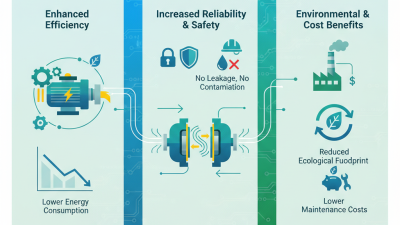
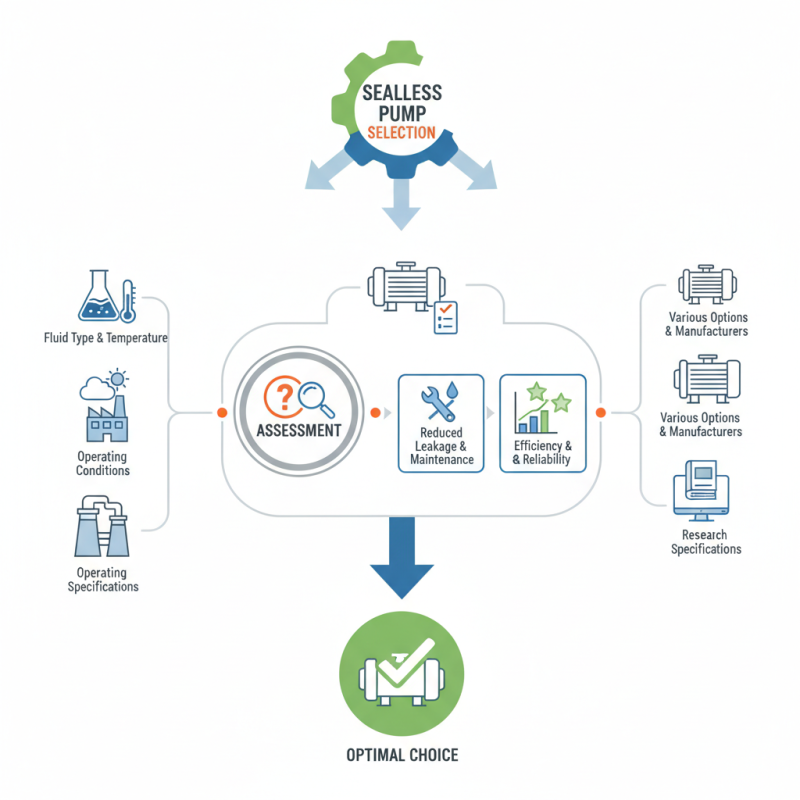
Choosing the right sealless pump can be challenging. With various options available, it's essential to understand your specific needs. Sealless pumps offer unique advantages, such as reduced leakage risks and lower maintenance costs.
When selecting a sealless pump, consider fluid type, temperature, and operating conditions. This knowledge helps in identifying the most suitable model. Many users overlook these details, leading to suboptimal choices. Each application is unique, and a pump that works for one may not work for another.
Understanding the specifications of sealless pumps is crucial. Quality and performance vary significantly among manufacturers. Doing proper research is necessary to ensure reliability and efficiency. Even minor differences can impact performance. Therefore, it’s vital to reflect on your requirements before making a decision.
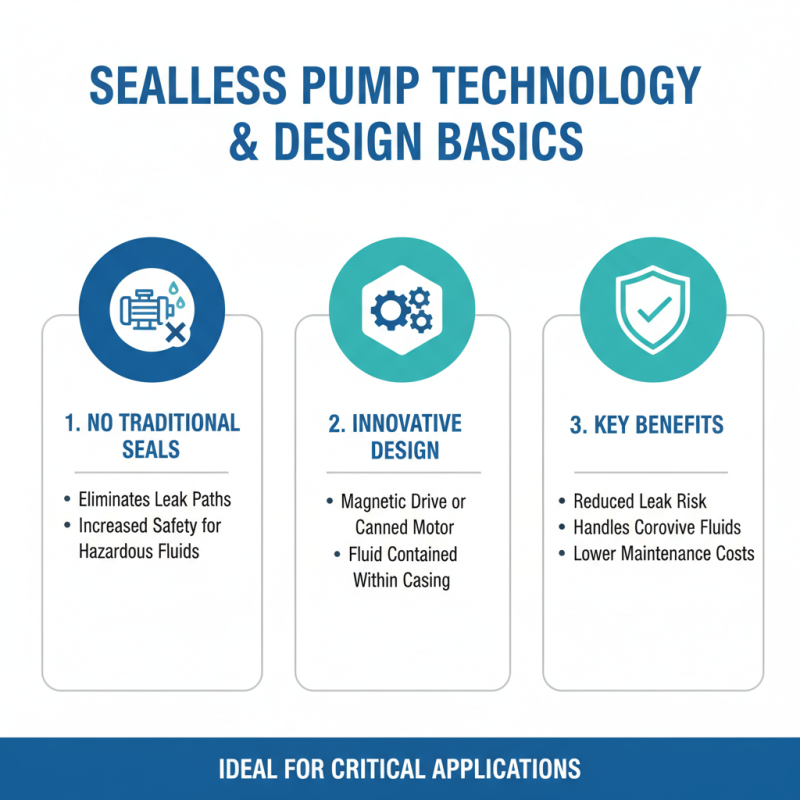
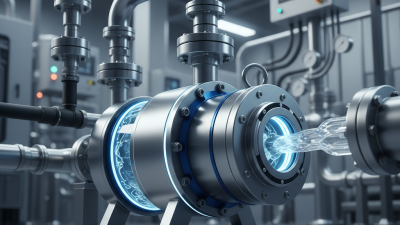
Understanding the basics of sealless pump technology is essential for making informed choices. Sealless pumps use innovative designs that eliminate traditional seals. This makes them ideal for handling hazardous or corrosive fluids. The absence of seals reduces the risk of leaks, which is a significant advantage in many industries.
When evaluating sealless pumps, consider the materials used in their construction. High-quality components can significantly affect performance and longevity. Pump design, including magnetic drive systems, offers various operational advantages. However, complexity in design can sometimes lead to maintenance challenges.
Efficiency and energy consumption are also critical factors. Sealless pumps generally provide energy savings, but their initial costs can be high. Reflect on the balance between upfront investment and long-term savings. Understanding these nuances helps users select pumps tailored to specific applications, meeting their unique requirements.
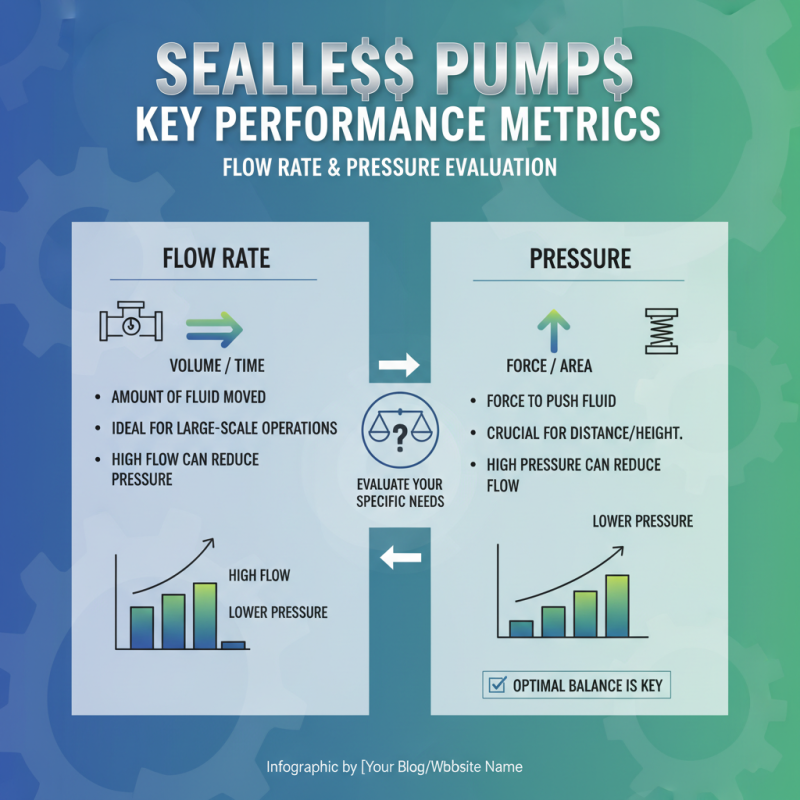
When selecting a sealless pump, understanding flow rate and pressure is crucial. Flow rate indicates how much fluid the pump can move within a given time. High flow rates are ideal for large-scale operations. However, pumping at such rates may compromise pressure. It's essential to evaluate your specific needs carefully.
Pressure plays a vital role in a pump's efficiency. It determines how effectively fluid can be transferred through systems. Low pressure can lead to inefficient operations. Conversely, excessive pressure may cause equipment failure. Optimal pressure levels vary based on application, so testing is critical.
Choosing the right pump often involves trade-offs. Sometimes, a higher flow rate comes at the cost of reduced pressure. This compromise can lead to operational challenges. It’s important to regularly assess performance metrics and make adjustments as needed. Continuous monitoring can help identify inefficiencies or potential issues early on.
When selecting a sealless pump, material compatibility is crucial. The pump must handle specific fluids without deterioration. Many industries use various chemicals, such as acids and solvents. A study by the Chemical Pump Manufacturers Association (CPMA) shows that over 30% of pump failures result from material incompatibility.
Different materials have unique properties. For instance, polypropylene is resistant to many acids but may degrade with strong oxidizers. Stainless steel, on the other hand, offers great durability but can corrode in chlorinated environments. Choosing the wrong material often leads to unexpected downtime and increased costs in maintenance.
This complexity requires careful evaluation. Each fluid’s characteristics must be matched with pump materials. Common challenges include unforeseen reactions. Conducting compatibility tests can prevent prolonged issues. Additionally, many manufacturers offer compatibility charts to assist in the selection process. However, these charts may not cover all scenarios, underscoring the importance of expert advice in this decision.
This bar chart illustrates the material compatibility ratings of various sealless pumps with different chemicals. A higher rating indicates better compatibility, which is crucial for selecting the right sealless pump for specific fluid applications.
When selecting a sealless pump, cost-efficiency and maintenance should be key considerations. Understanding the initial costs versus long-term savings is crucial. Sealless pumps may have higher upfront prices, but they often reduce maintenance expenses over time. Without seals, these pumps minimize leaks and related repairs.
Tips: Assess your budget clearly. A more expensive pump could save money down the line. Look for models that offer warranties which can indicate durability and reliability.
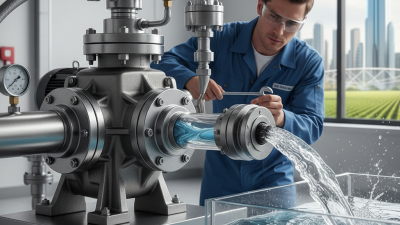
Maintenance is another crucial factor. Sealless pumps tend to have fewer components that require regular upkeep. This can significantly decrease downtime and labor costs. However, not all models perform the same under varying conditions. Some may require more frequent checks than others.
Tips: Regular inspections can prevent unexpected repairs. Document any issues you encounter. This helps in getting a better understanding of the pump's performance and longevity.
When selecting a sealless pump, regulatory compliance plays a crucial role. Different industries have specific standards governing materials, safety, and environmental impact. For instance, the American Society of Mechanical Engineers (ASME) specifies guidelines for pump design and testing. Compliance ensures that pumps meet performance expectations while reducing risks.
Many organizations use the ISO 9001 standard for quality management. Ensuring that your sealless pump meets these standards can enhance reliability. According to recent data from the Hydraulic Institute, nearly 30% of pump failures are linked to compliance issues. Therefore, understanding applicable regulations is essential for long-term success.
Tips: Engage with experts during the selection process. They can provide insights on applicable regulations. Do not underestimate the importance of regular maintenance. Even compliant pumps require checks to remain dependable. Pay attention to materials used in pump construction. Non-compliance can lead to costly penalties or environmental damage.