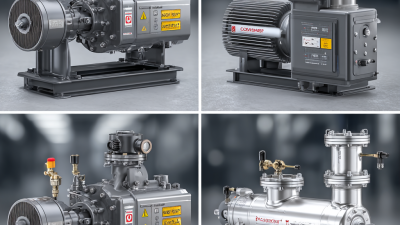
Sealless Pumps for a Safer and Greener World

When selecting chemical pumps for various applications, it’s crucial to balance efficiency and safety. Dr. John Mason, a leading expert in the chemical engineering field, emphasizes, “Choosing the right chemical pump can make or break your operational efficiency.” This statement highlights the importance of making an informed decision in this specialized area.
Chemical pumps come in various designs, such as diaphragm, gear, and centrifugal. Each type serves unique functions and operates under different conditions. Understanding the specific requirements of your application will guide you to the right choice. Consider factors like viscosity, temperature, and flow rate. These elements determine how well a pump will perform.
Additionally, quality and reliability are vital. Investing in subpar pumps can lead to increased downtime or costly repairs. Many seek low-cost options without considering long-term impacts. Reflecting on this can lead to better choices down the line. Ultimately, the goal is to ensure a smooth and efficient operational flow with the most suitable chemical pumps.
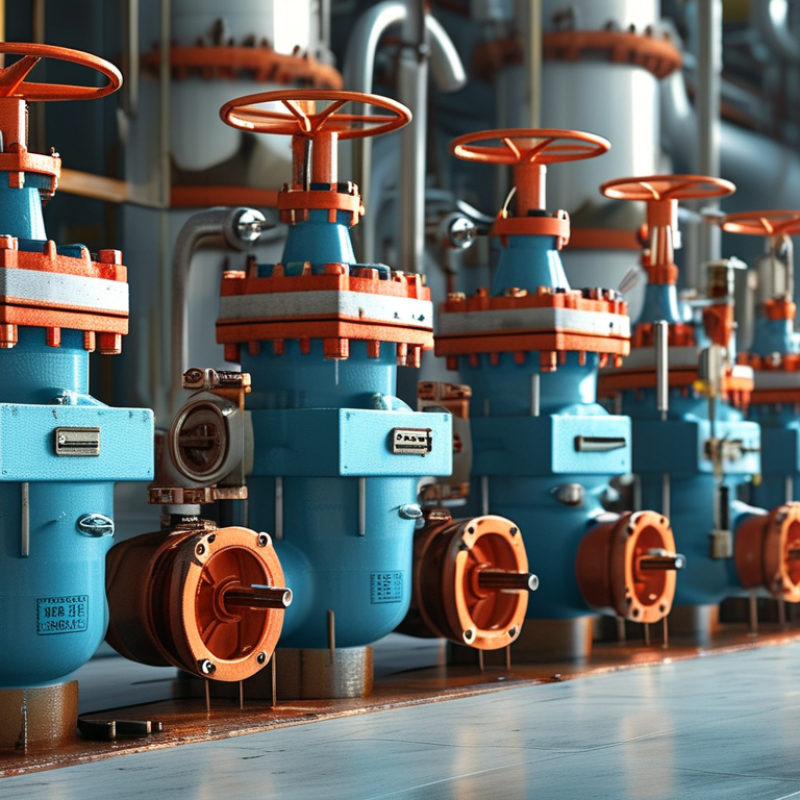
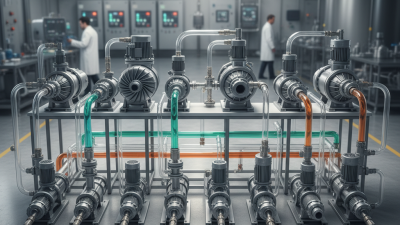
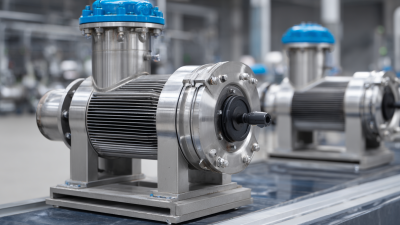
When selecting chemical pumps, understanding the various types available is crucial. Centrifugal pumps are a common choice, favored for their versatility. They work by using a rotating impeller to move liquids. This design is effective for low-viscosity fluids. However, they may struggle with slurries or viscous liquids.
Diaphragm pumps offer a different approach. These pumps use a flexible diaphragm to create a pumping action. They are often used for hazardous materials due to their leak-free design. This feature ensures safety in sensitive applications. It's important to assess how different materials can interact with the chemicals being pumped.
Peristaltic pumps, on the other hand, move fluid through flexible tubing. This method reduces contamination risk, making it ideal for biopharmaceutical applications. Yet, they can wear out quickly, necessitating regular maintenance. Evaluating your specific requirements, such as flow rates and chemical compatibility, will lead to better choices. Choosing the right pump involves weighing the pros and cons of each type, balancing efficiency against longevity.
When selecting a chemical pump, it’s crucial to consider multiple key factors. Understanding fluid characteristics is one of them. The viscosity and density of the chemicals can significantly impact pump performance. For instance, a report from the Chemical Engineering Magazine states that viscosity affects flow rate. A higher viscosity may require a pump designed for thicker liquids, while low-viscosity fluids might work well with standard models.
Compatibility is another critical factor. Materials used in the pump must withstand the chemical properties of the fluid. Corrosive substances can degrade inferior materials rapidly. According to the "Coolant Pump Market Analysis" from Industry Research, using the right materials increases durability. It shows that pumps made with stainless steel or PVC last longer in harsh environments.
Energy efficiency should also be evaluated. Inefficient pumps can lead to high operational costs. The U.S. Department of Energy indicates that optimizing pump systems saves up to 20% of energy expenses. Monitoring maintenance requirements adds value too. Regular checks ensure smooth operation and prolong lifespan. Not addressing these concerns might lead to unexpected downtimes. Careful selection aligned with these factors can result in better performance and reliability.
When selecting chemical pumps, understanding the compatibility with various chemicals and fluid properties is crucial. Chemical compatibility charts are widely available and serve as essential guides. According to a report by Chemical Engineering, nearly 30% of pump failures stem from material incompatibility. This highlights the importance of thoroughly assessing the chemicals handled by the pump.
Different fluids exhibit unique properties that affect pump performance. For instance, corrosive materials can degrade pump components, potentially leading to leaks. A study published by the American Chemical Society reiterated that pumps made from non-metallic materials perform better with aggressive chemicals. Choosing the right material can mitigate risks associated with chemical reactions and extend pump life.
Fluid viscosity also plays a significant role. High-viscosity liquids require pumps with specific designs to ensure efficient transfer. According to a report by the Hydraulic Institute, miscalculating viscosity can result in reduced flow rates and increased energy consumption. An incorrect selection can incur significant operational costs. Understanding these factors is critical for achieving the best performance from your chemical pump and ensuring operational safety.
When selecting chemical pumps, assessing flow rate and pressure is crucial. Flow rate determines how much liquid can be moved in a specific time. Different applications require varying flow rates. For example, high-viscosity fluids might necessitate slower flow to maintain efficiency. According to the Fluid Power Journal, many industrial applications operate optimally with flow rates between 10-200 gallons per minute (GPM). Knowing the exact requirements of your project will help narrow down your choices.
Pressure requirements also demand careful consideration. The pressure rating of a pump affects its ability to transport fluid through a system. For instance, a report from the Chemical Engineering Magazine notes that chemical processing plants often require pumps capable of handling pressures exceeding 100 PSI. Ensuring the chosen pump meets these specifications is crucial for operational safety and efficiency. Moreover, mismatched pressure ratings can lead to system failures and increased maintenance costs.
Understanding both flow rate and pressure allows for better compatibility with your system. However, it’s essential to consult industry guidelines and potentially engage with experts. Seek resources from reputable sources. Delving into empirical data can provide deeper insights. Make sure to evaluate your configuration and adapt as necessary. An informed choice will save time and resources in the long run.
When selecting chemical pumps, maintenance and durability are crucial factors. Regular maintenance ensures the pump operates smoothly. Failing to inspect seals and connections can lead to leaks or failures. Consider a schedule for routine checks. A good maintenance plan can prevent costly downtime.
Durability is equally important. Pumps are often exposed to harsh chemicals and environments. Choosing materials that resist corrosion and wear will enhance longevity. Evaluate the intended application. Some environments require more robust solutions. Ignoring the specific demands can lead to premature pump failure, which is a costly mistake.
The balance between maintenance and durability must be considered. A durable pump may require less frequent maintenance, yet it may not always be the right choice for every application. Each operation is unique, which means flexibility in approach is essential. Investing time in understanding these aspects can yield better performance and reliability.
| Pump Type | Material | Max Flow Rate (GPM) | Max Pressure (PSI) | Durability Rating | Maintenance Frequency |
|---|---|---|---|---|---|
| Diaphragm Pump | PTFE | 20 | 150 | High | Quarterly |
| Centrifugal Pump | Stainless Steel | 50 | 100 | Moderate | Biannual |
| Gear Pump | Carbon Steel | 30 | 200 | Very High | Monthly |
| Peristaltic Pump | Rubber | 10 | 50 | Low | Monthly |
| Submersible Pump | Nylon | 40 | 75 | High | Annual |