Sealless Pumps for a Safer and Greener World

Choosing the right pumps and motors is crucial for any business. In 2022, the global market for pumps reached $64 billion, reflecting a significant demand in various industries. Motors play a similar role, with projections indicating a steady growth rate of 5.2% in the coming years. This makes understanding your specific needs vital.
When selecting pumps and motors, consider efficiency, size, and compatibility with existing systems. Energy-efficient models can reduce operational costs by up to 30%. However, not all businesses recognize the savings potential, leading to missed opportunities. A mismatch in specifications can result in costly downtimes or overexertion of equipment.
It's essential to seek expert advice and analyze the long-term implications of your choices. Reliable automation solutions often stem from informed decisions. Many companies overlook the importance of thorough research, which can lead to regret later. In today’s competitive landscape, making informed choices about pumps and motors can define operational success.
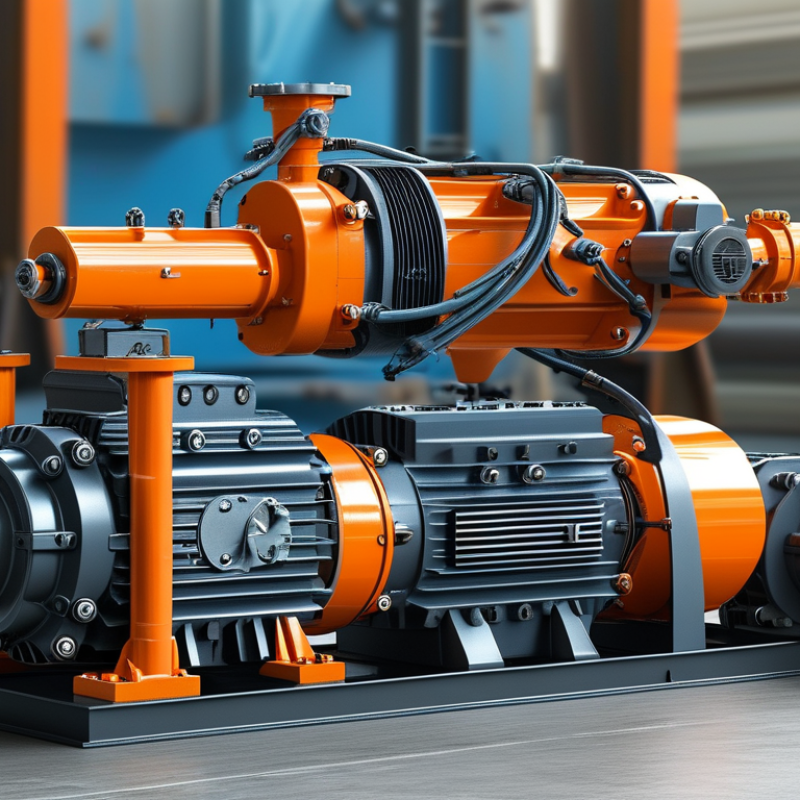
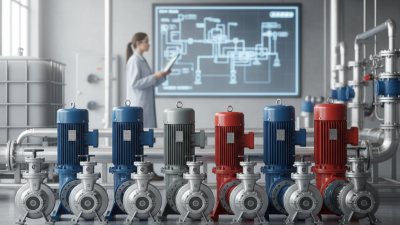
When selecting pumps and motors, understanding the available types is crucial. The industry offers various pumps, including centrifugal and positive displacement pumps. Centrifugal pumps are ideal for water applications. They typically have high flow rates. Positive displacement pumps excel in processes requiring consistent flow despite pressure changes. According to the Hydraulic Institute, around 70% of all industrial pumps fall into these categories.
Motors also come in different types, such as AC and DC motors. AC motors are favored for their efficiency and durability. They dominate the market, accounting for over 80% of all motor sales globally. DC motors offer better speed control and are commonly used in precision applications. A report by the International Energy Agency noted that optimizing motor selection can lead to energy savings of up to 30%.
Choosing the right equipment demands careful analysis. Evaluate the application requirements and environmental conditions. Consider installation space and maintenance needs. Missteps in selection can lead to inefficiencies or downtime. Understanding these elements can mitigate risks and enhance operational reliability.
This chart provides an overview of the different types of pumps and motors available in the market along with their applications. Understanding these types can help you make informed decisions for your business needs.
When evaluating the specific needs of your business operations, it's vital to consider various factors. Every industry has unique requirements that influence equipment choice. For example, the type of materials being moved can dictate the pump type needed. Liquid density, viscosity, and temperature all play a role. It's essential to assess these characteristics before selecting pumps and motors.
Tips: Understand your operational environment. Is it highly corrosive? Wet or dry? These conditions will affect the material choice for your pumps. Don't overlook maintenance needs. Regular upkeep can prolong the lifespan of your equipment, ensuring efficiency.
Think about the flow rate and pressure required. Determine how much fluid you need to move and at what speed. This is crucial for operational efficiency. If you're unsure, consult industry experts. Their insights can guide your decisions effectively.
Tips: Keep an eye on energy efficiency. This impacts long-term costs. Investing in efficient motors may have a higher upfront cost but can save on energy bills. Regularly review your needs. Business operations evolve, and so do equipment requirements.
Selecting the right pumps and motors is critical for operational success. Performance factors like efficiency, flow rates, and power need careful evaluation. Efficiency directly affects energy costs. A motor's efficiency can vary significantly, impacting your bottom line. It’s essential to calculate long-term savings by choosing high-efficiency models.
Flow rates determine how quickly a system can deliver required fluids. Ask yourself: will your operations face changes in demand? Ensuring the chosen pump can handle peak requirements is essential. This avoids equipment strain and costly downtime. Testing flow rates under various conditions can provide insights.
Tips: Always cross-check specifications against actual needs. A pump that’s too powerful can waste energy. Conversely, underpowered motors may lead to failures. Consider future expansion or modifications in your planning. Flexibility in your selection can save time and resources later. Performance can sometimes deviate from expected outcomes; real-world tests help to mitigate surprises. Be aware of the operational environment. Temperature, viscosity, and pressure affect performance. Evaluate these elements carefully.
When selecting pumps and motors for your business, maintenance and longevity are vital considerations. Regular maintenance ensures equipment runs efficiently, reducing downtime. A study by the Hydraulic Institute found that proactive maintenance can extend the life of pumps by up to 30%. Regular checks can catch early signs of wear, like leaks or unusual vibrations.
Lubrication plays a critical role in keeping pumps and motors operational. About 40% of pump failures stem from inadequate lubrication. Routine checks to ensure proper oil levels can prevent costly breakdowns. Moreover, keeping an eye on operating temperatures can help identify potential issues before they escalate.
Ignoring these factors can lead to unexpected failures. Many facilities overlook the importance of training staff on maintenance procedures. Insufficient training can lead to errors. It's essential to develop comprehensive training programs. Investing in employee knowledge pays off in the long run, keeping operations smooth and equipment reliable. A holistic approach to maintenance can significantly enhance the lifespan of pumps and motors.
| Dimension | Consideration | Impact on Longevity | Maintenance Frequency |
|---|---|---|---|
| Flow Rate | Select based on system requirements | Optimized flow extends lifespan | Monthly checks recommended |
| Material | Consider chemical compatibility | Proper materials reduce corrosion | Inspection every 6 months |
| Power Supply | Evaluate energy efficiency | Efficient motors last longer | Annual performance review |
| Size and Footprint | Ensure space availability | Correct sizing prevents strain | Evaluate during installation |
| Seal Type | Select based on application | Correct seals reduce leaks | Quarterly checks recommended |
When considering pumps and motors, the initial investment is often top of mind. The price tags can vary widely. However, a low upfront cost may lead to higher operational expenses later. Energy efficiency is crucial. A more efficient pump can save significant costs over time. This is an essential factor that should not be overlooked.
Long-term operational costs include maintenance, energy consumption, and potential downtimes. A cheaper motor might fail sooner, leading to increased repair expenses. You might spend more time and money fixing issues rather than focusing on your core business.
Therefore, it’s essential to calculate total cost of ownership, not just upfront costs.
Conducting a thorough cost analysis can seem daunting. Gathering data on energy use and maintenance history may take time. Yet, this effort pays off. It allows for informed decisions that align with business goals. Remember, the most economical choice may not be the cheapest initially. Make decisions that ensure reliability and reduce stress in the long run.