Sealless Pumps for a Safer and Greener World

Industrial centrifugal pumps play a vital role in various industries. Choosing the right pump can impact efficiency and performance. Industry expert John Smith once said, "The right pump choice can increase operational efficiency by over 30%." This statement highlights the importance of careful selection.
Efficiency in industrial centrifugal pumps depends on several factors. Flow rate, head, and energy consumption are crucial. For example, a pump that operates at high efficiency can reduce energy costs significantly. However, sometimes, companies overlook maintenance. Neglecting maintenance can lead to reduced performance. This invites unnecessary costs and downtime.
Many choose pumps based on price alone. Cost is important, but it should not be the only consideration. Understanding your process needs is essential. Also, seeking expert advice can save time and resources. A thoughtful approach leads to better outcomes in the long run. Remember, making the wrong choice can lead to inefficiencies that are hard to correct.
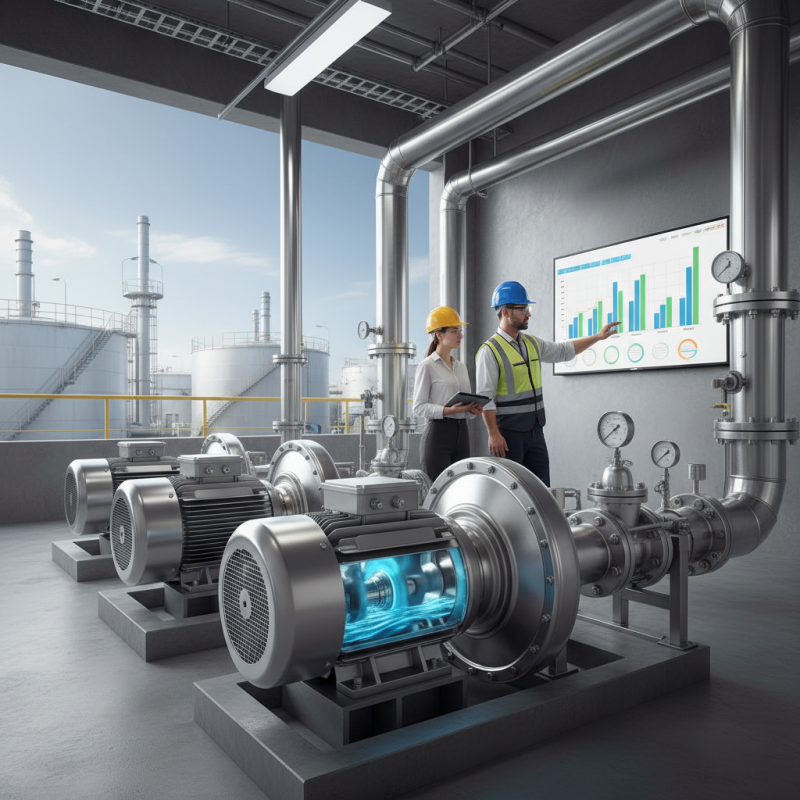
Choosing an efficient industrial centrifugal pump requires understanding various factors. The pump's design plays a key role. Specific design features impact flow rates and pressure. A well-designed impeller can significantly increase efficiency. Consider the material used too. Corrosion-resistant materials extend the pump's life.
Another important factor is the operating conditions. The fluid's properties affect pump performance. High viscosity fluids demand different specifications than water. It is crucial to adjust for temperature and pressure variations. Ignoring these factors can lead to inefficiencies and increased energy costs.
Lastly, maintenance cannot be overlooked. Regular checks help identify wear and tear. Faulty components can escalate energy usage. Investing in proper maintenance ensures optimal efficiency over time. Reflecting on these aspects fosters better choices. Every decision contributes to the overall performance and sustainability of the system.
Understanding pump performance curves is essential for selecting efficient industrial centrifugal pumps. These curves display how a pump performs under various conditions. They show flow rates against head, power consumption, and efficiency. Reading these curves correctly can prevent costly mistakes in selection.
When analyzing performance curves, look for key factors. Identify the best efficiency point. This is where the pump operates most effectively. However, not all applications will run at this point. Real-world conditions vary, potentially leading to lower efficiency. Pushing the pump too far can increase wear and tear. It’s crucial to match the pump to the system requirements accurately.
Consider the implications of ignoring performance curves. Misjudging flow rates can result in underperformance. Over-sizing may lead to higher energy costs. You might face operational challenges, such as vibration or cavitation. These issues can affect system reliability and longevity. Always question if the selected pump genuinely suits the application. Doing so can save resources and ensure sustainable operations.
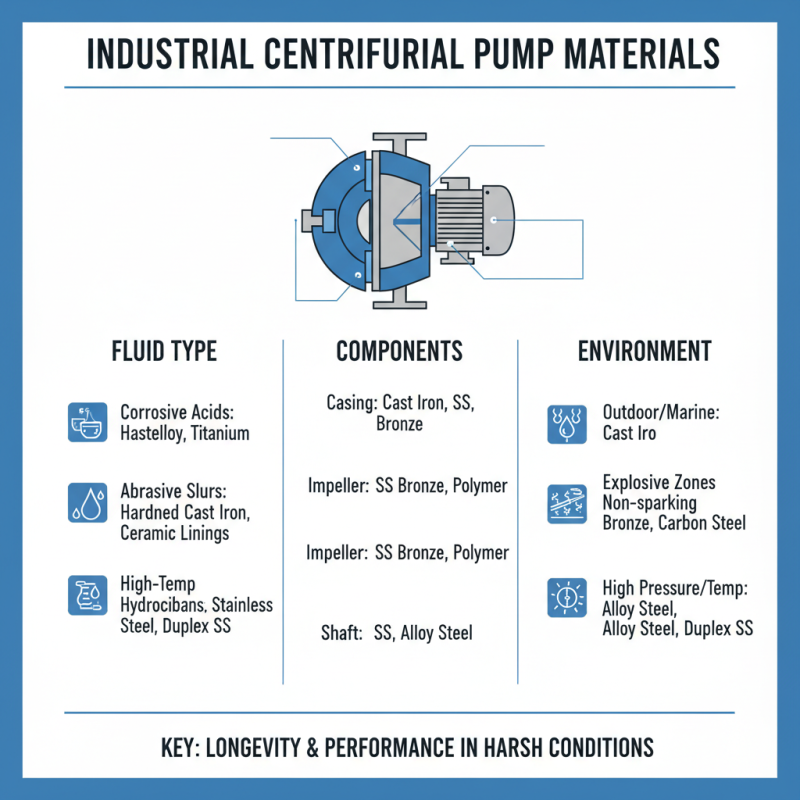
Choosing the right materials for industrial centrifugal pumps is crucial. The construction significantly influences both longevity and performance. Pumps are often exposed to harsh conditions. Selecting materials that can withstand these conditions extends their service life.
Common materials include stainless steel and cast iron. Stainless steel resists corrosion and is ideal for aggressive liquids. Cast iron offers durability but may corrode over time. A pump made with the wrong material can fail prematurely. It’s vital to assess the specific application when selecting materials. Ignoring this step often leads to increased maintenance costs.
Beyond the basic materials, the manufacturing quality matters too. Joints, seals, and coatings can all affect reliability. Some pumps may have poorly fitted components, leading to leaks. Regular inspections and proper materials help avoid these issues. Paying attention to details in material selection can significantly improve pump efficiency.
When selecting industrial centrifugal pumps, the impeller design plays a crucial role in efficiency. The impeller is what drives the fluid movement. A well-designed impeller can significantly enhance the pump's performance. Consider the shape and blade angle. These factors impact flow rates and energy consumption. An optimized impeller minimizes turbulence, leading to smoother operation.
Tips for choosing the right impeller design include analyzing the fluid characteristics. Viscosity, density, and temperature all affect pump efficiency. Matching the impeller with these attributes is essential. For instance, a high-viscosity fluid requires a different impeller than water. If your design isn’t compatible, you may experience cavitation or reduced flow.
Another consideration is the material of the impeller. A durable, corrosion-resistant material can extend lifespan. However, this can increase costs. Reflect on your budget versus performance needs. Sometimes, a less expensive option could meet your efficiency goals without costly maintenance. Always take time to test different designs before committing. This helps identify potential issues in real-world applications. Aim for a balance between efficiency and durability for the best results.
This chart illustrates the efficiency of various impeller designs used in industrial centrifugal pumps. The data indicates that backward curved impellers provide the highest efficiency, while axial impellers have the lowest. Understanding these differences helps in selecting the appropriate pump for specific applications to maximize efficiency.
When selecting industrial centrifugal pumps, energy consumption metrics play a significant role in optimizing efficiency. According to a report by the Hydraulic Institute, the total cost of operation for pumps often exceeds the initial purchase price by two to ten times over the equipment's life. Understanding how to measure and reduce energy consumption can lead to substantial savings.
Efficiency ratings, such as the Pump Efficiency Index (PEI), provide valuable insights. A higher PEI indicates better performance and lower energy use. On average, improving pump efficiency by just 1% can save up to 3% in energy costs. It’s essential to regularly assess the pump's operational performance against these metrics to identify areas for improvement.
Tip: Monitor the system's pressure and flow rates frequently. This helps in identifying inefficiencies early on. Sometimes, minor adjustments can make a significant difference. Additionally, avoid over-sizing pumps; it may lead to lower efficiency and higher operational costs.
Remember, not all pumps perform equally under various conditions. Test your systems under real operational scenarios rather than simulated environments. This practical assessment may reveal unexpected issues.