Sealless Pumps for a Safer and Greener World

In the industrial sector, choosing the right valve is crucial for ensuring efficiency and reliability in operations. Renowned expert Dr. Emily Zhang, a leader in valve technology, once stated, “Gate Valves offer unparalleled performance in high-pressure applications.” This highlights the significant role that gate valves play in various industries.
Gate valves are designed to provide a straight-line flow of media, minimizing pressure drop and turbulence. Their construction allows for a full opening or closing, ensuring that flow is either unrestricted or completely halted. Often used in water supply, oil transport, and chemical processing, these valves demonstrate durability and strength. However, not all gate valves are created equal. Choosing the right material and size is vital for achieving optimal performance.
Despite their benefits, gate valves have limitations. They are not suitable for throttling applications, as that can cause damage. Users must also consider maintenance needs to prevent leaks and blockages. Failing to do so can result in costly downtime. As industries evolve, the demand for reliable, high-performing gate valves continues to grow. Understanding their role in specific applications is essential for making informed decisions.
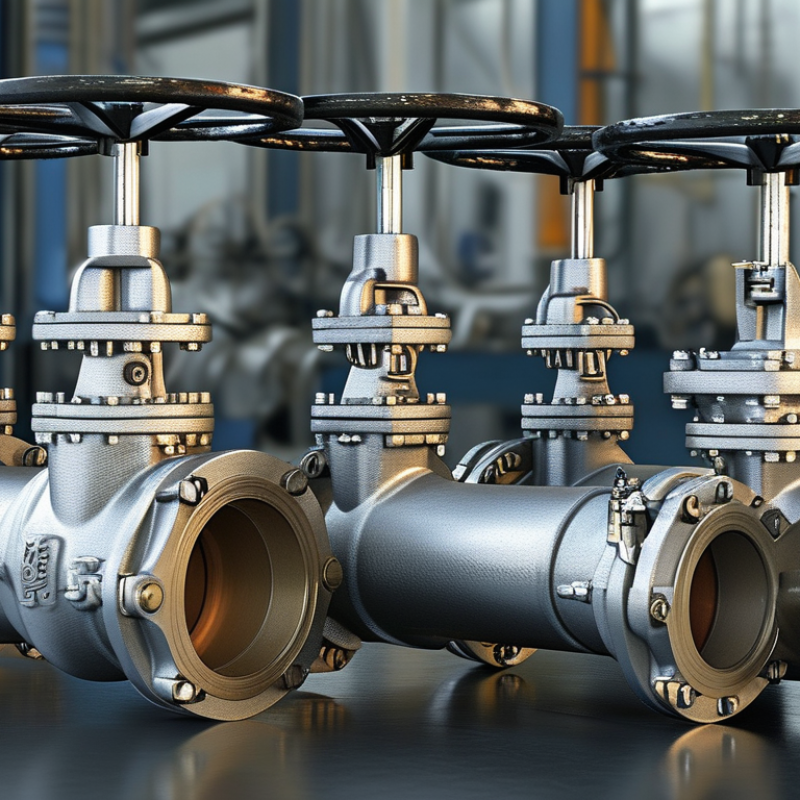
Gate valves have become a preferred choice in industrial applications for several reasons. One key benefit is their ability to provide a straight-line flow of fluid, minimizing pressure loss. This direct flow path allows for efficient operations, making them ideal for applications like water and gas distribution.
In addition to flow efficiency, gate valves are known for their durability. They can handle high pressure and temperature variations, which are common in industrial settings. This robust construction often translates to longer service life and reduced replacement costs. However, users must regularly inspect these valves. Excessive wear, particularly in harsh conditions, can lead to failures.
Another aspect to consider is their design, which offers less turbulence. This is crucial in processes that require precise control over fluid dynamics. Yet, ensuring that the gates are fully opened or closed is essential. Partial openings can cause issues like cavitation, leading to potential damage. A thorough understanding of operational requirements is important for making the right choice.
Gate valves are essential components in industrial systems. Their design allows for efficient flow control. One key feature is their ability to provide a straight-line flow path. This minimizes turbulence and pressure loss. A report by the International Society for Automation indicates that gate valves offer up to 90% flow efficiency in specific applications.
Another notable feature is durability. Gate valves are often constructed from robust materials like cast iron and stainless steel. These materials withstand high pressures and temperatures. According to the American Society of Mechanical Engineers, proper selection of materials can extend the valve's lifespan significantly. Regular maintenance is still necessary, as wear can lead to performance deterioration.
However, some challenges arise. Gate valves may not be the best choice for frequent throttling. They are designed for on-off applications. Excessive cycling might lead to sealing issues. It's essential to assess specific needs before making a selection. Understanding the operational environment can also guide the decision-making process for optimal long-term performance.
Gate valves serve distinct purposes in industrial settings. They are designed primarily for on/off control. Compared to ball valves, which offer quicker operation, gate valves excel in full flow applications. This feature becomes crucial in systems where minimizing pressure drops is essential. Gate valves provide a straight-line flow path, reducing turbulence.
When placed alongside globe valves, gate valves have notable advantages. Globe valves are better suited for throttling flow, but they introduce greater pressure loss. This can be a drawback in large pipe systems where gate valves can fully open or close without creating significant resistance.
Despite their advantages, it’s important to remember that gate valves are not foolproof. They may require more space for operation compared to other types. Maintenance can also be tricky, as debris can affect performance. Regular checks ensure they function effectively, addressing potential issues before they escalate.
This chart compares the performance ratings of different valve types, showing that gate valves outperform others in efficiency and functionality for industrial applications. With a rating of 9, gate valves are preferred for their ability to fully open or close, allowing for unrestricted flow.
Gate valves are integral to various industrial applications. They enable the precise control of fluid flow. However, maintenance of these valves often becomes an overlooked aspect. Regular inspections can prevent unexpected failures.
According to a recent industry report, unplanned downtime due to valve failure can cost companies up to $250,000 per hour. This emphasizes the need for proactive maintenance practices. Routine checks can identify wear and tear before it leads to significant issues. Operators should focus on the sealing surfaces, as they are critical for preventing leaks.
Another point to consider is the environment in which gate valves operate. Exposure to extreme temperatures or corrosive substances can accelerate wear. Implementing a systematic maintenance schedule can prolong the lifespan of these valves. Yet, many facilities still neglect this crucial task, risking operational efficiency. Regular training and audits can enhance awareness and improve reliability in valve performance.
Gate valves play a crucial role in various industries. They are widely used in water supply, oil and gas, and wastewater treatment. These sectors benefit from gate valves' straightforward design and reliable performance. Water treatment facilities utilize gate valves to control flow efficiently. This helps maintain water quality and ensures safe supply.
In the oil and gas industry, gate valves are essential for isolating sections of pipelines. Their ability to create a tight seal is vital for safety. However, they require regular maintenance to prevent wear and tear. Without proper care, they may fail to function as intended. This can lead to costly repairs and downtime.
Wastewater treatment facilities also depend on gate valves. They help manage the flow of contaminated water. However, operators must be vigilant in monitoring their condition. Over time, gate valves can accumulate debris, impacting performance. Addressing these issues promptly can prevent larger problems down the line.
| Industry | Application | Advantages of Gate Valves |
|---|---|---|
| Oil and Gas | Shut-off applications in pipelines | Low pressure drop and full flow capability |
| Water Treatment | Control of water flow in treatment facilities | Reliable sealing and minimal turbulence |
| Power Generation | Steam and water systems | Durability and resistance to high temperatures |
| Chemical Processing | Flow control for various chemicals | Excellent corrosion resistance with proper materials |
| Mining | Bulk material handling systems | Robust design suitable for harsh conditions |



