Sealless Pumps for a Safer and Greener World

Choosing the right Power Phase Converter can be challenging. The demand for efficient power conversion is increasing. According to a recent report by the Electric Power Research Institute, over 25% of industrial users require multi-phase power systems to optimize operations. This highlights the significance of understanding your specific needs for a Power Phase Converter.
Industry expert, Dr. Emily Rosen, states, "Selecting the correct Power Phase Converter is crucial for maintaining operational efficiency in multiple-phase setups." Her insights underline the necessity for tailored solutions. Companies often overlook how different configurations affect performance. A one-size-fits-all approach can lead to inefficiencies and increased costs.
In a market filled with options, knowledge is power. It’s essential to consider factors like load requirements and equipment compatibility. The wrong choice could result in downtime and financial losses. As the industry evolves, staying informed is vital. Potential buyers must also navigate various specifications and terminologies used in the industry. This journey may feel overwhelming, but informed decisions lead to lasting benefits.
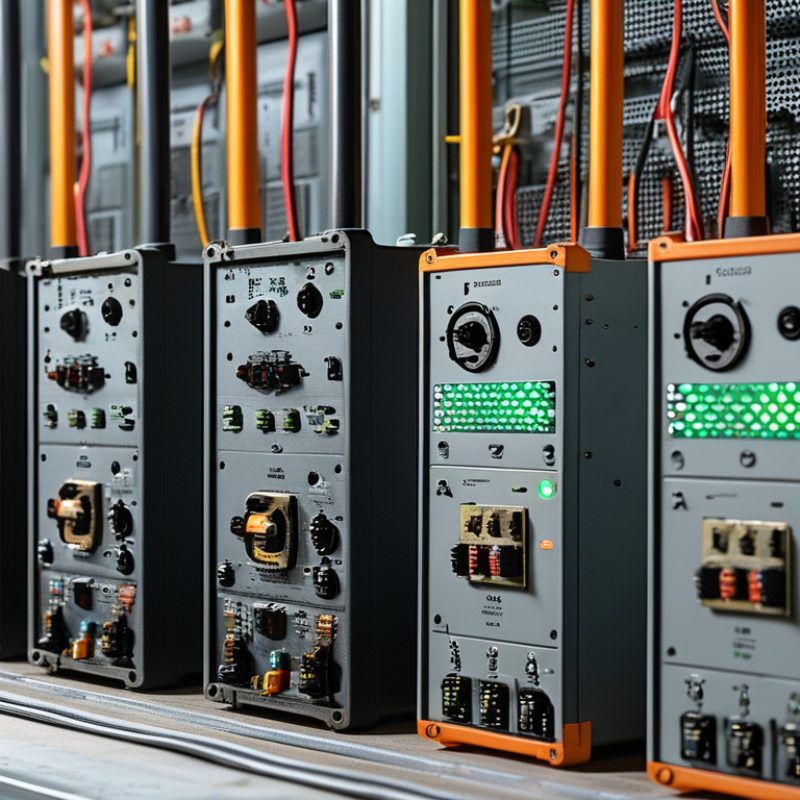
Power phase converters are essential tools for many industrial and commercial applications. They convert single-phase power into three-phase power, allowing equipment designed for three-phase systems to function properly. Understanding how these converters work is crucial for making informed decisions. A basic knowledge of electrical systems will help you grasp their significance.
Different types of power phase converters exist, including rotary and static models. Rotary converters are generally more efficient and provide smoother power delivery. However, they are bulkier and more complex than static converters. Static converters are simpler, cost-effective, and easier to install, but they may not handle high loads as efficiently. Assessing your equipment's requirements is key in this decision-making process.
Choosing the right converter is not just about the load. You also need to consider factors like voltage and phase balancing. Miscalculating these can lead to equipment failure or inefficiency. Some may overlook this, leading to costly repairs. It is advisable to consult with experts to ensure proper selection. A reliable choice will ultimately enhance productivity and protect your investment.
| Converter Type | Power Rating (kW) | Phase Conversion | Efficiency (%) | Application Areas |
|---|---|---|---|---|
| Rotary Phase Converter | 5-20 | Single to Three Phase | 90-95 | Woodworking, Metalworking |
| Static Phase Converter | 2-15 | Single to Three Phase | 80-90 | HVAC, Compressors |
| Digital Phase Converter | 10-50 | Single to Three Phase | 95-98 | Industrial Machinery |
When selecting a power phase converter, it's essential to understand the different types available. Each type serves specific applications. The most common variety is the static phase converter. It works by using capacitors to create a phase shift. This type is simple and cost-effective. However, it may not provide the same starting torque as other options.
Another popular option is the rotary phase converter. This device delivers balanced three-phase power from a single-phase source. It operates using a generator and is ideal for running three-phase motors continuously. Users often appreciate its ability to handle heavy loads. Yet, it requires maintenance, which can be a drawback for some.
Digital phase converters are a more recent development. They offer advanced technology with precise control over voltage and frequency. This type can adapt to varying loads, which improves efficiency. However, they tend to be more expensive and complex. Many users may find troubleshooting challenging. Evaluating these types based on your specific needs is crucial for making an informed decision.
Selecting the right power phase converter requires careful consideration of several factors. The total power requirement is crucial. A report by the Electrical Engineering Society indicates that 75% of equipment failures stem from insufficient power supply. Ensure your converter meets or exceeds your equipment's demand.
Voltage compatibility is another significant aspect. Many machines operate on specific voltages. Using the wrong voltage may lead to inefficiency. Furthermore, converter efficiency matters—a study from the Industrial Energy Efficiency Association found that high-efficiency converters can reduce energy costs by up to 30%.
The number of phases required also plays a role. Single-phase and three-phase systems serve different applications. Knowing which type fits your needs can save time and money. Lastly, consider the environment where the converter will operate. Dust, humidity, and temperature variations can impact performance. Failing to account for these factors could lead to unexpected breakdowns.
When selecting a power phase converter, understanding your power requirements is crucial. Assess what voltage and phase configuration your equipment requires. Many industrial machines need a specific phase to operate efficiently. Pay attention to the horsepower rating of your machinery as well. This direct relationship can guide you in choosing the right converter.
Consider the total power load you will be running simultaneously. Calculate the combined wattage to ensure the converter can handle this demand. If the load fluctuates, the converter may require a bit more capacity than the average you’ve measured. Some users underestimate their peak power needs, leading to system failures. Planning for these contingencies can save time and money.
Keep in mind that factors like startup surges can affect the required capacity. Some devices draw more power when starting up. It’s wise to account for these variations. Testing your current setup can reveal unexpected deficiencies. Reflecting on your unique application will lead you toward a more reliable power converter choice.
Installing and maintaining a power phase converter requires careful consideration. Begin by assessing your equipment needs. A poorly chosen converter can lead to inefficiencies. Choose a converter that matches your load requirements and voltage specifications. This minimizes energy loss and prolongs the converter's lifespan.
For installation, ensure proper alignment and grounding. Inadequate grounding can cause electrical noise or equipment damage. Regular inspections are crucial. Check connections and components for wear. According to a recent industry report, about 30% of converters fail due to neglect in maintenance. Keeping a maintenance log can help track performance and identify potential issues early.
Tips for maintenance include keeping the converter clean and free from debris. Dust can hinder cooling, leading to overheating. Additionally, consider using a surge protector. It safeguards against voltage spikes, a common cause of converter failure. Lastly, if you notice unusual sounds or smells, address these issues immediately. Ignoring them can lead to bigger problems down the line.



