Sealless Pumps for a Safer and Greener World

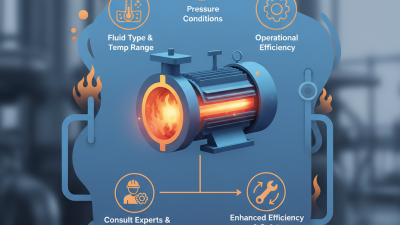
A high temperature pump is more than a standard pump exposed to hotter fluid. Heat can thin lubricants, stress seals, expand clearances, and challenge materials over long operating cycles. For buyers comparing China’s top 10 high temperature pump manufacturers, the useful question is not simply who has the longest product list. It is who can match the pump design to the fluid, temperature, pressure, flow rate, and installation conditions. Details matter. A casing that looks robust in a catalogue still needs suitable metallurgy, sealing arrangements, and thermal management for the actual duty.
Machinery reliability authority Heinz P. Bloch has emphasized the importance of designing for dependable operation. A practical paraphrase of that principle is: “Reliability begins with correct selection, installation, and maintenance—not the nameplate alone.” This is a paraphrase, not a verbatim quotation. It reflects an important point for industrial buyers: pump performance depends on the whole operating system. Request material specifications, performance curves, test records, and clear service guidance before comparing suppliers. Ask how each manufacturer handles startup, temperature changes, and wear parts. No ranking is perfect. A supplier’s strengths may suit one process and not another. The following overview considers product capability, manufacturing experience, technical support, and evidence buyers can assess, helping readers build a more informed shortlist.
High-Temperature Pump Basics: Operating Limits, Designs, and Applications
A high-temperature pump must handle more than hot liquid. Temperature affects viscosity, vapor pressure, clearances, seals, and casing expansion. There is no single safe temperature limit for every pump. The allowable range depends on the fluid, materials, pressure, speed, and operating conditions. Check the manufacturer’s documented limits for the complete pump assembly, not just its casing.
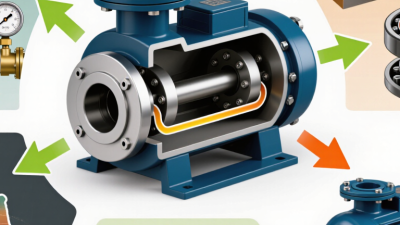
Design choices matter. Metal components need suitable thermal expansion allowances, while shaft seals and bearings need protection from excessive heat. Some installations use a cooling jacket or a seal-flush plan to control temperatures near sensitive parts. Suction conditions deserve close attention: hot liquids can vaporize more readily, increasing cavitation risk. Verify available NPSH against the pump’s requirement, with an appropriate margin. Details matter.
These pumps serve thermal-oil systems, refineries, chemical processing, and industrial heat-transfer loops. Before selection, confirm the fluid’s temperature, viscosity, vapor pressure, and compatibility with wetted materials. Operating procedures matter too. Warm the pump gradually, avoid sudden temperature swings, and monitor vibration, leakage, and bearing temperature during start-up. A specification can look complete while overlooking a brief start-up condition. That deserves a second look. The right design is the one that stays within its limits during real operating cycles, not only at steady state.
A practical review of China’s top ten high-temperature pump manufacturers should compare engineering capability, not just catalogue size. Their profiles typically cover hot-water circulation, boiler-feed service, thermal-oil transfer, and chemical-process duties. Product specialties differ in seal design, metallurgy, temperature range, and maintenance access. Fit matters. A pump handling 250°C thermal oil needs different materials and sealing than one circulating hot water. Without independently verified ranking data, “top ten” should be treated as a market comparison, not a strict league table.
The U.S. Department of Energy’s Improving Pumping System Performance guide reports that pumping systems can use 25–50% of the energy consumed in some industrial facilities. This makes efficiency, operating curves, and motor matching important profile details alongside maximum temperature. Ask suppliers for test conditions, permitted operating range, and material specifications. A polished brochure is not test evidence. The DOE figure describes some facilities; it is not a China-specific market statistic.
Tips: Compare head, flow, fluid properties, and continuous operating temperature. Request performance data at your actual duty point, and confirm seal and bearing service intervals. Small gaps in documentation can matter.
When comparing China’s high-temperature pump manufacturers, start with the duty point, not the largest numbers. Flow, measured in m³/h, should match process demand at normal and peak conditions. Head, in metres, must cover elevation, pipe friction, and pressure losses; a catalog maximum can mislead. Check that flow and head appear together on a performance curve. They are not independent promises. Temperature ratings matter just as much.
Tips: Request a curve for the intended liquid temperature and viscosity. Confirm whether the temperature limit applies continuously or only briefly. Ask for material details, seal configuration, and test conditions in writing. Small details count.
A pump handling 180°C water may behave differently with hot oil or a thicker fluid, even at the same flow. Compare the required operating point with the curve, then check motor power and NPSH margin. If a supplier gives only maximum flow, maximum head, and maximum temperature, request paired data before ranking options. This extra step takes time. It can prevent an undersized or overheated selection. Ratings are most useful when test conditions resemble the plant, and that match is sometimes imperfect.
Compare representative pump duty points by flow, head, and temperature. Each bubble represents a generic pump configuration, not a manufacturer or brand.
Bubble size indicates temperature. Values are illustrative reference points for common pump configurations, not certified product ratings or a manufacturer ranking; actual limits depend on the specific design, materials, fluid, and operating conditions. Confirm ratings with the relevant product datasheet.
API 610 and API 682 set complementary expectations for high-temperature pump packages. API 610 addresses centrifugal pump design, construction, and testing for demanding process services. API 682 covers mechanical seals and their support systems. One defines the pump; the other addresses leakage control at the shaft. Both matter.
Heat is unforgiving. Engineers should check operating temperature, pressure, thermal growth, seal-face materials, and support-plan suitability against actual process conditions. The U.S. Department of Energy’s Improving Pumping System Performance sourcebook reports that pumping systems account for nearly 20% of the world’s electrical energy demand. That figure makes efficient selection important, but efficiency cannot replace reliability. A package may meet a standard and still perform poorly if it routinely operates far from its design point. That detail is easy to miss.
Tips
Confirm the specified API editions and service limits in the purchase documents. Ask for test records, seal-plan drawings, and temperature-rated material details. Check alignment after piping is connected; pipe strain can shift a carefully set pump. Keep operating data, too. Without it, troubleshooting becomes guesswork.
When comparing China’s high-temperature pump manufacturers, check materials against the actual fluid, temperature, and pressure—not just a catalog’s maximum rating. Stainless steel may suit some clean process liquids, while corrosive or abrasive fluids may require different alloys or hardened components. Ask for material certificates and confirm the casing, shaft, and seal arrangement can tolerate thermal expansion. Small details matter. A seal that performs well during a cold inspection may behave differently after repeated heat cycles.
Request the NPSH3 value in meters at your specified flow, speed, and liquid temperature. NPSH3 marks the point where pump head drops by three percent; it is not a guarantee of cavitation-free operation. Compare it with available NPSH at the installation, allowing a practical margin for changing suction conditions. Test evidence should identify the standard, measured duty points, instrument calibration, and whether testing was performed with water or a representative liquid. A tidy test sheet is useful, but it may not reflect your plant’s piping. Check whether hot-running tests are available. Also ask about commissioning advice, spare-part lead times, troubleshooting response, and clear maintenance instructions. Support can be vague. Get the scope in writing before purchase.