Sealless Pumps for a Safer and Greener World

China has become a major production base for shared charging equipment and smart rental infrastructure. This article introduces ten leading Power Bank Rental Station manufacturers in China, based on practical market considerations rather than advertising claims.
The review examines manufacturing experience, product durability, software integration, and after-sales support. It also considers station capacity, charging speed, screen visibility, payment compatibility, and deployment flexibility. A reliable station should work in busy restaurants, hotels, shopping centers, airports, and entertainment venues. Details matter. A loose cable or unclear return instruction can quickly affect customer trust.
The selected manufacturers may serve different business models. Some focus on compact stations for cafés and small stores. Others provide large units with remote monitoring, customized branding, and international shipping experience. Their strengths may differ across hardware, software, pricing, and maintenance response. No supplier is perfect. Product performance can change between batches, and online specifications may not reflect daily operating conditions.
For this reason, the comparison encourages buyers to verify samples, warranty terms, firmware support, replacement procedures, and local service capacity. Test the station before deployment. Ask how quickly faults are resolved. Confirm whether the management platform provides accurate usage data and practical alerts. These steps can reveal weaknesses that product brochures often overlook.
This guide is designed for distributors, venue operators, investors, and technology partners seeking dependable Chinese suppliers. The ranking should be treated as a useful reference, not an absolute verdict. Actual suitability depends on budget, market location, user volume, and operational goals.
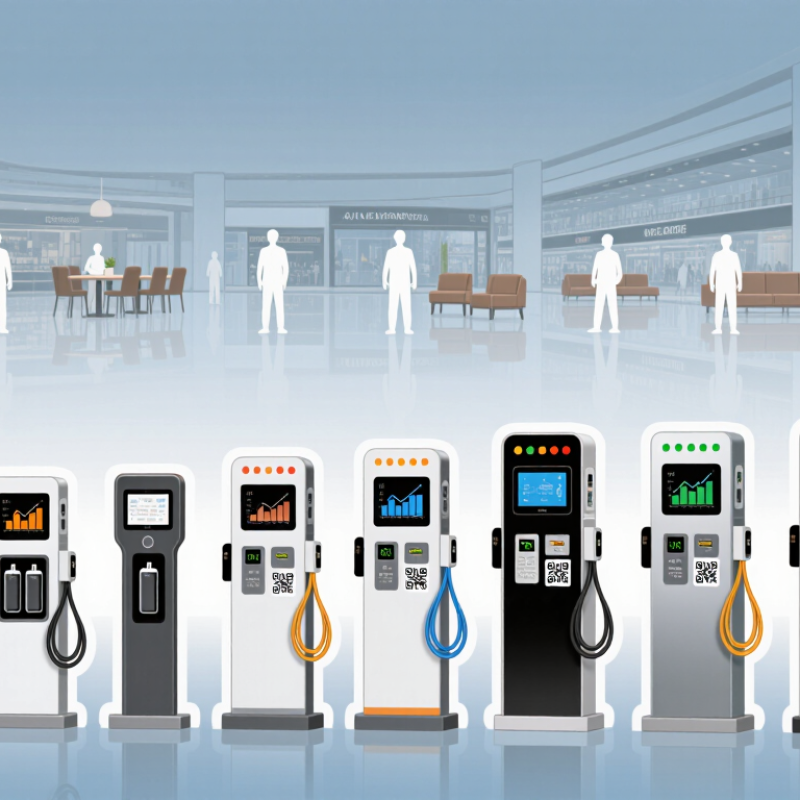
A power bank rental station is a compact charging kiosk placed in public spaces. It stores several portable batteries in locked slots. Users can borrow one when their phone battery drops unexpectedly. Common locations include shopping centers, airports, cafés, hotels, and transport hubs.
The process is simple. A user scans the station’s QR code with a phone. The system verifies the rental request and payment details. One slot unlocks, and the battery can be removed. Most units include USB-C, Lightning, or other supported connectors. During use, the battery supplies power while the customer continues walking. The user returns it to an available station, sometimes in another location. Sensors record the return and update the rental status.
Reliable manufacturers focus on more than appearance. They test battery capacity, charging temperature, connector strength, locking parts, and payment integration. In practical site checks, poor placement often causes problems. A kiosk hidden behind a column may be technically functional but commercially weak. Software can also display an empty slot when a battery is still inside. That issue needs careful maintenance.
The model is convenient, but not perfect. Customers may forget to return the unit. A damaged cable can create frustration. Clear instructions, visible pricing, secure housings, and responsive support improve trust. Operators should also inspect batteries regularly and replace units that show swelling, overheating, or reduced performance.
Manufacturer-neutral comparison of common power bank rental station configurations and operating features
| Profile | Station Capacity | Typical Power Bank Specification | Integrated Connectors | Charging Interface | Connectivity | User Access Method | Typical Application | How the System Works |
|---|---|---|---|---|---|---|---|---|
| 01 | 4–6 slots | 5,000 mAh lithium-ion battery; approximately 18.5 Wh at a nominal 3.7 V | USB-C, Lightning-compatible, and Micro-USB cables | USB-C input; approximately 5 V/2 A per charging channel | Wi-Fi or wired Ethernet | QR-code scan and mobile web payment | Small cafés, salons, and reception areas | The user scans the station code, selects an available unit, and the electronic lock releases it. |
| 02 | 8–10 slots | 5,000–6,000 mAh; generally designed for one full smartphone recharge | Retractable USB-C, Lightning-compatible, and Micro-USB cables | Multi-channel AC charging with overcurrent protection | 4G cellular or Wi-Fi | QR code, web checkout, or embedded mini-program | Restaurants, coffee shops, and entertainment venues | The platform records the rental transaction, identifies the bay, and tracks the power bank until return. |
| 03 | 12–16 slots | 5,000 mAh; lithium-ion cells with battery-management circuitry | Three common mobile-device cable types | Centralized charging board with temperature monitoring | 4G, Wi-Fi, or dual-network connectivity | QR-code rental with digital deposit authorization | Shopping centers, cinemas, and food courts | Cloud software verifies availability, authorizes payment, and sends an unlock command to the selected bay. |
| 04 | 20–24 slots | 5,000–10,000 mAh options; higher-capacity units are physically larger | USB-C and legacy mobile-device connectors | High-density AC charging with individual slot detection | 4G cellular with remote diagnostics | QR code, payment page, or venue application | Large restaurants, malls, and transport terminals | Sensors report slot occupancy, charging status, temperature, and return events to the management platform. |
| 05 | 30–36 slots | 5,000 mAh standard rental units with LED or digital status indicators | Integrated multi-standard charging cables | Modular power supply with short-circuit and overheat protection | 4G cellular; optional Wi-Fi fallback | QR code and contactless digital payment | Nightlife venues, convention centers, and event spaces | Users may return the unit to any compatible station connected to the same operating network. |
| 06 | 40–48 slots | 5,000–6,000 mAh units with cell-level protection and charge balancing | USB-C, Lightning-compatible, and Micro-USB | Multi-module charging system with replaceable power modules | 4G IoT connection with cloud monitoring | QR code, account login, and electronic payment | Airports, railway stations, and high-traffic public facilities | A centralized dashboard monitors inventory, faults, rental duration, and charging performance across multiple locations. |
| 07 | 8–12 slots with display | 5,000 mAh; output commonly limited by the cable and power-management circuit | Multi-standard cables with automatic output negotiation | USB-C charging input and controlled DC distribution | Wi-Fi or Ethernet | Touch display, QR code, or mobile web page | Hotels, hospitals, campuses, and service counters | The display can show rental instructions, station status, pricing information, and return guidance. |
| 08 | 16–24 slots with advertising panel | 5,000 mAh; removable units designed for repeated rental cycles | USB-C and common smartphone connectors | Central charging system with independent bay control | 4G or Wi-Fi | QR-code access and online payment | Retail stores and commercial property locations | The station combines battery rental with digital or static advertising displayed on its front panel. |
| 09 | 24–36 outdoor-capable slots | 5,000–6,000 mAh; enclosure and battery protection selected for frequent public use | Reinforced USB-C and legacy connectors | Protected AC input with surge and over-temperature safeguards | 4G cellular with GPS or location reporting | QR code and mobile payment | Outdoor markets, tourist areas, and temporary events | Remote monitoring helps operators identify low inventory, disconnected stations, and maintenance requirements. |
| 10 | 48–60 slots | 5,000 mAh standard units; capacity and cycle life vary by cell selection and operating conditions | USB-C, Lightning-compatible, and Micro-USB cables | High-capacity modular charging cabinet with thermal management | 4G, Ethernet, and Wi-Fi options | QR code, mobile web, digital wallet, or venue account | Large transport hubs, stadiums, and major entertainment venues | The platform manages large inventories, supports cross-station returns, and generates utilization and revenue reports. |
China leads the power bank rental station industry through density, payment habits, and manufacturing depth. According to the China Internet Network Information Center’s 2024 report, China had about 1.10 billion internet users by mid-2024. Most consumers access services through smartphones and QR payments. A rental station can therefore work in a restaurant, hotel lobby, airport, or small convenience store without cash handling.
The supply chain is equally important. China combines battery cells, circuit boards, injection molding, software, and logistics within highly connected industrial clusters. This reduces production time and supports rapid hardware upgrades. iiMedia Research estimated China’s shared power bank market at roughly RMB 3 billion in 2023, reflecting strong demand in high-traffic locations. Convenience wins here. Operators can monitor charging status remotely, adjust rental prices, and identify stations with frequent shortages.
However, the model is not flawless. Battery aging, damaged cables, weak network signals, and poor return placement still affect user trust. Field experience suggests that station design matters as much as battery capacity. Bright status lights help at night, while compact cabinets suit crowded tables. Data security and electrical safety also require continuous testing. Market reports show expansion, but reported growth does not always equal stable profitability. That gap deserves closer examination.
Evaluating China’s top ten power bank rental station manufacturers requires more than comparing quoted prices. A credible shortlist begins with factory experience, documented capacity, and stable engineering teams. Ask how many stations have operated in airports, malls, hotels, or campuses. Request photographs of charging bays, cable replacements, and water-resistant seals. Real deployment records reveal more than polished showroom samples. Manufacturers should explain battery-cell sourcing, thermal controls, overcharge protection, and traceable inspections clearly.
Compliance evidence deserves careful checking. Request current test reports, safety certifications, and production audit records. Confirm that documents match the exact station and battery models offered. Do not accept copied certificates. Inspect firmware controls, remote monitoring, payment integration, and data protection procedures. A practical trial of 20 to 50 units can expose weak charging ports, loose doors, poor screen visibility, or unstable network connections. Test them during busy periods, not only in a quiet showroom.
Commercial reliability also depends on spare parts, repair training, packaging quality, and response times. Ask for a written warranty with measurable service obligations. Speak with current customers, preferably in different environments. A glossy factory tour can mislead. No evaluation is perfect. A manufacturer may pass laboratory tests yet struggle with cable damage in daily use. My early assessments sometimes favored low prices too heavily. Later field checks showed that replacement speed and transparent reporting mattered more. Compare the ten candidates using identical questions, trial conditions, and scoring records.
When evaluating China’s top power bank rental station manufacturers, buyers should examine the technologies behind each station. Durable enclosures often use fire-resistant plastics or coated metal. These materials protect internal circuits from impact, heat, and daily handling.
Battery management systems are central to safe rental equipment. They monitor voltage, temperature, charging cycles, and abnormal current changes. Smart protection can disconnect a damaged battery before it creates further risk. However, sensors are not flawless. Dust, moisture, and aging components may reduce accuracy. Regular inspection remains necessary.
Modern stations usually combine embedded controllers, cloud connectivity, and contactless payment interfaces. Remote dashboards can report battery availability, charging faults, and cabinet temperature in real time. Some systems use modular charging slots, making replacement faster during field service. Reliable network communication also supports accurate rental records and firmware updates. It must be secured with encryption and controlled access.
Physical design matters just as much. Ventilation channels reduce heat buildup, while locking mechanisms limit unauthorized removal. Clear indicator lights help users identify empty, charging, and available units within seconds. In busy malls or transport areas, these small details affect customer experience.
Testing should include repeated insertion, cable bending, power fluctuation, and simulated high-temperature operation. Laboratory results are useful, but field performance can differ. Manufacturing teams should document failures instead of hiding them. No station is perfect. The strongest suppliers improve designs through measured testing, maintenance data, and honest engineering review.
Choosing among China’s top power bank rental station manufacturers requires more than comparing prices. Start with the station’s intended environment. A shopping mall needs quiet operation, while outdoor venues require stronger cabinets and weather protection. Ask whether the manufacturer has completed similar projects, not merely produced sample units.
Request a working sample before signing a large order. Test battery capacity, charging speed, screen visibility, locking accuracy, and emergency release functions. Examine the software interface, payment integration, remote monitoring, and station-level data reports. For lithium batteries, request current test documents, safety records, and destination-specific compliance evidence. Relevant documentation may include UN38.3, IEC 62133, SDS, CE, FCC, or other required approvals.
Review the factory carefully. Confirm production capacity, quality inspection steps, replacement-part availability, warranty terms, and realistic lead times. A video tour helps, but an independent audit offers stronger evidence. Ask for defect rates from recent batches. Some suppliers provide attractive demonstrations but weak after-sales support. That is easy to underestimate. Clarify who handles damaged units, software faults, customs paperwork, and technical training. Compare total operating cost, including shipping, installation, repairs, and battery replacement. A low quotation can become expensive after deployment. Keep the contract precise, yet allow room for pilot-stage improvements. Your first specification may be incomplete. That is normal, but ignoring field feedback is not.
Weighted procurement criteria for comparing Chinese OEM and ODM suppliers
The benchmark assigns a total importance score of 100 points across the factors most commonly reviewed when sourcing rental power bank stations: compliance and battery safety, station reliability, software integration, customization, production capacity, and after-sales support. Use the weighting as a practical screening framework rather than as a ranking of individual companies.



