Sealless Pumps for a Safer and Greener World

China has become a major source of industrial pump technology. This guide examines China’s top 10 magnetic pump suppliers for chemical, pharmaceutical, water treatment, and electronics applications. A magnetic pump uses magnetic coupling instead of a traditional shaft seal. This design can reduce leakage risks when properly selected and maintained.
The evaluation considers manufacturing experience, material options, flow performance, pressure ratings, quality controls, and export capability. It also reviews practical details, such as factory testing, documentation, response speed, and spare-parts support. Buyers may compare fluoroplastic, stainless steel, and ceramic components for different fluids. A supplier serving hydrochloric acid requires different expertise from one supporting clean water systems.
No supplier list is flawless. Public information can be incomplete, and product quality may vary between models. Therefore, this introduction treats “top” as a practical comparison, not an absolute ranking. Readers should verify certificates, test reports, warranty terms, and pump curves before placing an order. Site conditions matter. Temperature, viscosity, particle content, and installation height can change performance significantly.
Real purchasing decisions need evidence. Product photos alone are not enough. A reliable supplier should explain operating limits clearly and disclose unsuitable applications. Customer references can also reveal delivery consistency and after-sales performance. Some manufacturers appear strong online but offer limited technical support. That detail deserves attention. By comparing these suppliers through engineering and service criteria, buyers can create a more informed shortlist for their specific magnetic pump requirements.
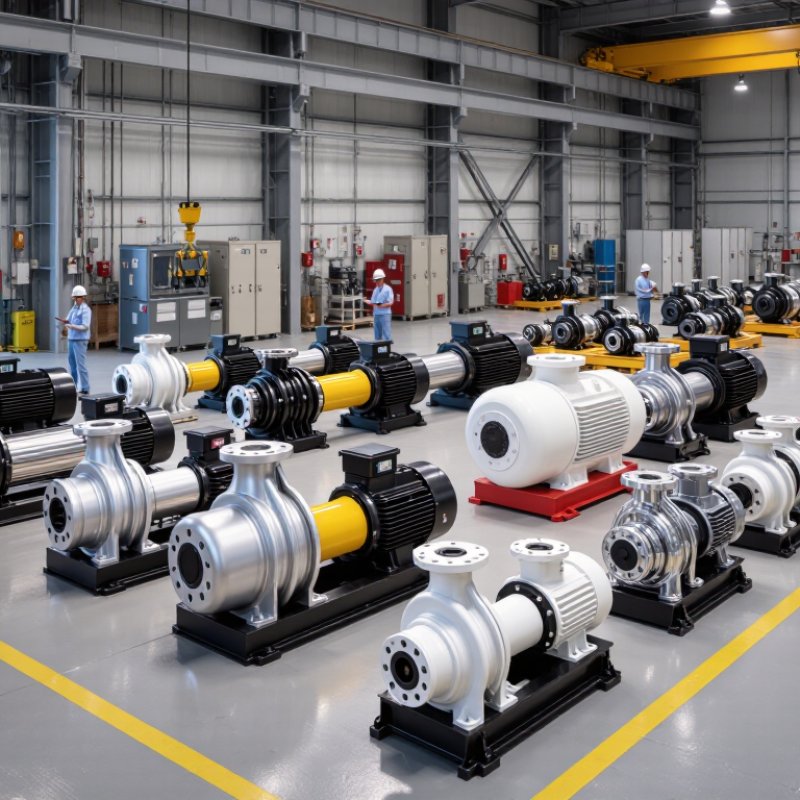
What Are the China Top 10 Magnetic Pump Suppliers?
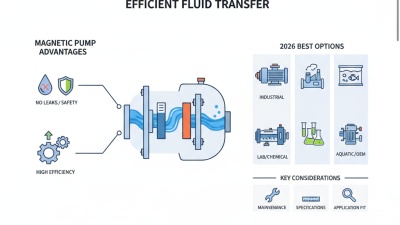
A magnetic pump transfers liquid without a conventional shaft seal. Its motor turns an outer magnet assembly. The magnetic field passes through a sealed containment shell. An inner magnet then rotates the impeller inside the pump chamber. This arrangement transfers torque without direct mechanical contact. It greatly reduces the chance of liquid escaping around a rotating shaft.
The principle is simple. The application is not. Magnetic pumps work well with corrosive, clean, or hazardous liquids that must remain contained. However, they usually dislike dry running, large solid particles, and excessive heat. A damaged containment shell can also stop the magnetic coupling. Careful material selection matters. Engineers should check fluid chemistry, temperature, viscosity, flow rate, pressure, and particle content before choosing a model.
When comparing leading Chinese suppliers, buyers should request performance curves, material certificates, pressure-test records, and clear maintenance instructions. Factory inspection can reveal useful details, including machining quality, assembly cleanliness, and spare-parts control. Ask how the supplier tests dry-run protection and motor overload response. Do not trust impressive catalog numbers alone. They may reflect ideal laboratory conditions. In actual plants, blocked suction lines and poor installation cause many failures. That lesson is easy to overlook. A reliable supplier should explain these limitations honestly, not promise a pump for every liquid.
The following comparison uses anonymous supplier profiles rather than company or brand names. Specifications are representative product-range values; the exact performance of a magnetic-drive pump depends on the selected model, liquid properties, temperature, system resistance, and operating conditions.
| Anonymous Supplier Profile | Common Pump Configuration | Typical Flow Range | Typical Head Range | Common Wetted Materials | Typical Temperature Range | Typical Applications | Key Selection Considerations |
|---|---|---|---|---|---|---|---|
| Supplier Profile 01 | Centrifugal, close-coupled magnetic-drive pump | 5–120 m³/h | 8–55 m | PP, PVDF, alumina or silicon-carbide containment components | −20 to 90°C | Acid transfer, plating lines, chemical circulation | Corrosion resistance, dry-run protection, required flow and head |
| Supplier Profile 02 | Small laboratory and OEM magnetic-drive pump | 0.5–20 L/min | 2–18 m | PTFE, PPS, PEEK, ceramic and stainless-steel options | 0–80°C | Analyzers, laboratory equipment, dosing skids | Low pulsation, compact size, chemical compatibility |
| Supplier Profile 03 | Industrial stainless-steel centrifugal magnetic pump | 10–250 m³/h | 12–75 m | 316L stainless steel, carbon graphite, silicon carbide | −20 to 150°C | Solvents, solvents recovery, process-fluid circulation | Vapor pressure, temperature rating, motor service factor |
| Supplier Profile 04 | High-purity sanitary magnetic-drive pump | 1–80 m³/h | 5–40 m | Electropolished 316L stainless steel, PTFE, ceramic | 0–120°C | Pharmaceutical water, biotechnology, food-process liquids | Surface finish, cleanability, hygienic connection design |
| Supplier Profile 05 | Fluoropolymer-lined magnetic-drive pump | 2–100 m³/h | 8–50 m | PTFE or ETFE lining with metallic structural housing | −20 to 120°C | Highly corrosive acids, alkalis, oxidizing chemicals | Lining integrity, permeation resistance, chemical concentration |
| Supplier Profile 06 | Self-priming magnetic-drive process pump | 5–70 m³/h | 6–35 m | PP, PVDF, 316L stainless steel, ceramic bearings | 0–90°C | Tank unloading, intermittent transfer, filtration systems | Priming height, suction-line design, gas-handling capability |
| Supplier Profile 07 | High-temperature magnetic-drive pump | 3–150 m³/h | 10–65 m | 316L stainless steel, graphite, silicon carbide | 100–250°C | Thermal fluids, hot oils, high-temperature process liquids | Cooling arrangement, bearing lubrication, thermal expansion |
| Supplier Profile 08 | Low-flow, high-head magnetic-drive pump | 0.2–12 m³/h | 25–120 m | 316L stainless steel, ceramic, PTFE and silicon carbide | −20 to 100°C | High-pressure circulation, sampling and precision transfer | Motor power, minimum continuous flow, heat generation |
| Supplier Profile 09 | Heavy-duty magnetic-drive pump for continuous service | 20–400 m³/h | 15–90 m | Ductile iron or stainless-steel housing, SiC or carbon bearings | −10 to 140°C | Large chemical plants, cooling loops, bulk liquid transfer | Continuous-duty rating, bearing life, vibration and maintenance access |
| Supplier Profile 10 | Explosion-protected magnetic-drive process pump | 5–180 m³/h | 10–70 m | 316L stainless steel, conductive polymers, ceramic components | −20 to 120°C | Flammable solvents, petrochemical and hazardous-area service | Area classification, motor protection, grounding and temperature limits |
China’s magnetic pump suppliers offer more than competitive pricing. They provide manufacturing scale, flexible engineering, and faster customization for demanding process systems. Grand View Research’s 2024 analysis estimates the global magnetic drive pump market will grow at about 6% annually through 2030. This expansion reflects stronger demand for leak-free fluid transfer in chemical, pharmaceutical, water-treatment, and semiconductor facilities.
The cheapest quotation can be a trap. Experienced buyers should compare material certificates, hydraulic curves, factory test records, and spare-parts availability. Many Chinese suppliers can adjust impeller geometry, lining materials, voltage, and connection standards for specific operating conditions. Mordor Intelligence’s 2024 chemical pumps report also forecasts steady market growth, supported by industrial automation and stricter process-control requirements. That matters for long-term sourcing.
A useful factory audit should examine assembly cleanliness, magnet-coupling balance, dry-run protection, and pressure testing. Ask for measurable data, not polished brochures. Remote inspection helps, but it cannot replace sample testing. I would request a pilot unit before approving a large order. Even strong suppliers may communicate specifications imperfectly across languages and time zones. Clear drawings and signed performance limits reduce that risk. China is not automatically the best choice for every project, but its supplier network can offer practical value when engineering verification remains part of the purchasing decision.
Selecting China’s top 10 magnetic pump suppliers requires more than counting online listings or factory size. The evaluation begins with verified manufacturing experience, product engineering, and quality control records. Suppliers should provide clear data for flow rate, pressure head, temperature range, materials, and motor efficiency. Technical drawings matter. So do test reports.
Factory audits add practical evidence. Reviewers can inspect assembly areas, magnetic coupling tests, leak checks, and spare-parts storage. They should also examine whether workers follow documented procedures. Certifications support credibility, but certificates alone cannot prove reliable performance. A pump still needs testing under realistic operating conditions, including continuous running, frequent starts, and exposure to corrosive liquids.
Commercial reliability receives equal attention. Selection may consider delivery consistency, engineering response time, warranty terms, installation guidance, and after-sales support. Export experience can reveal how suppliers handle packaging, documentation, and different voltage requirements. Customer feedback is useful when it includes specific details, such as service life, replacement time, and operating conditions.
The scoring model should remain transparent. For example, product quality may receive 30 percent, technical capability 25 percent, service 20 percent, production capacity 15 percent, and business stability 10 percent. These weights are practical, not perfect. Public information can be incomplete, and some smaller factories may lack polished websites. Independent sampling and repeated checks reduce that weakness. Rankings should be reviewed regularly because equipment, staff, and production systems can change.
Identifying the China top 10 magnetic pump suppliers requires more than counting factory websites. No single public report provides a fully verified ranking. Industry reviews from Research and Markets describe Asia-Pacific as the largest regional market for magnetic-drive pumps, supported by chemical processing, water treatment, and electronics manufacturing. Grand View Research also expects steady, mid-single-digit growth in this product segment through 2030. These findings support China’s importance, but they do not prove every supplier’s quality.
A practical top-ten shortlist should include manufacturers with audited production, documented testing, and export experience. The strongest candidates usually provide fluoroplastic or stainless-steel pumps, dry-run protection, leak-free magnetic coupling, and chemical compatibility charts. Look for ISO 9001 certification, hydraulic performance curves, material certificates, and test records linked to actual serial numbers. Suppliers serving chemical plants, laboratories, plating lines, and high-purity water projects deserve closer review. Independent inspection matters.
Some rankings overvalue catalog size. That is a weakness. A supplier may offer hundreds of models but lack stable bearing life or responsive technical support. Buyers should compare flow, head, temperature limits, seal-free construction, spare-part availability, and documented failure rates. The best ten are therefore not simply the largest factories. They are the Chinese manufacturers that can repeatedly match operating data with field performance, while admitting limitations before the order is placed.
Comparison of the main technical and commercial criteria used to evaluate leading magnetic pump suppliers in China.
The chart uses a normalized 0–100 evaluation scale rather than company-specific sales or brand data. In magnetic pump sourcing, chemical compatibility, leak-free containment, operating range, customization capability, quality systems, and after-sales support are commonly used to compare qualified suppliers.
Choosing among China’s top 10 magnetic pump suppliers requires more than comparing quoted prices. Start with your process conditions: flow rate, discharge pressure, liquid temperature, viscosity, and chemical compatibility. Magnetic pumps can suffer damage during dry running, so ask how each supplier prevents it.
Start with evidence.
Request performance curves, material certificates, pressure-test records, and sample inspection reports. Check whether the quoted flow matches your actual operating point, not only the maximum rating. Ask about magnet strength, containment-shell materials, bearing life, and continuous operating limits. A supplier should explain these details clearly, using practical data rather than vague claims.
Visit the factory when possible. Observe assembly areas, testing equipment, spare-part storage, and traceability records. Confirm whether the company manufactures the pump or outsources key components. Contact comparable users and ask about leakage history, delivery accuracy, and technical support after installation. Compliance with your destination’s safety and electrical requirements also deserves written confirmation.
A useful comparison sheet can score engineering support, quality control, lead time, warranty terms, and total operating cost. Purchase price alone can mislead. A cheaper pump may consume more energy or require difficult maintenance. I would also request a trial unit for demanding liquids. No scorecard is perfect. Supplier promises sometimes change after payment, so keep specifications, acceptance criteria, and response times in the contract.