Sealless Pumps for a Safer and Greener World

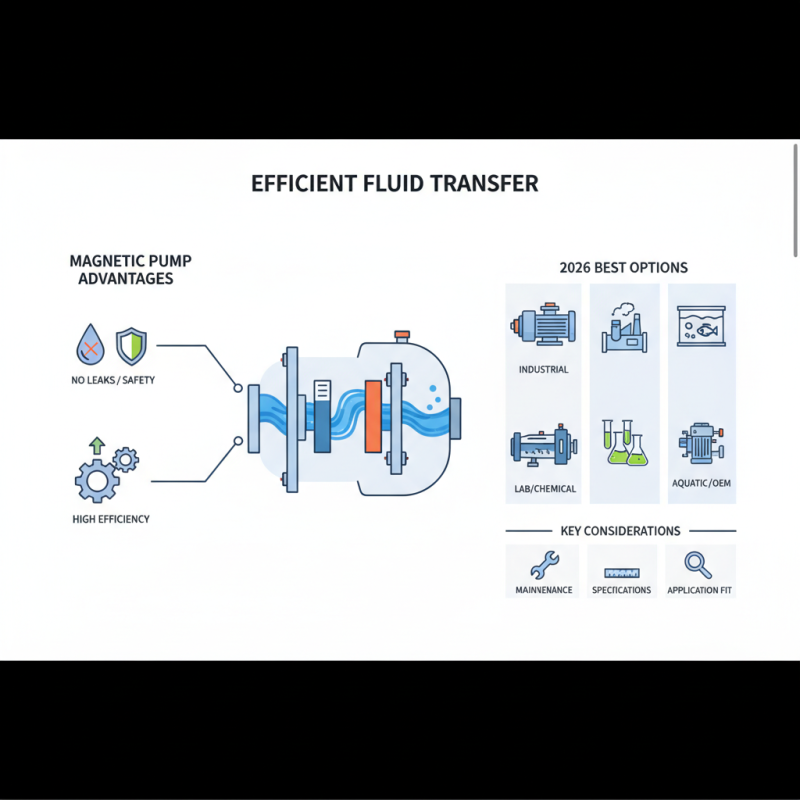
In the world of fluid transfer, choosing the right equipment is crucial. A magnetic pump stands out for its efficiency and safety. These pumps utilize magnetic fields to move fluids, eliminating the need for traditional seals. This unique design prevents leaks, which is essential for hazardous liquids.
However, not all magnetic pumps are created equal. There are various options available on the market, each featuring different specifications. It can be challenging to identify the best fit for specific applications. Understanding the features and limitations of each option is vital. Users often overlook maintenance aspects, which can affect performance.
Exploring the 2026 best magnetic pump options can provide clarity. We’ll delve into efficient choices that support different fluid transfer needs. The right selection can enhance operational efficiency and safety. Ultimately, investing time in research will yield better outcomes.
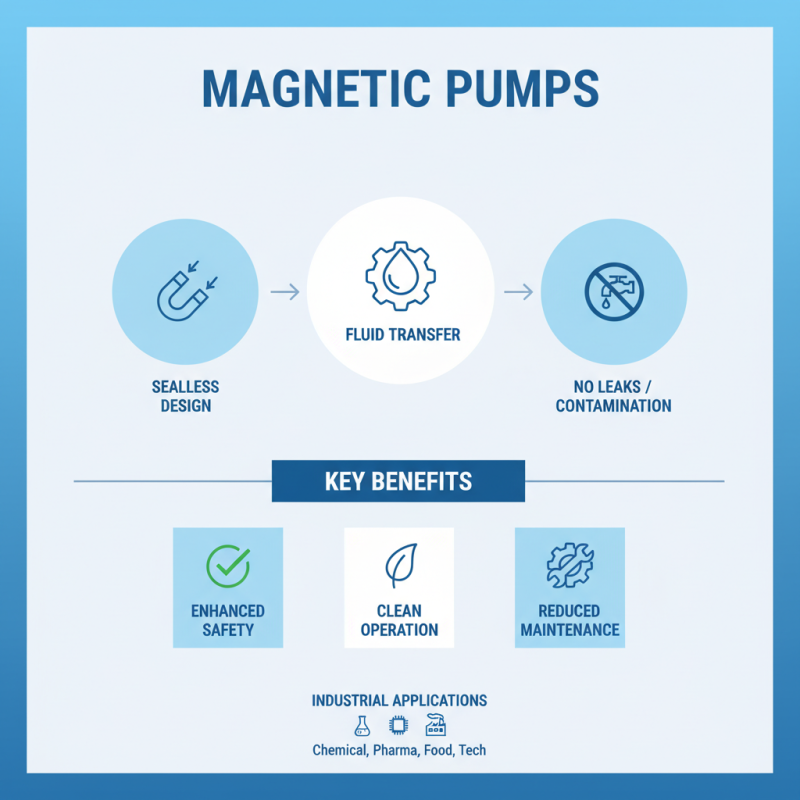
Magnetic pumps are gaining popularity in many industries. They offer a unique method of fluid transfer that eliminates traditional seals. This ensures less risk of leaks and contamination. The design relies on magnetic forces to operate the pump. It's a clean solution for transferring various fluids.
One significant benefit of magnetic pumps is their efficiency. They run quietly and consume less energy. This can lead to cost savings over time. However, there are drawbacks to consider. These pumps may not handle high-viscosity fluids well. Under certain conditions, managing heat buildup becomes challenging. Understanding these factors is crucial for optimal performance.
Maintenance is another area that requires attention. While magnetic pumps are generally low-maintenance, regular checks are necessary. Users must monitor the system for unusual noises or vibrations. Small changes sometimes indicate underlying issues. Overlooking these signs could lead to larger problems down the road.
When selecting a magnetic pump, efficiency is paramount. Key features play a significant role in fluid transfer performance. Look for pumps that utilize high-grade materials. Corrosion-resistant components enhance durability and reduce maintenance needs. According to a 2022 industry report, pumps that feature robust rotor designs can improve flow rates by up to 30%.
Another critical element is the seal configuration. Non-contact magnetic coupling minimizes leaks, promoting a safer work environment. An independent study found that leaks can account for over 15% of operational downtime in fluid systems. Therefore, magnetic pumps with superior sealing technology can lead to more efficient operations.
Consider the pump's energy consumption as well. Models with variable speed drives allow for tailored performance. This adaptability can yield energy savings of up to 25%, making the pump more cost-effective. It’s essential to analyze how these features align with your specific needs. A pump may have all the advanced specifications but may still fall short in practical applications. Hence, real-world testing is crucial before making a final decision.
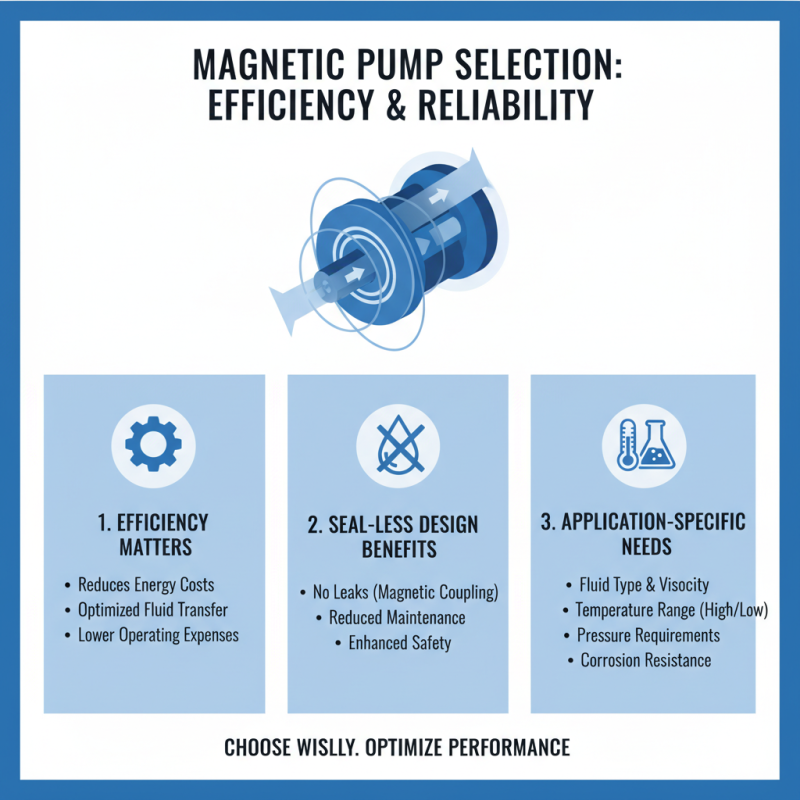
When selecting a magnetic pump, efficiency is key. These pumps utilize magnetic forces to move fluids. They are often preferred for their seal-less design, reducing leaks. You might think all models perform similarly, but that's not the case. Some excel in high-temperature environments, while others struggle. Understanding the specific needs of your application will guide your choice.
In 2026, there are several noteworthy designs to explore. Compact models are gaining popularity for tight spaces. Larger units are still important for industrial applications. Pay attention to the flow rate and pressure ratings. Improper matching of these specifications could lead to inefficiencies. Some models offer advanced control options, improving performance, but can be more complex to operate.
User feedback often highlights ease of maintenance as a crucial factor. A simple design may save time and hassle. But, don’t overlook potential drawbacks. Certain models can be pricey, which is a common concern. Balancing cost with functionality is essential. Frequent performance reviews after installation will help ensure the pump meets your standards.
Magnetic pumps are ideal for various applications. They work efficiently in chemical processing. These pumps prevent leakage, making them suitable for hazardous materials. In industries like pharmaceuticals, reliability is vital. Magnetic pumps minimize risks associated with spills. They provide a clean and safe transfer of fluids.
Another area for magnetic pump use is water treatment. These pumps handle corrosive fluids without worry. They maintain consistent flow and pressure levels. In the food and beverage sector, hygiene matters. Magnetic pumps can meet strict sanitation standards. Their design reduces contamination risks.
However, challenges exist. These pumps can be expensive upfront. Maintenance may require specialized knowledge. Not every situation benefits from magnetic pumps. Sometimes, traditional pumps may offer better solutions. Reflecting on these factors is essential for making informed decisions. Choosing the right pump depends on specific needs and conditions.
Magnetic pumps are essential in various applications, focusing on efficient fluid transfer. However, they require regular maintenance to perform at optimal levels. According to a report by the Fluid Handling Association, up to 30% of pump failures can be attributed to inadequate maintenance practices.
Inspecting the pump components frequently can significantly prevent issues. Ensure the magnetic coupling is free of wear and tear. Over time, corrosion can build on component surfaces, affecting performance. Cleaning these parts regularly can help maintain flow rates and reduce energy consumption.
Monitoring the temperature is equally crucial. Exceeding recommended limits can lead to failure. The ideal operating temperature for most magnetic pumps is below 70°C. A simple temperature check can prevent costly downtimes. Additionally, keeping an eye on vibration levels aids in identifying misalignments or wear. If unusual noises are detected, it’s time to troubleshoot. Remember, neglecting routine checks can lead to unexpected failures.
| Model | Flow Rate (GPM) | Max Head (Feet) | Power (HP) | Efficiency (%) | Materials | Application |
|---|---|---|---|---|---|---|
| Model A | 30 | 25 | 2 | 85 | PP/SS | Chemical Transfer |
| Model B | 45 | 30 | 3 | 90 | PVDF | Food Processing |
| Model C | 20 | 15 | 1.5 | 82 | Cast Iron | Water Transfer |
| Model D | 10 | 10 | 1 | 75 | Bronze | Swimming Pools |